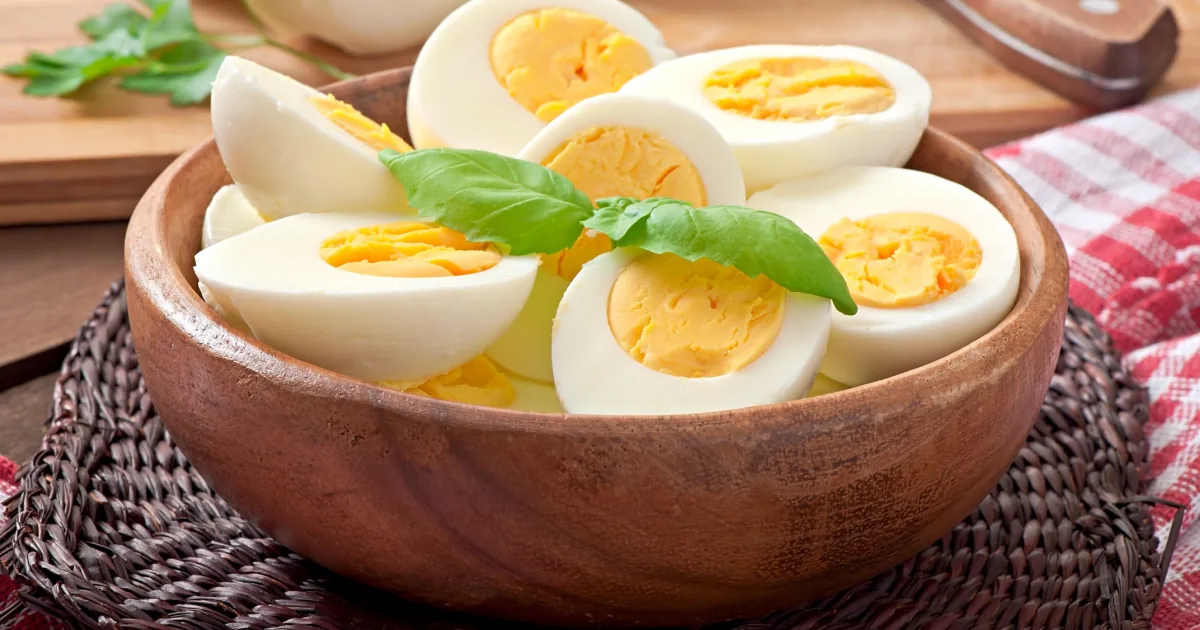
Hard-boiled eggs are an affordable, delicious source of protein and a versatile ingredient that fits into countless meals. Many people eat them regularly without knowing much about their history, nutritional value, or unique qualities. From sandwiches to picnic snacks, this popular food has more to offer than meets the eye. Here are 11 surprising facts about hard-boiled eggs and the lesser-known details behind this kitchen staple.
Fun Facts About Hard-Boiled Eggs
We often enjoy hard-boiled eggs without giving much thought to where they came from or what makes them special. Yet, beneath their simple appearance are plenty of interesting facts and hidden benefits. Let’s explore 11 things you may not know about hard-boiled eggs.
Fact 1: Americans Love Hard-Boiled Eggs
Research conducted by the food blog Pantry & Larder found that hard-boiled eggs were the most popular way to prepare eggs in America. According to the study, 30 of the 50 states preferred hard-boiled eggs over other cooking styles, highlighting their popularity across the country.
Fact 2: Hard-Boiled Eggs Provide Protein Quickly

Protein is an important nutrient that helps the body function properly, and hard-boiled eggs offer a convenient, portable way to get it. One large egg contains approximately 6.3 grams of protein and all nine essential amino acids, making it a complete protein source. Whether you need a snack before or after exercise or a nutritious breakfast on the go, hard-boiled eggs are a satisfying choice.
Fact 3: They May Also Benefit Your Heart
Contrary to the common belief that eggs are harmful to heart health, research published in 2018 suggested that regular egg consumption may be associated with a lower risk of heart disease. Eggs provide valuable nutrients, and some studies have linked their consumption with favorable cholesterol-related outcomes. However, the overall effects depend on a person’s diet and health, so eggs should be enjoyed as part of a balanced eating plan.
Fact 4: Boiled Eggs May Have Less Oxidized Cholesterol Than Fried Eggs
The cooking method can influence the nutritional characteristics of eggs. High-temperature cooking, such as frying, may increase cholesterol oxidation, while boiling generally involves less direct exposure to high heat. However, this does not automatically mean boiled eggs are better for everyone’s heart health, as the overall diet and cooking ingredients also matter.
Fact 5: There Are Plenty of Tricks for Peeling Hard-Boiled Eggs
Enjoy eating hard-boiled eggs but dislike removing their shells? Several techniques can make peeling easier. Some people crack the shell gently and peel the egg under running water, while others use different kitchen tools or cooling methods. Experimenting with these approaches can help you find a simple way to remove the shell without damaging the egg.
Fact 6: Peeling Difficulty Can Reveal How Fresh an Egg Is
Fresh eggs can be harder to peel because the egg white tends to cling to the membrane beneath the shell. As eggs age, changes in their internal chemistry can make the shell easier to separate after cooking. If you prefer eggs that peel more easily, using eggs that have been refrigerated for a week or two may help.
Fact 7: Their Shelf Life Is Shorter Than You Might Expect

Raw eggs can generally remain usable for several weeks when properly refrigerated. Hard-boiled eggs, however, have a shorter storage life. When kept in the refrigerator at a safe temperature, they should generally be eaten within one week. Proper refrigeration is important for maintaining their quality and safety.
Fact 8: People Have Enjoyed Boiled Eggs for Centuries

Hard-boiled eggs have a long history in human diets, with eggs being consumed in different forms across ancient cultures. They have served as standalone foods, garnishes, and ingredients in countless traditional dishes. Their continued popularity shows how a simple food can remain an important part of cuisines around the world.
Fact 9: Hard-Boiled Eggs Are Extremely Versatile
Hard-boiled eggs are delicious on their own, but they can also enhance many familiar dishes. They are commonly used in deviled eggs, Cobb salads, and egg salad sandwiches. Their texture and flavor make them a useful ingredient in everything from quick lunches to more elaborate meals.
Fact 10: You Can Experiment With Different Flavors
Traditional hard-boiled eggs are only the beginning. You can create different flavor combinations by adding herbs, spices, sauces, or seasonings after cooking. Some recipes also use flavored marinades to give peeled eggs a distinctive taste. With a little creativity, this everyday ingredient can become something new and exciting.
Fact 11: Hard-Boiled Eggs Can Be Used in Creative Recipes
Beyond serving them whole or adding them to salads, hard-boiled eggs can be incorporated into a wide variety of dishes. They can be filled with savory mixtures, sliced as garnishes, or mashed with other ingredients to prepare spreads and sandwich fillings. Their versatility makes them useful in many different types of cooking.
The Bottom Line
Hard-boiled eggs offer protein, versatility, and a fascinating place in food traditions. From their popularity in America to the science behind peeling them, these everyday foods have plenty of interesting qualities. Although their nutritional benefits depend partly on a person’s overall diet, they remain a convenient ingredient for countless meals. The next time you enjoy a hard-boiled egg, remember that this simple food has much more to offer than its familiar taste.