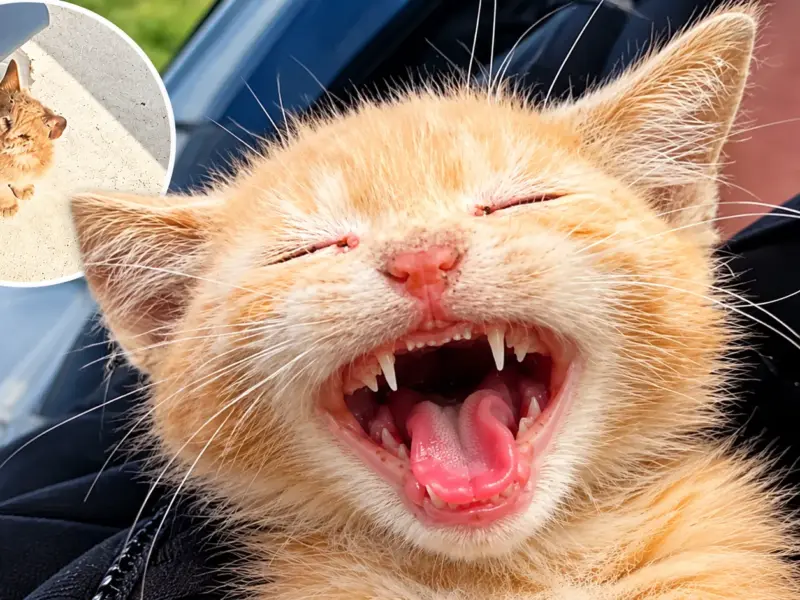

Why Cats Leave Home and Sometimes Never Return
Cats are loving and curious companions, but their independent nature sometimes leads them far beyond the safety of their homes. For families, a missing cat can bring sadness, fear, and countless unanswered questions. Why would a beloved pet leave, and what prevents it from returning? Understanding feline behavior can help owners recognize these risks and protect their furry friends.
Cats possess strong natural instincts that encourage them to explore their surroundings. Even when they receive plenty of food, affection, and comfortable shelter, they may wander through gardens, neighboring yards, and wooded areas. Their curiosity often leads them to investigate unfamiliar smells, sounds, and movements.

Territorial instincts also influence their behavior. Cats use familiar scents and environmental landmarks to navigate their surroundings. However, a sudden noise, an aggressive animal, or an unexpected disturbance may frighten them into running farther than usual. Once separated from familiar territory, a frightened cat may become disoriented and hide in a nearby garage, shed, or secluded corner.
Reproductive instincts can also contribute to wandering. Cats that have not been spayed or neutered may travel considerable distances while searching for mates. Unneutered males, in particular, may roam while defending territory or competing with other cats. These journeys can expose them to traffic, unfamiliar animals, and other outdoor dangers.

Changes inside the home may create another reason for a cat to leave. Moving houses, introducing a new pet, welcoming a baby, or making loud renovations can cause anxiety. Because cats often depend on predictable routines, these disruptions may encourage them to seek a quieter environment. Providing a peaceful hiding place and maintaining consistent daily habits can help reduce stress.
When a cat disappears, owners should search nearby hiding places and ask neighbors to check garages, sheds, and enclosed spaces. Contacting animal shelters, veterinary clinics, and local rescue organizations can also improve the chances of finding the missing pet. Sharing recent photographs and ensuring microchip information is current may help others identify the animal.
Preventing disappearances is equally important. Secure windows, enclosed outdoor spaces, identification collars, and microchips can provide additional protection. Spaying or neutering may also reduce mating-related roaming.

Ultimately, cats do not necessarily leave because they no longer love their families. Their behavior is often driven by instinct, curiosity, and fear. With patience, responsible care, and a safe home environment, owners can help protect the special bond they share with their beloved companions.