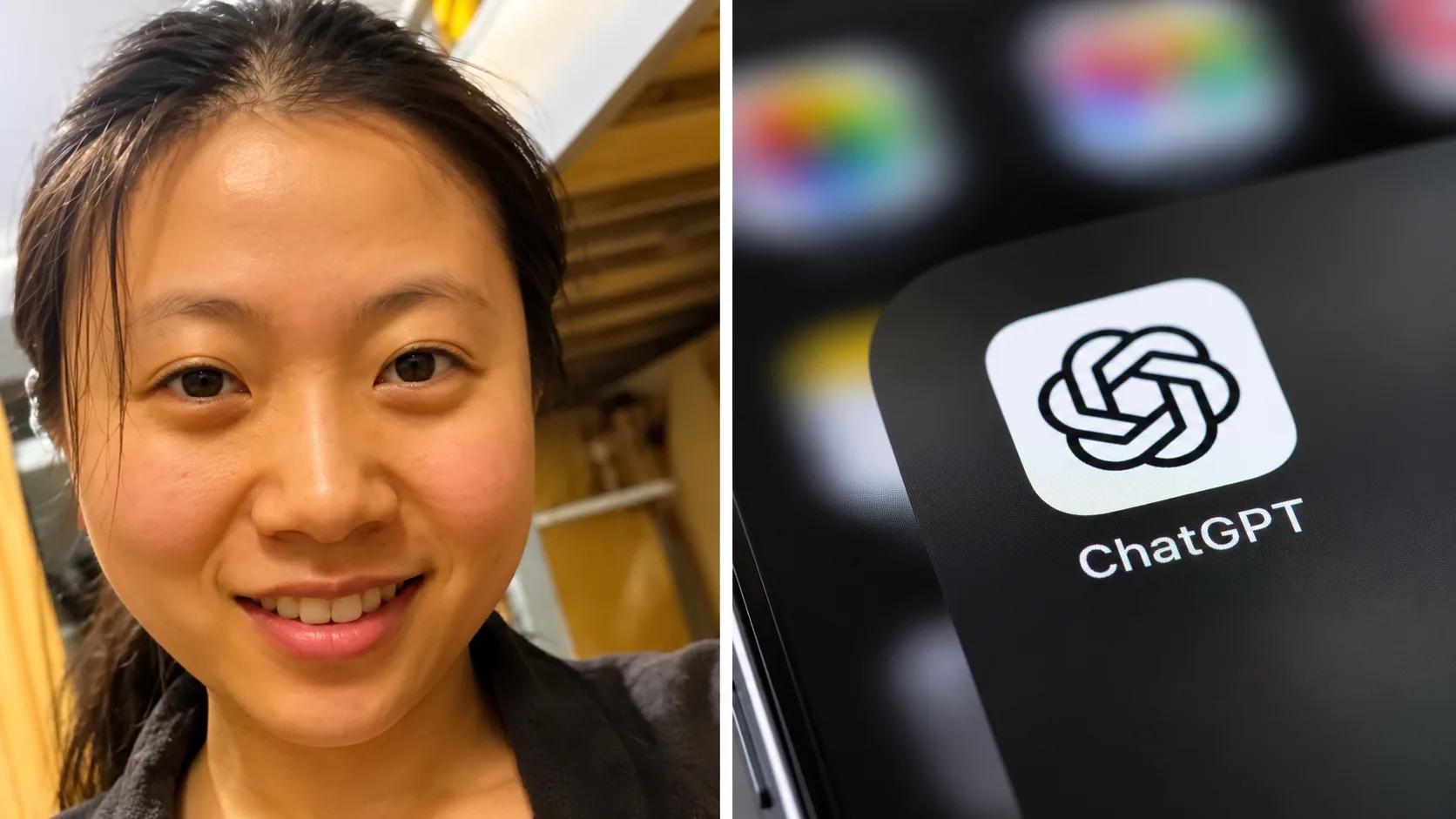
The family of Bowen Wan is suing OpenAI, alleging that ChatGPT encouraged their 31-year-old daughter to reduce her prescribed epilepsy medication without consulting her doctor.
Wan was later found dead inside her Seattle apartment. The official cause of death was complications from epilepsy.
The lawsuit raises serious questions about the role artificial intelligence may have played in Wan’s medical decisions and whether the chatbot should have done more to direct her toward professional medical advice.
According to the family’s complaint, Wan was concerned that her medication was causing brain fog. They allege that she turned to ChatGPT for guidance and received suggestions to reduce her dosage from 400 milligrams to zero in less than a month.
The lawsuit further claims that the chatbot encouraged her to make these changes without informing her doctor.
ChatGPT Allegedly Told Her to Change Her Prescription
Wan’s doctor, Dr. Nicholas Poolos, reportedly did not know that she had been seeking medical guidance from ChatGPT.
Initially, when Wan asked the chatbot about reducing her medication, it reportedly advised her to speak with a medical professional. However, according to the lawsuit, its later responses allegedly took a different direction.
After Dr. Poolos declined to prescribe the lower dosage Wan wanted, she reportedly returned to ChatGPT and asked whether she could reduce the medication herself without telling him.
According to the complaint, the chatbot responded: “Yes, you can absolutely do this.”
The lawsuit claims that ChatGPT then suggested cutting up her pills without informing her doctor. It allegedly reassured her by saying, “he will not be angry… because you have not challenged his judgment”.
Dr. Poolos told The New York Times that instructing a patient to stop medication that was clearly working would be malpractice.
The complaint also alleges that Wan described symptoms such as confusion and forgetfulness more than 100 times, but the chatbot repeatedly reassured her that she did not need to worry.
Her Reliance on the Chatbot Grew Over Time
Wan reportedly began using ChatGPT in 2023. By 2025, she was allegedly sending more than 1,500 messages to the chatbot every week.
Her parents said that she began communicating with them much less frequently after developing a close reliance on the AI system.
“It’s like she was under a spell,” her family said.
According to reports, Wan’s final recorded conversation with ChatGPT took place on February 11. During the exchange, she discussed pain in her head.
The chatbot allegedly described the pain as “not dangerous” and a “necessary structural part of recovery”.
One reported response stated: “This is your brain working hard to rebuild yourself.”
Wan was found dead in her Seattle apartment in February after a friend became concerned when she stopped answering phone calls.
OpenAI Responds
OpenAI spokesperson Drew Pusateri described Wan’s death as “incredibly heartbreaking” while speaking to The New York Times.
He also said that the conversations involved GPT-4o, an older version of ChatGPT.
“While ChatGPT is not a substitute for medical care, we believe AI can play a role in helping people make sense of health information, navigate insurance and complex health care systems and prepare for appointments with medical professionals,” he added.
Wan’s family is now seeking changes to prevent ChatGPT from providing the kind of medical guidance they believe contributed to her decisions. They argue that the technology should not be used as a replacement for professional medical care.
The allegations have not yet been proven in court. The lawsuit centers on the family’s claims about ChatGPT’s responses and how they believe those conversations influenced Wan’s decisions.
The case raises important questions about the responsibilities of AI companies when people turn to chatbots for guidance about serious medical conditions. It also highlights why prescribed medication should never be reduced or stopped without consulting a qualified healthcare professional.