An Ordinary Dog Walk Led to a Strange Discovery at Home
Sometimes, a routine walk with a family dog can turn into an unexpected mystery. What begins as an ordinary outing can quickly become surprising when an owner notices something unusual attached to their pet’s fur.
That was exactly what happened in this personal account. After returning from a walk, a woman brought the couple’s dog home. But as soon as her partner saw the animal, he noticed something strange clinging to its coat.
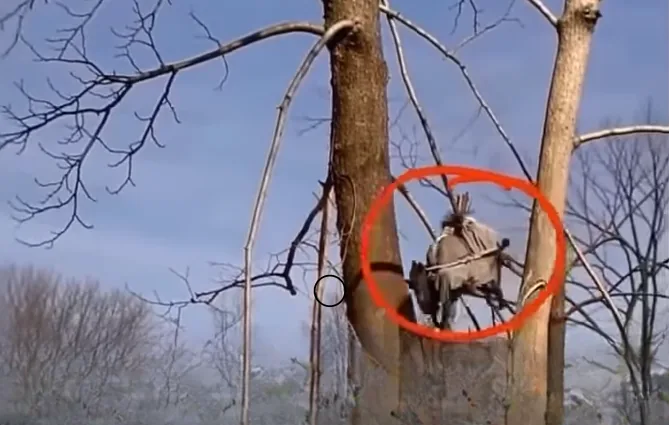
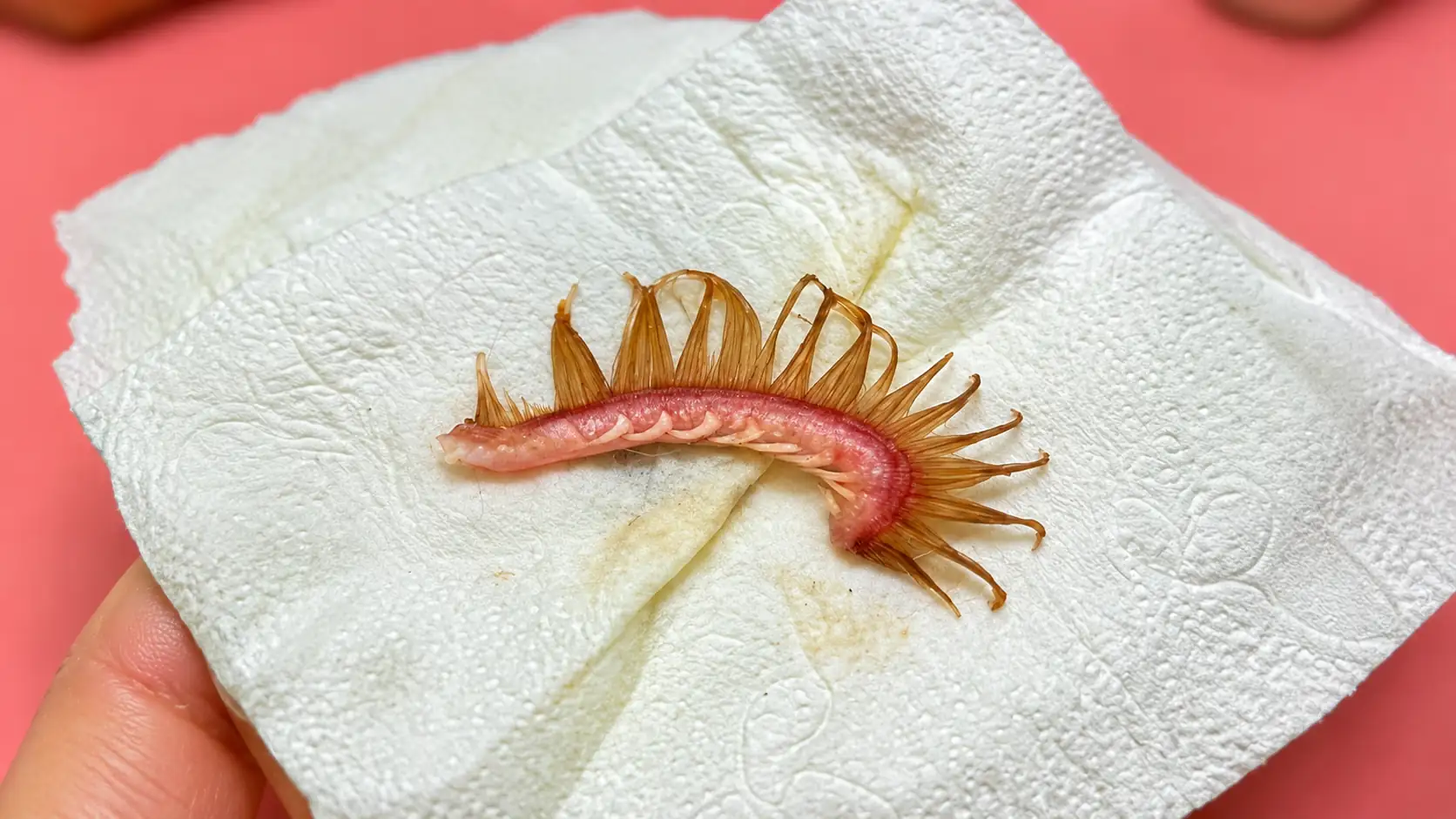
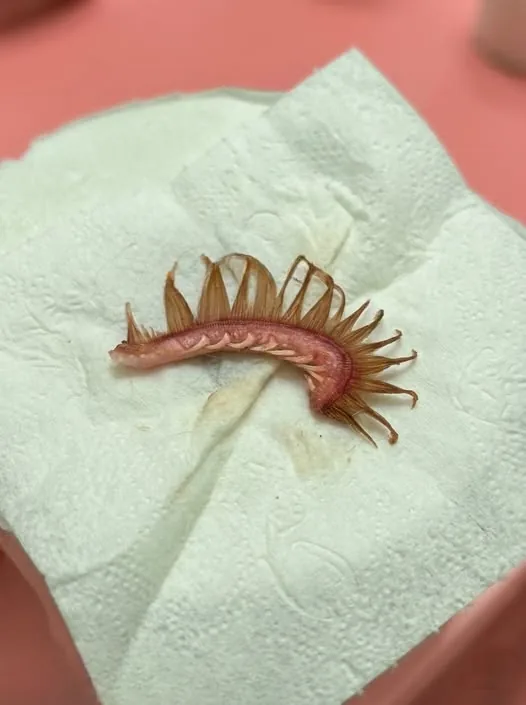
At first, he couldn’t identify what he was looking at. There was a small shape attached to the dog’s fur, and the way it appeared to move made the discovery even more confusing.
Something Looked Different After the Walk
The walk had seemed completely normal. The dog had spent time outdoors, explored its surroundings and returned home with its owner. Nothing suggested that anything unusual had happened.
But when the woman entered the house, her partner noticed something unfamiliar on the dog’s coat.
It didn’t look like an ordinary leaf or piece of dirt. He couldn’t immediately work out what it was, so he took a closer look.
Dogs often collect things while exploring outside. Grass seeds, twigs, burrs, insects and other small objects can become trapped in their fur. Depending on where they walk, they may also encounter ticks or other parasites.
Without identifying the object, however, there was no way to know whether it was harmless debris or something that needed attention.
Taking a Closer Look
Finding something unexpected on a pet can be unsettling, especially when it appears to move.
The dog’s owner was surprised by the unusual sight. His mind began considering different possibilities, even though he didn’t yet have enough information to understand what was attached to the animal.
In situations like this, staying calm and examining the object carefully is important.
Some unusual-looking shapes are simply pieces of vegetation tangled in long fur. Others may be insects or parasites that require proper removal.
Pulling at an unidentified object can sometimes hurt the animal or damage its skin. If something appears firmly attached, embedded or difficult to identify, seeking veterinary advice is a safer approach.
What Dogs Can Pick Up Outdoors
Even a short walk can expose a dog’s coat to many different materials. Dogs with longer fur or those that enjoy exploring grassy areas and bushes may be especially likely to bring something home.
Some common possibilities include:
Burrs and seeds: These small plant materials can cling tightly to fur, particularly around the legs, ears and tail.
Twigs and leaves: Small pieces of vegetation can become tangled in a dog’s coat while it explores bushes or tall grass.
Ticks: These parasites can attach themselves to a dog’s skin after outdoor exposure and may be difficult to notice beneath thick fur.
Other insects: Insects can land on an animal or become trapped in its coat during a walk.
Unfamiliar debris: Mud, plant fibers and other outdoor materials can form unusual shapes when tangled together.
These are possible explanations for unusual objects found on dogs, not confirmed explanations for the discovery in this particular account.
Why Checking Your Dog After a Walk Matters
A quick inspection after outdoor activities can help owners notice small problems before they become uncomfortable for their pets.
It is worth checking the dog’s entire coat, paying particular attention to areas where debris and parasites can hide. These include the spaces between the toes, around the ears, beneath the collar and under the legs.
Loose plant material can often be removed gently using your fingers or a suitable grooming tool. However, owners should avoid pulling forcefully at anything tangled close to the skin.
Ticks need more careful handling. They should be removed using an appropriate tick-removal tool or fine-tipped tweezers, following reliable veterinary instructions.
If an object is difficult to identify, appears embedded or causes discomfort, a veterinarian can help determine the safest way to handle it.
When an Unexpected Finding Needs Professional Attention
Not every strange object found on a dog’s coat is dangerous. However, some signs should never be ignored.
An object attached directly to the skin, swelling, an underlying wound or persistent discomfort may require veterinary attention.
Owners should also watch for unusual behavior, including excessive scratching, repeated licking or tenderness in a particular area.
If a dog experiences severe symptoms such as difficulty breathing or collapse, emergency veterinary care is necessary.
It is also important to avoid applying household chemicals, insecticides or unfamiliar products to an animal in an attempt to remove something unidentified. Certain substances can irritate the skin or become harmful if the dog licks them.
When there is uncertainty, taking a photograph and contacting a veterinary clinic can help owners decide what to do next.
How an Ordinary Moment Becomes a Memorable Story
What makes this account interesting is how quickly an ordinary walk turned into an unexpected mystery.
The woman had simply taken the family dog outside. Yet one observation by her partner after they returned home changed the entire mood of the evening.
Moments like these can catch pet owners completely off guard. Something familiar suddenly looks unusual, and the mind immediately begins searching for an explanation.
The most useful response, however, is to examine the situation carefully rather than assume the worst.
What exactly is attached to the dog’s coat? Is it causing discomfort? Can it be removed safely? Does the animal need veterinary attention?
These are the questions that matter most.
A Reminder for Pet Owners
Walking is an important part of many dogs’ daily routines. It provides exercise, stimulation and opportunities to explore the world around them.
Taking a few minutes to check a pet after each outing can help keep it comfortable and healthy.
Inspecting the coat, cleaning muddy paws and looking for ticks or tangled vegetation are simple habits that can make a difference. They also give owners an opportunity to notice unusual changes in their pet’s skin or behavior.
The original account begins with a mysterious object discovered on a dog after a walk, but it does not reveal what the object eventually turned out to be. Without that missing information, identifying it as a particular insect, parasite or other object would be speculation.
Still, the situation offers a useful reminder: when something unusual appears on a family pet, remain calm, take a closer look and seek professional help if necessary.
Sometimes, the best way to handle a surprising discovery is simply to make sure the animal is safe before jumping to conclusions.