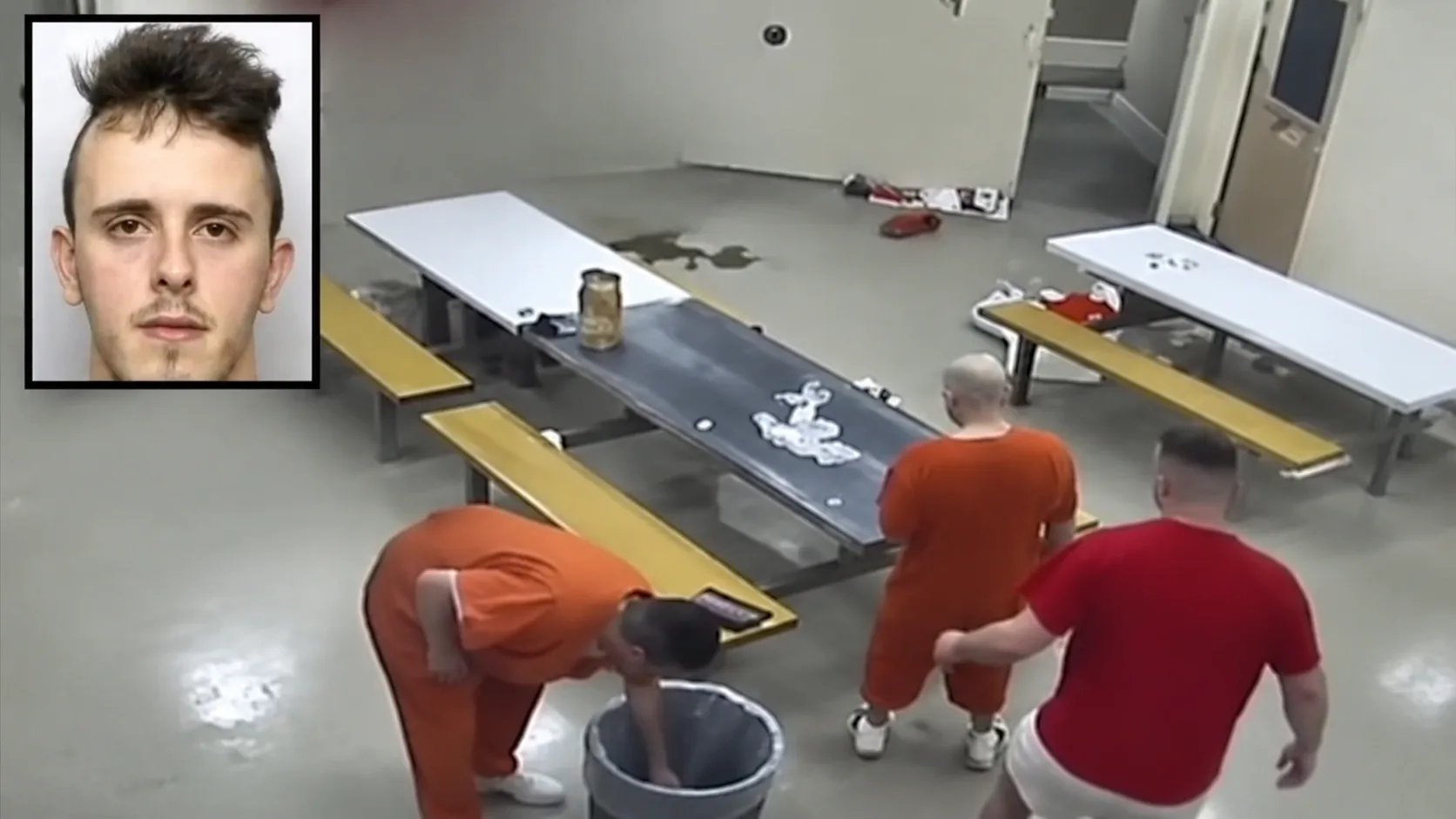
The death of a newborn is always a heartbreaking event, particularly when it leads to a criminal investigation and a murder conviction. The case involving Liam Deane, a young father from West Yorkshire, England, drew widespread attention in 2017 following the death of his two-day-old daughter, Luna, and the events that unfolded after he was taken into custody.
The case raised serious concerns about protecting vulnerable children, the responsibilities of caregivers, and the role of the justice system when an infant suffers fatal injuries. It attracted further attention when Deane died in prison just weeks after his conviction.
Although the circumstances are deeply distressing, understanding the case requires a careful look at the established facts, court proceedings, and wider issues surrounding child protection. Above all, the story should be approached with respect for Luna and her family.
The Death of Newborn Luna
In 2017, authorities in Wakefield, West Yorkshire, began investigating the death of Luna Deane, who was only two days old. Her father, Liam Deane, was 22 at the time and later admitted responsibility for her death.
Losing a newborn is devastating for any family. The first days of a child’s life are usually filled with care, adjustment, and the beginning of family bonds. When that time ends in a fatal incident, the impact can be profound for parents, relatives, and everyone close to the child.
Newborn babies depend entirely on adults for their safety and basic needs. For this reason, cases involving serious injuries to infants require urgent attention. Medical professionals must assess the child, while police and other authorities investigate how the injuries happened and whether a crime has occurred.
In Luna’s case, the investigation led to criminal proceedings against her father. Deane pleaded guilty to her murder, accepting legal responsibility for her death.
His guilty plea established his responsibility for the crime and moved the case from the investigation stage to sentencing and the legal consequences imposed by the court.
The Court Proceedings and Life Sentence
Following the investigation, Deane appeared at Leeds Crown Court, where he admitted murdering his daughter. The court heard that Luna had suffered catastrophic brain injuries along with other serious injuries.
Contemporary reports stated that Deane had attacked the infant after becoming frustrated by her continued crying. The court heard evidence about the injuries and the events that led to the baby’s hospitalization and eventual death.
The guilty plea meant that a full trial was not needed to establish his responsibility for the murder. The court then considered the appropriate punishment under the law.
In October 2017, Deane was sentenced to life imprisonment, with a minimum term of 10 years before he could be considered for release. A life sentence carries serious consequences, and the minimum term sets the period that must be served before release can be considered. Reaching that point does not automatically mean a prisoner will be released.
The sentence reflected the seriousness of the crime and the extreme vulnerability of the victim. A newborn cannot explain what has happened, seek help independently, or protect herself from an adult responsible for her care. The case highlighted the enormous responsibility caregivers have to keep infants safe.
For Luna’s family, however, the court’s decision could never undo their loss. Legal proceedings can establish responsibility and impose punishment, but they cannot take away the grief caused by a child’s death.
The Impact on Luna’s Family
The death of a child can leave lasting emotional effects on parents and relatives. When a death involves a criminal act, grief may also be accompanied by anger, disbelief, confusion, and the struggle to understand how such a tragedy could happen.
Reports from the sentencing described the emotional impact on Luna’s mother, who had seen her daughter receiving intensive medical treatment before the infant died.
Every family member may respond to such a tragedy differently. Some people choose to speak publicly about their experiences, while others prefer to remain private. Grief has no fixed timetable, and continued media attention can make an already painful experience even harder.
Cases involving children often receive extensive coverage because of their distressing circumstances. However, the families most directly affected have little control over how long the story remains in the public eye or how frequently its details are repeated.
Responsible reporting should avoid unnecessary speculation about relatives and focus instead on the confirmed information that helps readers understand the case and its wider significance.
Deane’s Death in Prison
The case took another turn in November 2017, when Deane was found dead inside his cell at HMP Leeds, only weeks after receiving his life sentence.
According to later reports, another prisoner, John Westland, was charged in connection with his death. Westland was subsequently convicted of murdering Deane.
The second death brought renewed attention to safety inside prisons. People serving custodial sentences remain under the authority of the state, which has a responsibility to manage their detention and take reasonable steps to protect them from foreseeable harm.
That responsibility continues even when a prisoner has been convicted of a serious crime. Imprisonment restricts a person’s freedom, but it does not remove their right to lawful treatment and basic protection against violence.
Deane’s death also brought another loss for his family. Regardless of the seriousness of his original crime, his death meant that his relatives faced a separate tragedy while the case surrounding Luna remained a painful part of public memory.
The events show how one criminal case can involve different victims and families, each affected in their own way.
The Proceedings Against John Westland
The investigation into Deane’s death led to criminal proceedings against Westland. In August 2018, Westland received a life sentence after being found guilty of murdering his cellmate.
Reports of the sentencing stated that the court heard evidence about the attack and the circumstances surrounding Deane’s death. Westland was ordered to serve a minimum term of 19 years.
This conviction was entirely separate from Deane’s earlier murder conviction. The two cases involved different victims, separate crimes, and independent court proceedings.
That distinction matters because the original offence and the later prison killing were not the same event. Luna was the victim in the case for which Deane was sentenced, while Deane became the victim in the subsequent murder case.
Westland’s prosecution also reinforced an important principle of criminal justice: people accused or convicted of crimes remain protected by the law. Violence against a prisoner cannot be justified simply because that person has committed a serious offence.
Prison Safety and the Duty of Care
Prisons have several important responsibilities. They must maintain order, protect staff and prisoners, prevent violence, and enforce the sentences imposed by courts.
Managing these responsibilities can be challenging because of overcrowding, staffing pressures, disagreements between prisoners, and the need to assess individual risks. Circumstances vary between institutions, and the occurrence of a violent incident does not automatically prove that every relevant safety measure was ignored.
When someone dies in custody, the circumstances must be properly investigated. Depending on the case, this may involve police inquiries, criminal proceedings, and independent examination of the events surrounding the death.
Such investigations aim to establish what happened, determine whether a crime was committed, and identify any lessons that could help prevent similar incidents in the future.
In Deane’s case, Westland’s conviction established his criminal responsibility for the prison murder. Wider questions about prison management and safety must be examined separately, based on relevant official findings rather than assumptions.
Why the Case Continued to Attract Public Attention
Several factors helped keep the Liam Deane case in the public eye.
First, Luna’s extremely young age made the original crime particularly distressing. Newborn babies depend completely on adults for their basic needs and protection. A case involving the death of such a young child naturally raises questions about safeguarding and the responsibilities of caregivers.
Second, Deane’s guilty plea and life sentence brought the case into the public record through formal court proceedings. Information reported during sentencing helped explain the seriousness of the crime and its legal consequences.
Third, Deane’s death in prison resulted in another criminal case. The fact that a person serving a life sentence was later murdered by another prisoner made the story more complicated and renewed public discussion about safety in custody.
However, public interest should never become an excuse to sensationalize these events. The seriousness of the case can be explained without graphic descriptions, exaggerated headlines, or speculation about those involved.
A balanced account helps readers understand the legal history while keeping the victims and their families at the center of the story.
Protecting Newborns and Recognizing Caregiver Stress
Although the specific circumstances surrounding Luna’s death should not be applied to other families, the case provides an opportunity to discuss infant safety.
Newborn babies cry for many different reasons. They may be hungry, tired, uncomfortable, overstimulated, or simply need attention. Crying is one of the main ways infants communicate, and it can sometimes continue even after a caregiver has tried several reasonable ways to comfort them.
Looking after a newborn can be exhausting, particularly when parents are dealing with sleep deprivation or have limited support. Stress does not make harming a child acceptable, but understanding the demands of early caregiving helps show why practical support and clear safety guidance are important.
Caregivers who feel overwhelmed should place the baby safely on their back in an appropriate, empty crib or bassinet and step away briefly to regain their composure, ensuring the infant remains in a safe environment. They can also contact a trusted person or healthcare professional for help.
A baby should never be shaken, struck, squeezed forcefully, or handled roughly. If a newborn suffers an injury or shows signs of a medical emergency, immediate medical assistance is essential.
Family members and healthcare professionals can help new parents understand normal infant crying, safe ways to soothe a baby, and when to seek medical advice. Support can be especially valuable for parents experiencing exhaustion, anxiety, or difficulties adjusting to newborn care.
These general precautions cannot explain or reverse what happened to Luna, but they demonstrate why prevention, education, and family support are so important.
The Importance of Accurate Reporting

Cases involving the deaths of children can trigger strong emotional reactions. This makes it particularly important for publishers to distinguish confirmed court findings from allegations, speculation, and personal commentary.
Responsible reporting should clearly explain the legal outcome, avoid presenting unsupported claims as facts, and treat everyone affected with dignity. A child’s death should never be used simply as a way to attract attention.
In this case, the central facts were documented in contemporary reporting: Deane pleaded guilty to murdering his two-day-old daughter, received a life sentence with a minimum term of 10 years, and died in prison in November 2017. Westland was later convicted of murdering Deane and received a life sentence with a minimum term of 19 years.
These events are serious enough to be reported accurately without adding unnecessary details or exaggeration.
Readers should also be careful when encountering social media posts that repeat older cases without providing dates or context. A story shared years later can appear to describe a recent event, even when the original incident and court proceedings happened long ago.
Including the year and clearly explaining the sequence of events helps prevent confusion.
Remembering the Victims Beyond the Headlines
In widely reported criminal cases, the defendant’s name often becomes the main focus. But in this story, Luna was the child who lost her life, and her death was at the center of the original court proceedings.
Remembering the victim means recognizing the human impact of the case rather than allowing the story to become only about the offender and his later fate.
It also means treating surviving relatives with sensitivity. They may continue to encounter the case through news archives, social media posts, and articles published long after the court proceedings have ended.
Readers can approach the story thoughtfully by understanding the legal facts and discussing wider issues without repeating unnecessary details or making assumptions about private family experiences.
Conclusion
The Liam Deane case began with the death of his two-day-old daughter, Luna, in West Yorkshire in 2017. Deane pleaded guilty to her murder and was sentenced to life imprisonment. Just weeks later, he was found dead in prison, and another prisoner, John Westland, was subsequently convicted of murdering him.
The case involved two separate deaths, two criminal proceedings, and families affected by profound loss. It also raised important questions about protecting infants, the responsibilities of caregivers, and the duty to maintain safety inside prisons.
Although the facts are deeply distressing, they deserve to be presented accurately and respectfully. Luna’s death should not be reduced to a sensational headline, while the later prison killing should be recognized as a separate crime with its own legal consequences.
Ultimately, the case serves as a sobering reminder of the importance of protecting vulnerable children, investigating serious crimes fairly, and ensuring that the law continues to protect everyone in custody. It also highlights the need to treat families affected by tragedy with dignity, compassion, and respect for their privacy.