11 Heartbreaking Signs Your Cat May Be Nearing the End — What Every Loving Owner Should Know
Watching a beloved cat grow older is an emotional journey filled with love, memories, and difficult moments. The playful kitten who once chased shadows may gradually become quieter, sleep longer, and show changes that leave owners wondering what is happening.
For many families, cats are cherished companions rather than simply pets. Recognizing changes in their health and behavior can help owners provide comfort, appropriate care, and veterinary support when needed.
Although no single symptom confirms that a cat is approaching the end of life, several changes may indicate declining health.
1. Increased Hiding
Cats naturally seek quiet places when feeling vulnerable. An older cat spending more time under furniture or in secluded corners may be experiencing discomfort or simply seeking security.
2. Reduced Appetite and Thirst
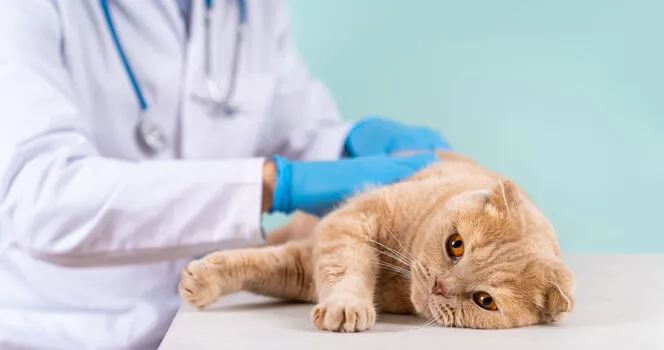
Eating and drinking less can indicate an underlying health problem. Since nutrition and hydration are essential, noticeable changes should be discussed with a veterinarian.
3. Excessive Sleeping
Older cats naturally rest more, but extreme tiredness or losing interest in familiar activities may indicate weakness or illness.
4. Changes in Breathing
Shallow, irregular, or difficult breathing can signal serious medical concerns. Breathing difficulties require immediate veterinary attention.
5. Reduced Awareness
A cat that stops responding to familiar sounds, toys, or people may be experiencing changes in health, hearing, or awareness.
6. Poor Grooming
When cats become weaker, grooming may become difficult. Their fur might appear dirty, tangled, or unusually dull.
7. Mobility Problems
Difficulty jumping, climbing, or walking can result from arthritis, muscle weakness, or other age-related conditions. Comfortable surroundings can help reduce physical strain.
8. Changes in Affection
Some cats become withdrawn, while others seek additional attention and companionship.
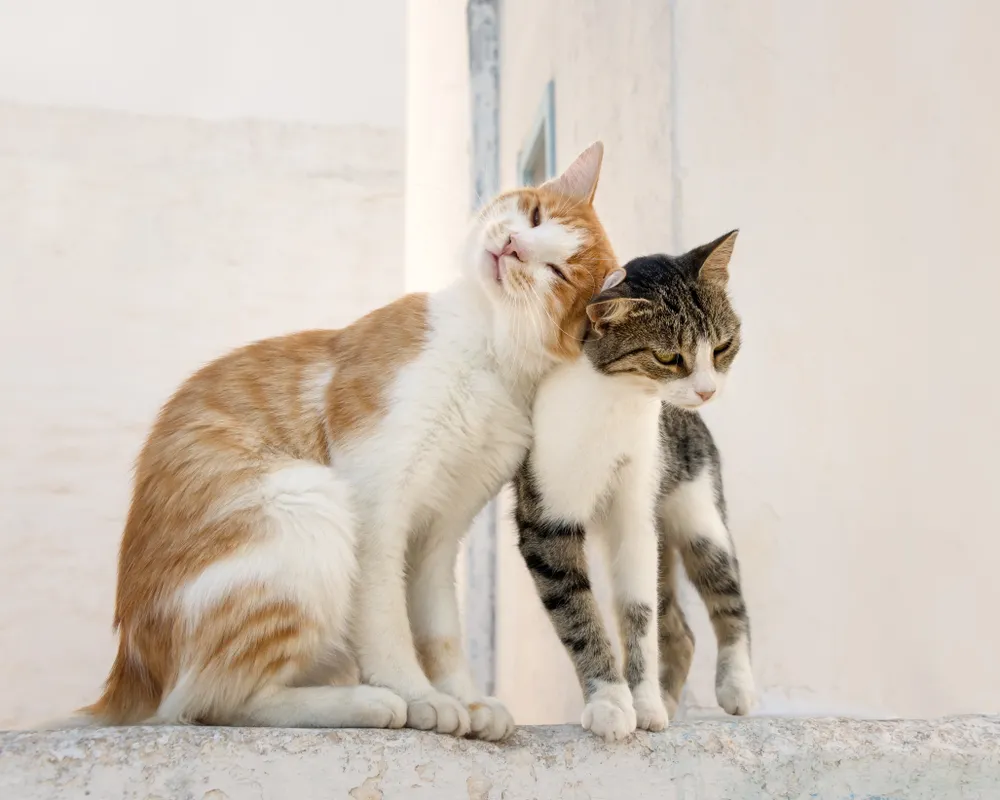
These behavioral changes may reflect discomfort or a need for reassurance.
9. Digestive Problems
Vomiting, nausea, and reduced appetite can occur because of various medical conditions. Persistent digestive symptoms deserve veterinary evaluation.
10. Irregular Bathroom Habits
Constipation, diarrhea, or changes in litter box behavior may indicate dehydration, discomfort, or illness.
11. Changes in Body Temperature
Weakness and unusual coldness may sometimes accompany serious illness. A veterinarian can determine whether medical intervention is necessary.
The Importance of Veterinary Care
These symptoms do not automatically mean a cat is dying. Many can result from treatable conditions, making professional evaluation essential.
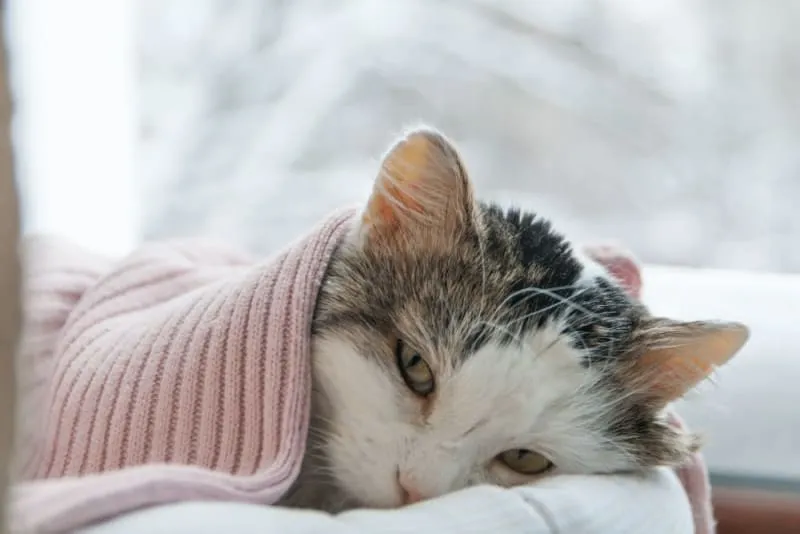
Veterinarians can recommend treatment, pain management, and palliative care to support a senior cat’s comfort and quality of life.
Providing Comfort and Compassion
Owners can help aging cats by providing warm resting spaces, accessible food and water, clean litter boxes, and peaceful surroundings.
Gentle companionship and familiar routines can also help reduce stress.
Understanding the Emotional Journey
Watching a beloved pet decline can bring sadness and anticipatory grief. These feelings are natural when facing the possibility of losing an important companion.
Recognizing changes early allows owners to seek help, make informed decisions, and spend meaningful time together.
Ultimately, every cat deserves patience, dignity, and love throughout its life. Even when words cannot express what they need, our gentle presence can make a meaningful difference.