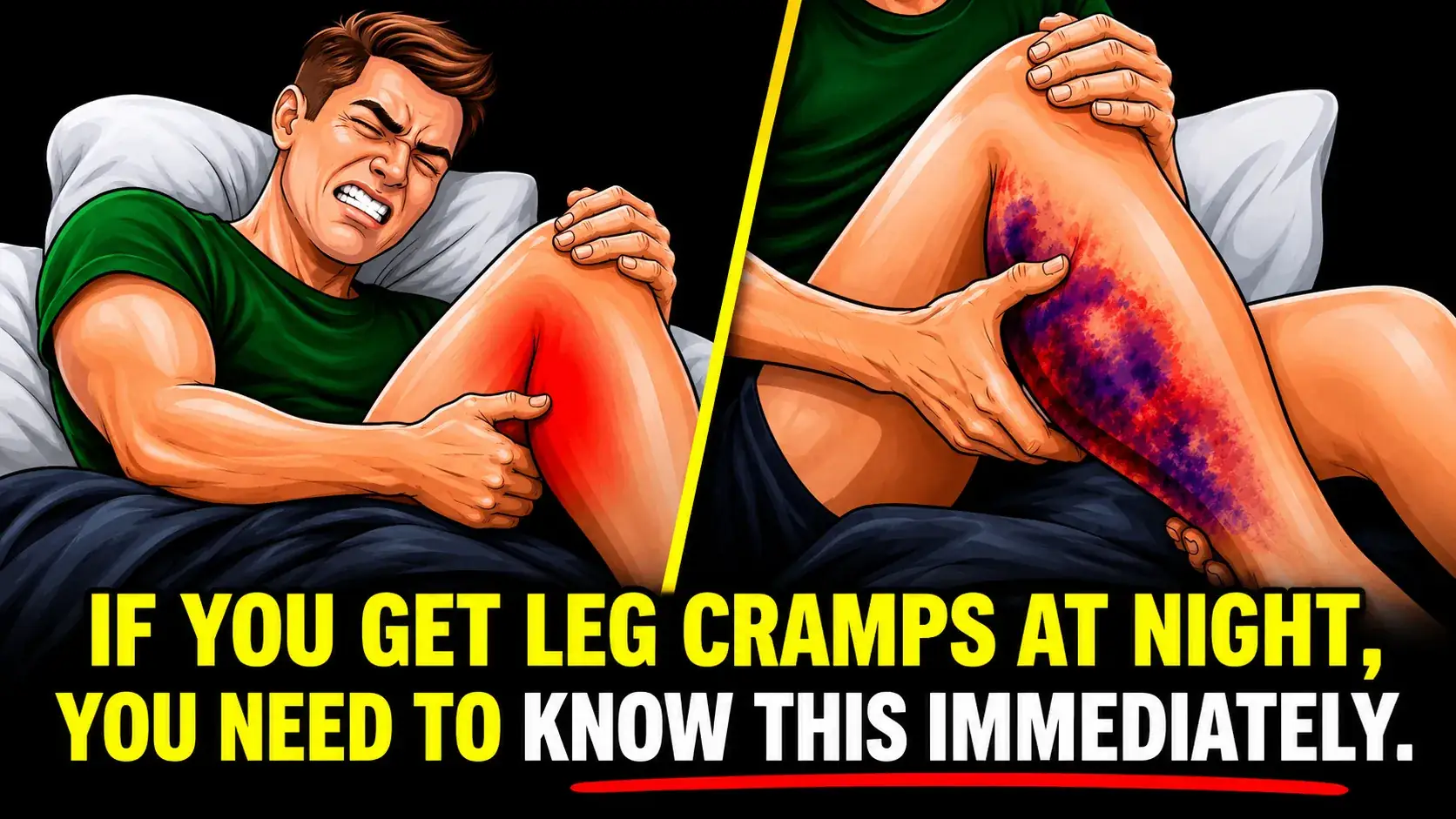
Nighttime Leg Cramps: The Hidden Warning Signs Your Body May Be Trying to Reveal!
Many people believe nighttime leg cramps are simply caused by dehydration or overexertion. Although occasional cramps are usually harmless, frequent or severe episodes may sometimes indicate underlying health problems. Understanding their causes and recognizing warning signs can help protect your health and improve your sleep.
Nighttime leg cramps are sudden, involuntary muscle contractions that commonly affect the calves, feet, or thighs. They often occur during sleep and can last from a few seconds to several minutes. Even after the pain disappears, muscle soreness may continue for hours or sometimes until the following day.
Dehydration is one possible cause. When the body lacks sufficient fluids, electrolyte levels, including potassium, magnesium, calcium, and sodium, may become unbalanced. These minerals help muscles contract and relax properly. Exercise, hot weather, and inadequate water intake may increase the likelihood of painful nighttime cramps.
Muscle fatigue is another potential trigger. Standing for long periods, performing intense physical activities, or sitting in one position for hours can place additional stress on muscles. Without adequate stretching and recovery, tired muscles may become more vulnerable to sudden spasms during sleep.
Certain medications may also contribute to leg cramps. Some diuretics, cholesterol-lowering drugs, and blood pressure medications have been associated with muscle cramping. Anyone experiencing persistent cramps after starting a new medication should consult a healthcare professional before making changes.
Underlying medical conditions can sometimes increase the risk of recurring cramps. Diabetes, peripheral artery disease, thyroid disorders, kidney disease, nerve compression, and circulation problems may contribute to these uncomfortable episodes. Treating the underlying condition may help reduce their frequency.
Age is another contributing factor. Older adults may experience cramps more frequently because muscle mass gradually decreases and tendons become less flexible. Regular physical activity, adequate hydration, and gentle stretching may help reduce discomfort.
Fortunately, several simple habits can help prevent nighttime cramps. Stretching the calf and hamstring muscles before bedtime, drinking enough water, and maintaining a balanced diet can support healthy muscle function. Gradually increasing exercise intensity and warming up before workouts may also prevent unnecessary strain.
If a cramp occurs, gently stretching the affected muscle, massaging the area, or applying a warm towel may provide relief. Walking slowly or standing with the affected foot flat on the floor can also help relax tight calf muscles.
Although most nighttime cramps are harmless, frequent episodes accompanied by swelling, redness, numbness, weakness, or severe pain require medical attention. Persistent cramps that disrupt sleep should also be discussed with a healthcare professional.
Paying attention to recurring cramps, maintaining healthy habits, and seeking medical advice when necessary can help reduce discomfort and support better sleep and long-term well-being.