Is Your Honey Really Pure? These 5 Warning Signs Could Surprise You!
Honey has been enjoyed for thousands of years because of its natural sweetness, distinctive flavor, and many uses in everyday life. From adding sweetness to tea and desserts to being used in traditional home remedies, honey remains a favorite household ingredient.
However, with its growing popularity, concerns about fake and adulterated honey have become increasingly common. Some products sold as pure honey may contain added sugar syrups or inexpensive sweeteners. This can make it challenging for shoppers to know whether they are purchasing genuine honey or a diluted product.
So, how can you recognize honey that might not be as pure as it claims?
The good news is that several simple observations can help you become a more informed buyer. Although no household experiment can reliably confirm honey’s purity, certain characteristics may encourage you to examine a product more carefully.
Here are some important things to understand before purchasing your next jar.
Why Is Honey Authenticity Important?
Real honey is naturally produced by honeybees using nectar collected from flowers. It contains a mixture of natural sugars, enzymes, organic compounds, and small amounts of other naturally occurring substances.
These components contribute to honey’s distinctive taste, texture, and natural composition.
Unfortunately, some manufacturers may mix genuine honey with cheaper ingredients to increase the product’s volume and reduce production expenses. This process is commonly known as honey adulteration.
Some ingredients that may be used include:
Corn Syrup: An inexpensive sweetener sometimes added to imitate honey’s natural sweetness.
Rice Syrup: Another sugar-based ingredient that may be used to increase volume.
Other Sweeteners: Different commercially produced syrups can also be mixed into honey.
Such additions can change the original composition of honey and make it difficult for ordinary consumers to recognize what is actually inside the jar.
What Should Buyers Look For?
Before purchasing honey, pay attention to its ingredients, labeling, source, and manufacturer information. Choosing products from trustworthy sellers and reputable producers can reduce the risk of buying questionable honey.
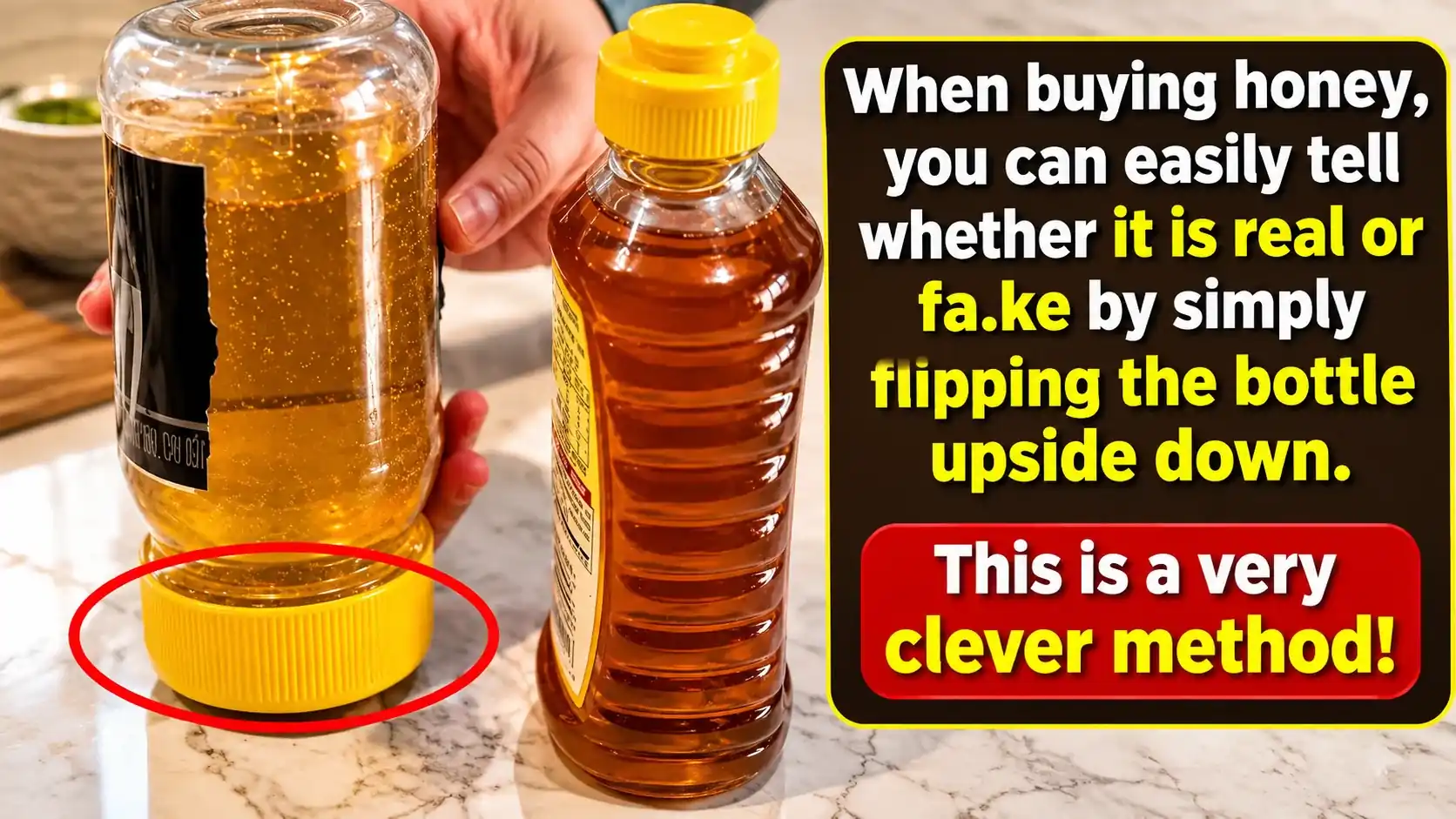
Remember that color, thickness, crystallization, and simple water tests cannot independently prove whether honey is pure. Even genuine honey naturally varies depending on the flowers from which bees collect nectar.