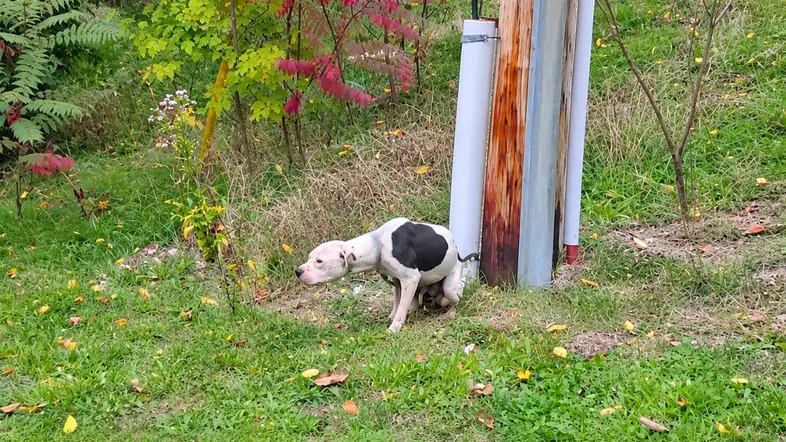
The shelter was just across the street, but Henry was too weak to reach it.
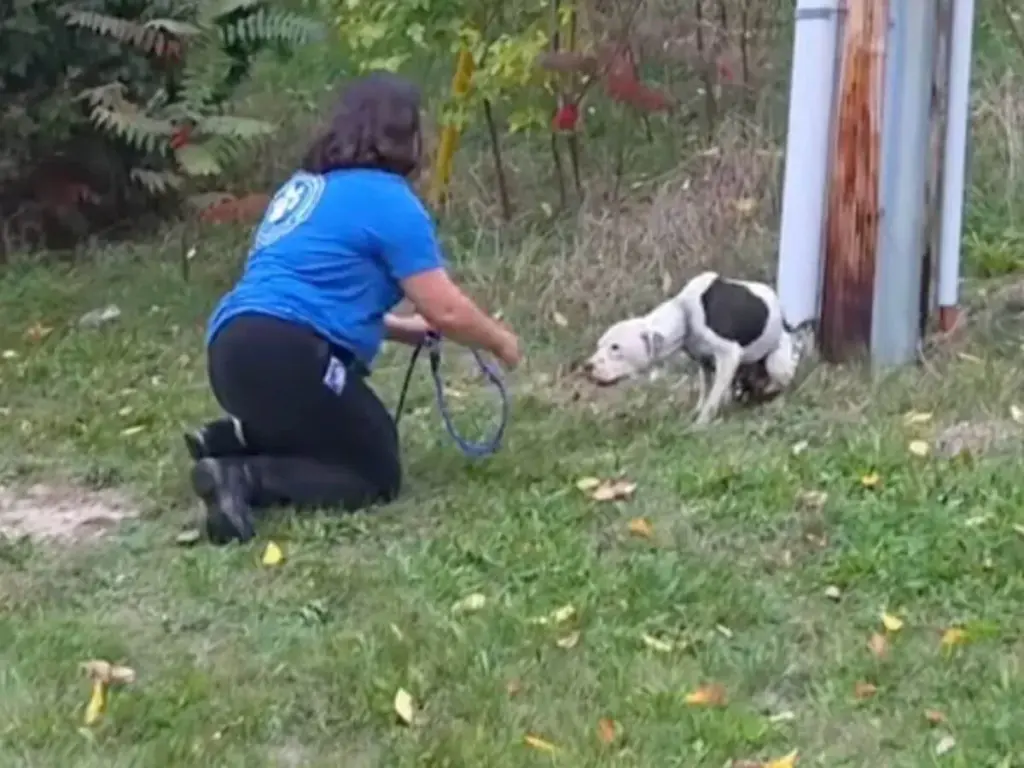
When shelter workers found him chained to a nearby pole, the severely underweight dog needed immediate help. They removed the chain and placed a leash around his neck, but Henry still couldn’t manage the short walk.
So Pearle gently lifted him into her arms and carried him inside.
For the first time, Henry was somewhere people could examine him, prepare meals for him, and make sure he was safe. But getting through the shelter door was only the beginning of his recovery.
Pearle Carried Henry Across the Street
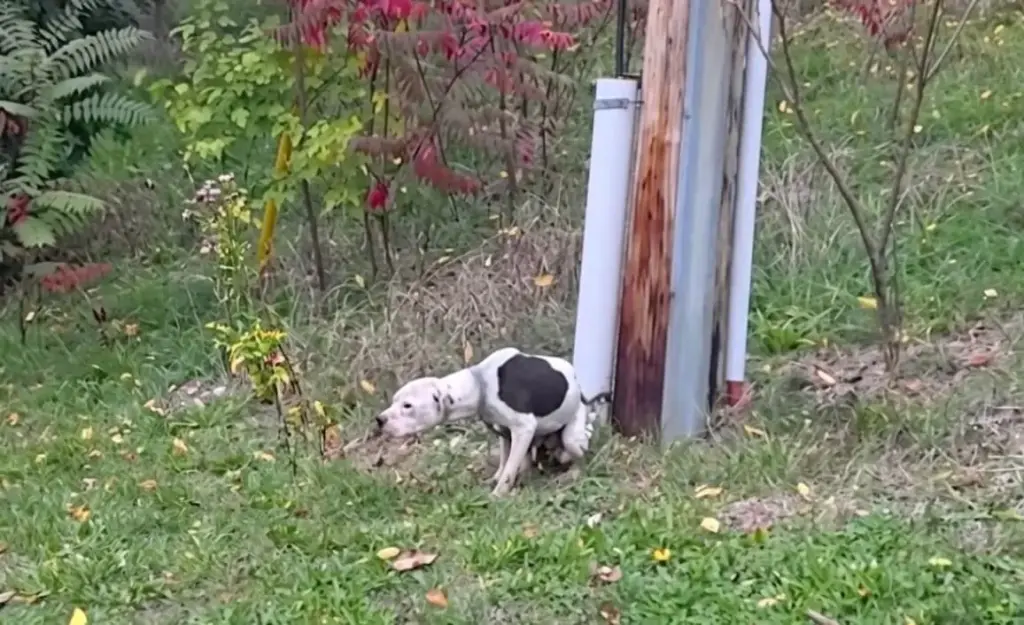
Henry’s rescue and recovery were handled by the Michigan Animal Rescue League (MARL). His story was also shared through a video narrated by the Dogs Are Family YouTube channel.
According to the account, shelter workers Pearle and Natalie approached Henry after he was discovered chained to the pole. They immediately recognized how severely underweight and weak he was.
Nobody knew how long he had been left there.
The video’s narration explained the difficulty of bringing him inside:
“Sadly, Henry was too weak to walk across the street to the shelter on his own.”
Pearle carried him the remaining distance, allowing the shelter’s medical team to examine him and begin planning his care.
The initial assessment reportedly found no major injuries or illnesses. However, his severe malnutrition required careful attention, and further examinations would later reveal concerns about his back legs.
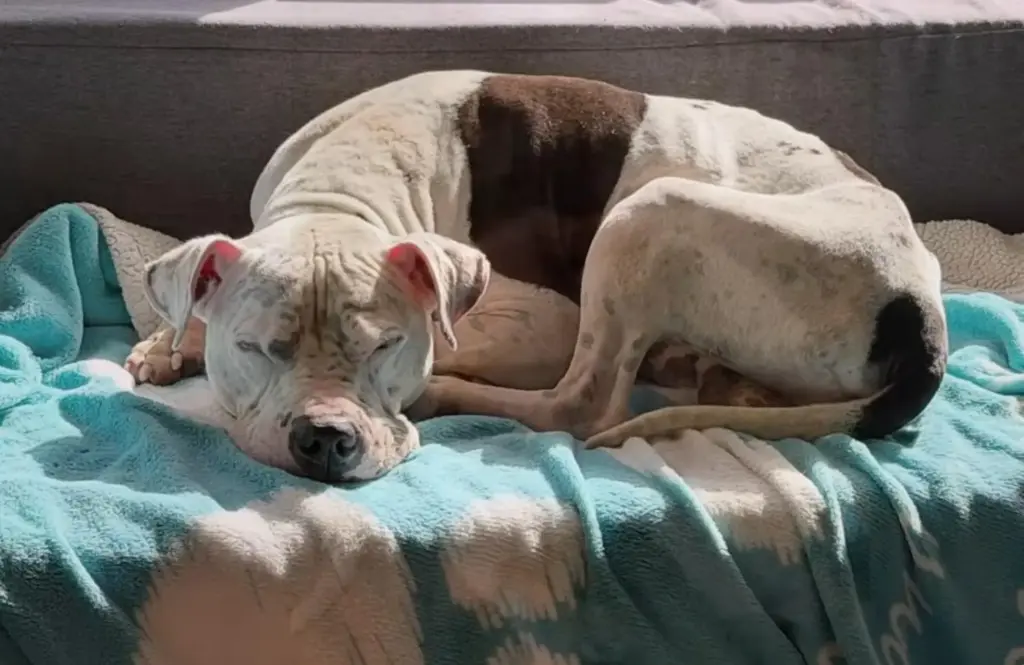
For the moment, his caregivers focused on food, rest, and close monitoring.
His First Meals Were Part of His Treatment
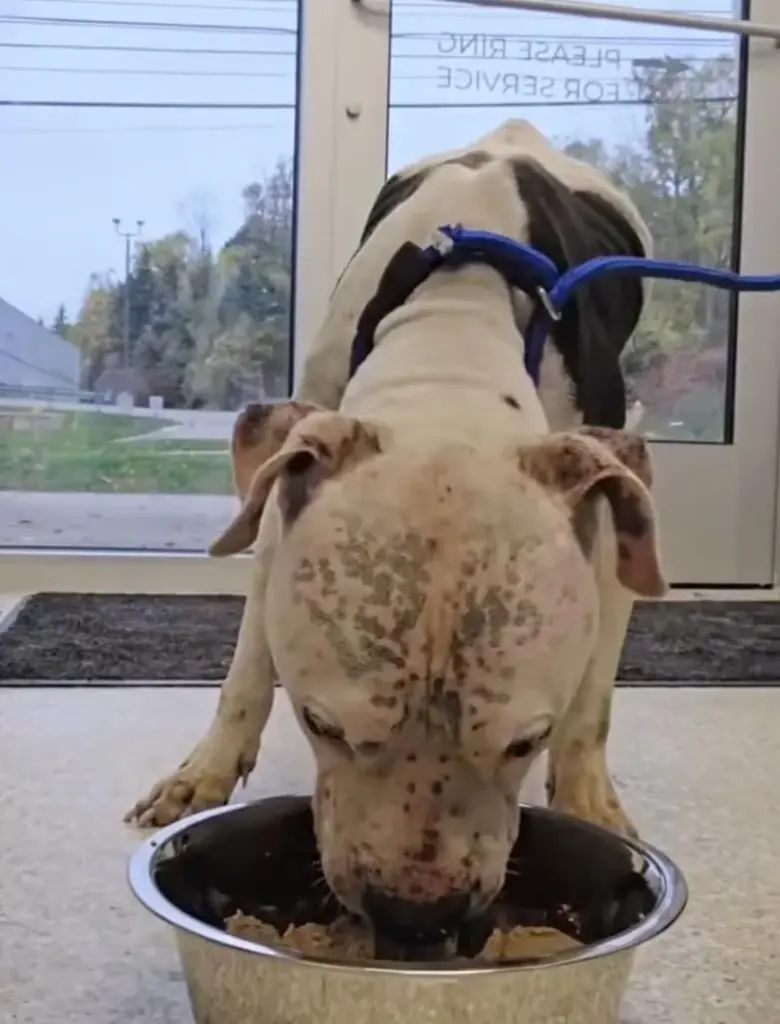
Henry began receiving small, frequent meals while shelter staff carefully monitored his response.
They watched his appetite, water intake, and bathroom habits to make sure his body was adjusting properly.
Although it might seem natural to give an extremely thin dog as much food as possible, restoring weight safely requires a more controlled approach.
The ASPCA recommends following a refeeding protocol during the first few days when caring for severely underweight dogs.
This helps explain why Henry’s recovery involved carefully planned meals rather than simply filling his bowl.
His caregivers continued watching his progress between feedings, making sure he was getting the nourishment he needed.
Two Pounds and a Little Radish Toy
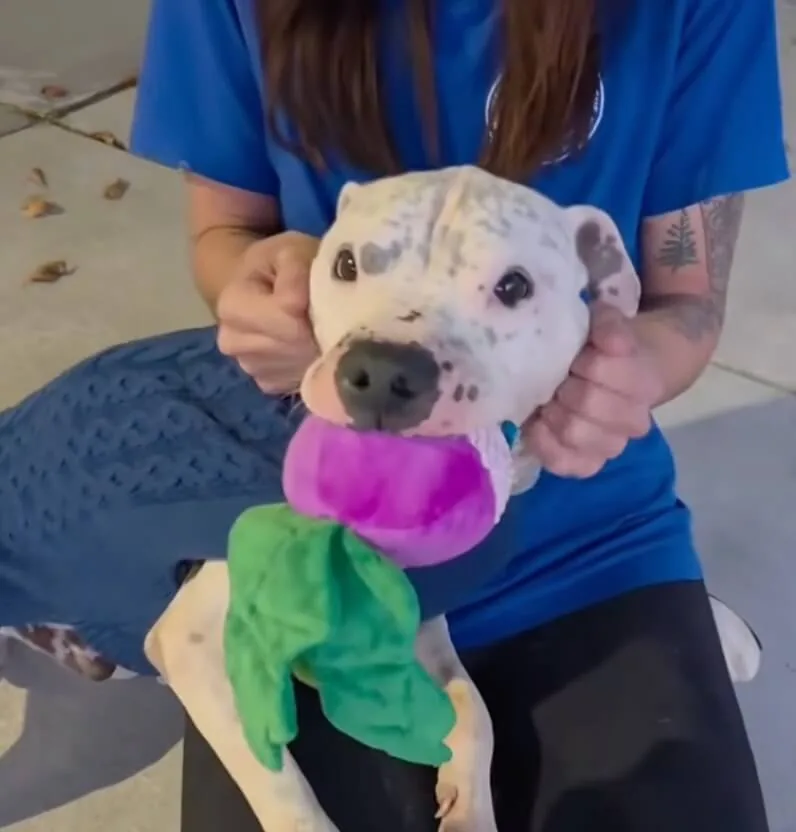
Henry’s early progress brought encouraging news. He had gained two pounds.
For a dog who had arrived too weak to walk across the street, even that small improvement was worth celebrating.
He was eating, drinking, and going to the bathroom normally. Shelter staff and volunteers also spent time with him, offering affection and helping him feel comfortable.
His tail began wagging during their visits, revealing more of his gentle personality.
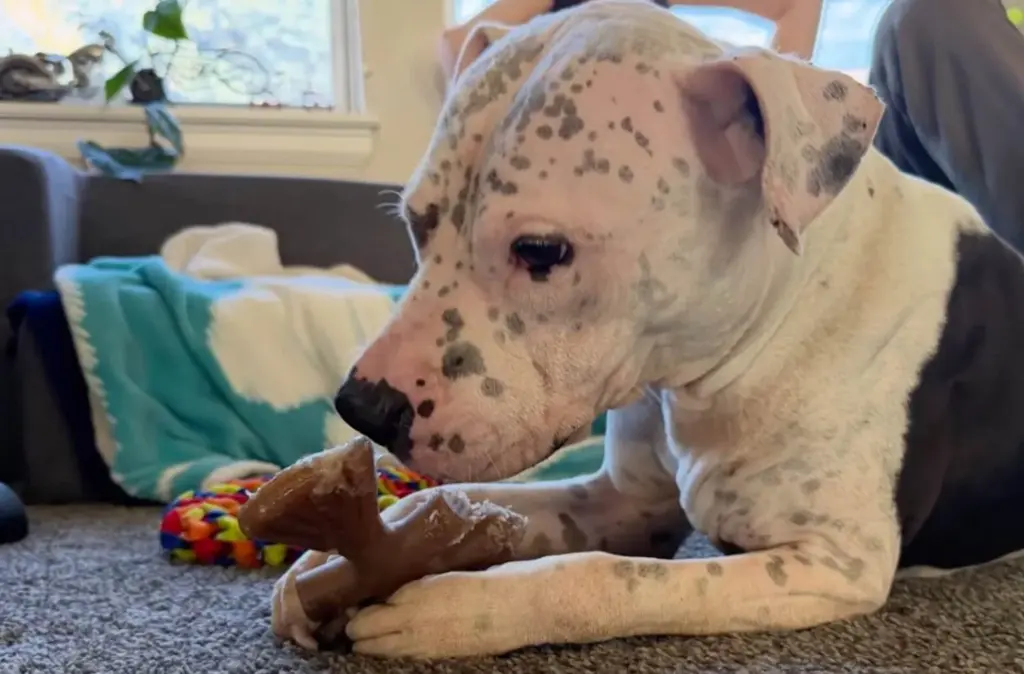
Then Henry discovered something he particularly enjoyed: a little radish toy.
His days were no longer limited to medical checks and meals. He had people to greet and a favorite toy to enjoy.
Although his recovery was far from complete, these small moments gave his caregivers encouraging signs that he was becoming more comfortable.
His Back Legs Needed Another Look
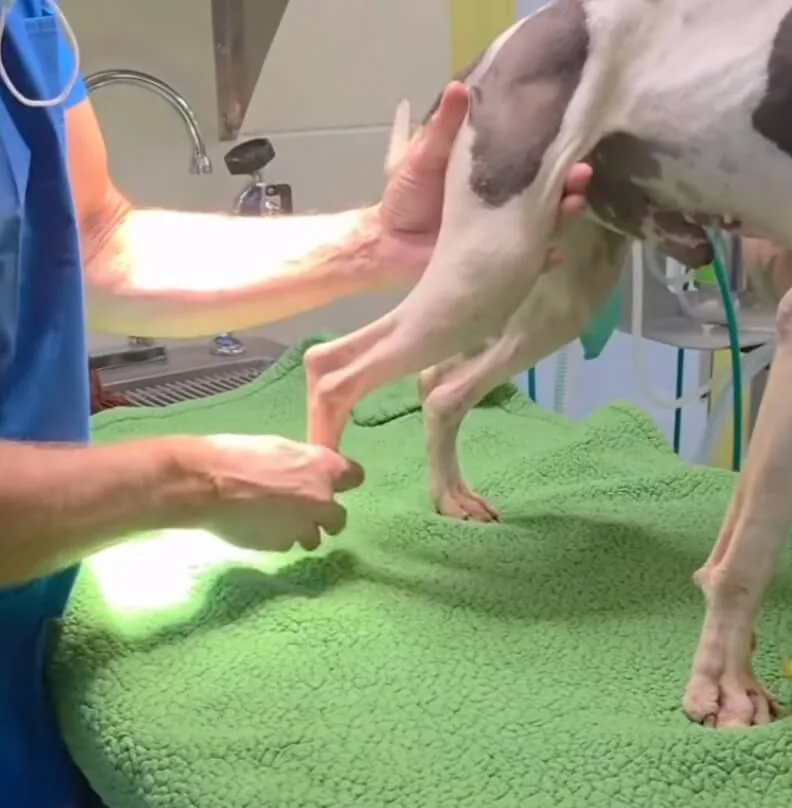
As Henry regained some strength, further examinations raised concerns about his ability to sense the position and movement of his back legs.
The video’s narration explained:
“He struggled to sense the position and movement of his back legs, especially the right one.”
This raised questions about his proprioception, the body’s ability to recognize where its limbs are positioned.
The observation did not establish the cause of his difficulty, but it gave the medical team another issue to investigate.
According to the account, Henry received pain medication while his caregivers continued supporting his recovery. They also planned to arrange X-rays once he was healthy enough for sedation.
The available account does not provide the eventual imaging results or a confirmed diagnosis.
For now, the team continued monitoring his mobility while celebrating the improvements in his appetite and weight.
Henry Began Spending Time Outside
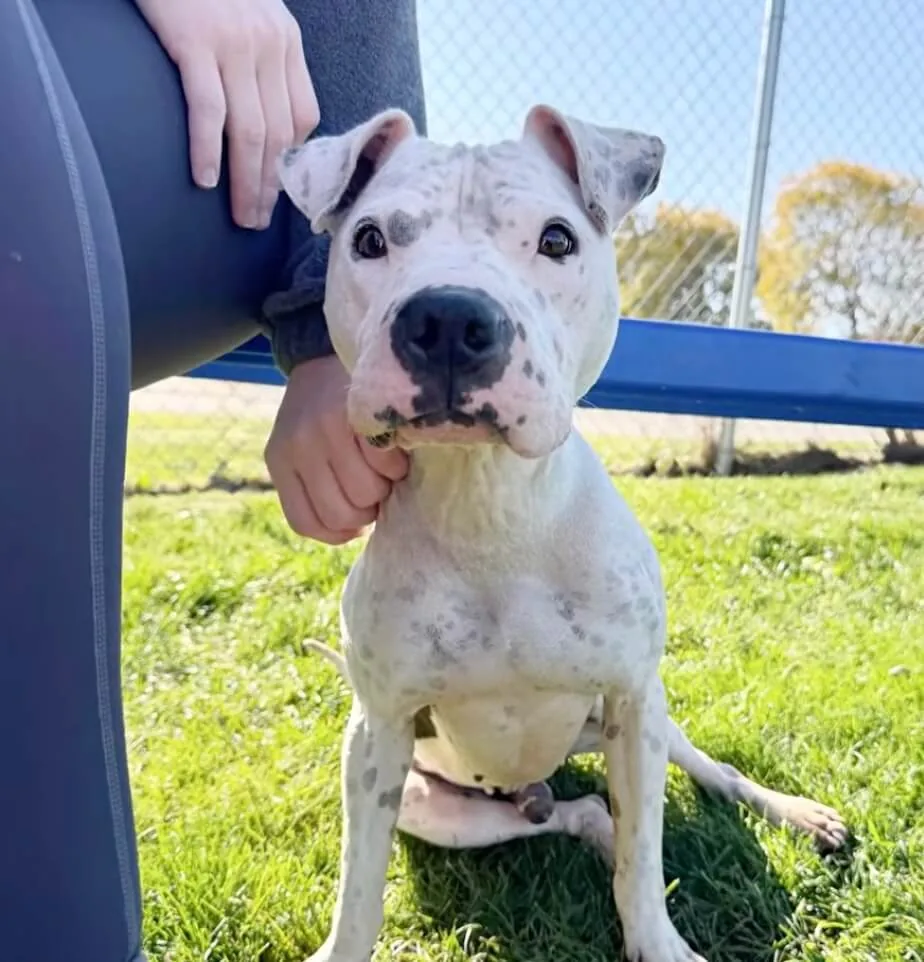
As his condition improved, Henry was able to visit MARL’s large outdoor play yard.
He still had strength to regain and medical questions that needed answers, but spending time outside gave him another opportunity to enjoy his surroundings.
His days were gradually becoming more varied. Along with eating and resting, he could spend time with the people caring for him and experience a little more of the world around him.
His progress was visible in simple ways. He was eating better, gaining weight, wagging his tail, and showing interest in his favorite toy.
These moments offered encouragement while his treatment continued.
His Progress Still Needed Follow-Up
Recovery from severe malnutrition requires more than a few good meals or an initial increase in weight.
Veterinary guidance emphasizes that nutritional assessments should be repeated over time so caregivers can adjust treatment as an animal’s condition changes.
For Henry, that meant continuing to monitor his weight, appetite, and overall health while investigating the problems with his back legs.
An improved appetite did not automatically mean his physical difficulties had disappeared. His caregivers still needed to understand what was affecting his movement and what further treatment might be necessary.
They continued giving him the attention and medical support he needed.
Henry’s Recovery Was Still Underway
The available account does not confirm Henry’s final medical outcome or whether he was eventually adopted.
However, it documents the important early changes in his condition after arriving at the shelter.
He had gained weight, was accepting affection, enjoyed spending time outside, and had discovered a favorite little toy.
There were reasons to be hopeful, even though his recovery was still ongoing.
Most importantly, Henry was no longer alone or struggling to survive without help. He had people looking after him and working to give him a better chance.
The Help Continued After He Was Carried Inside
Pearle’s journey across the street with Henry may have been short, but the care that followed required patience and dedication.
The Michigan Animal Rescue League team continued feeding him carefully, monitoring his progress, providing companionship, and investigating his mobility problems.
What began with a dog too weak to walk gradually became a story of small but meaningful improvements.
A meal eaten. A tail wagged. A favorite radish toy. Time spent outside.
Each moment showed that Henry was receiving the care and attention he had needed.
His story is a reminder that sometimes the most important rescue begins with someone simply refusing to leave a helpless animal behind.