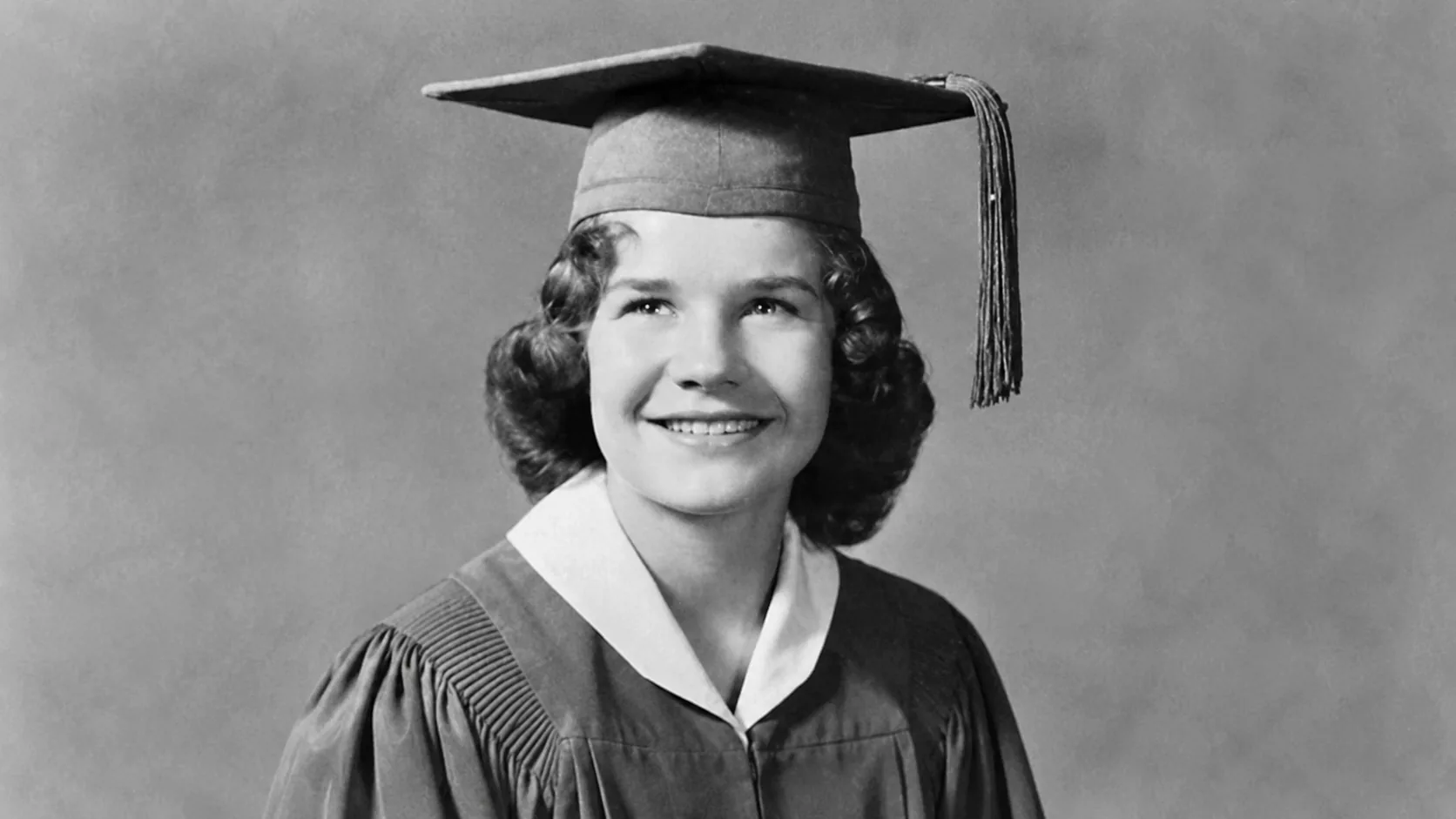
Before Janis Joplin became one of the most recognizable voices in rock music, she was a misunderstood young girl growing up in a small Texas town where being different often came at a price. Many people around her struggled to understand her personality, but those who recognized her talent saw something extraordinary: a fearless, gifted young woman with a voice that would eventually change music history.
Born on January 19, 1943, in Port Arthur, Texas, Joplin grew up with hardworking, deeply religious parents who believed in discipline and traditional values. Her mother worked at a local college, while her father was an engineer. Their family life was relatively quiet and conventional, but Janis was never comfortable following the same path as everyone else.
She was outspoken, curious, and attracted to ideas and people beyond the boundaries of her conservative hometown.
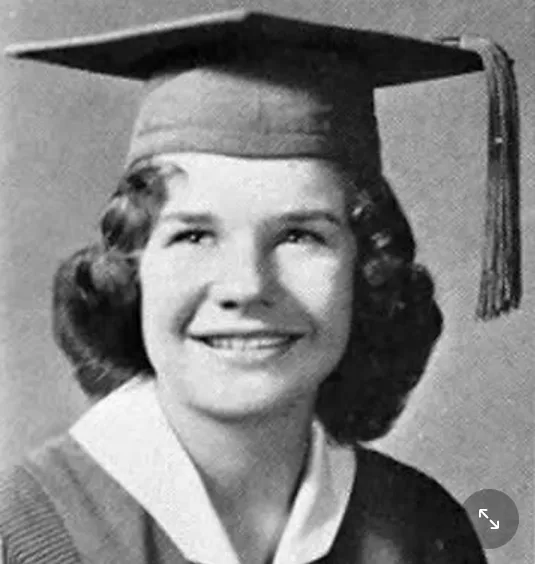
Growing up in the segregated American South during the turbulent years surrounding school integration, Joplin developed a deep interest in blues, jazz, and folk music. She read Beat Generation poetry, questioned traditional expectations, and embraced a bohemian lifestyle long before it became widely accepted.
Friends later remembered her for her fearless personality and distinctive appearance. She challenged social conventions, experimented with her style, and had a loud, unforgettable laugh.
A Difficult Childhood and Years of Rejection
High school was particularly painful for Joplin. She faced constant ridicule from classmates, especially because of her appearance and severe acne, which left permanent scars.
The cruelty affected her deeply, and the emotional wounds stayed with her long after graduation.
At the University of Texas at Austin, she continued to feel like an outsider. She sometimes attended classes barefoot, carried her autoharp, and focused more on music and intellectual interests than on fitting in with other students.
One particularly humiliating campus incident involved a cruel contest in which she was mockingly nominated, leaving her with another painful memory of rejection.
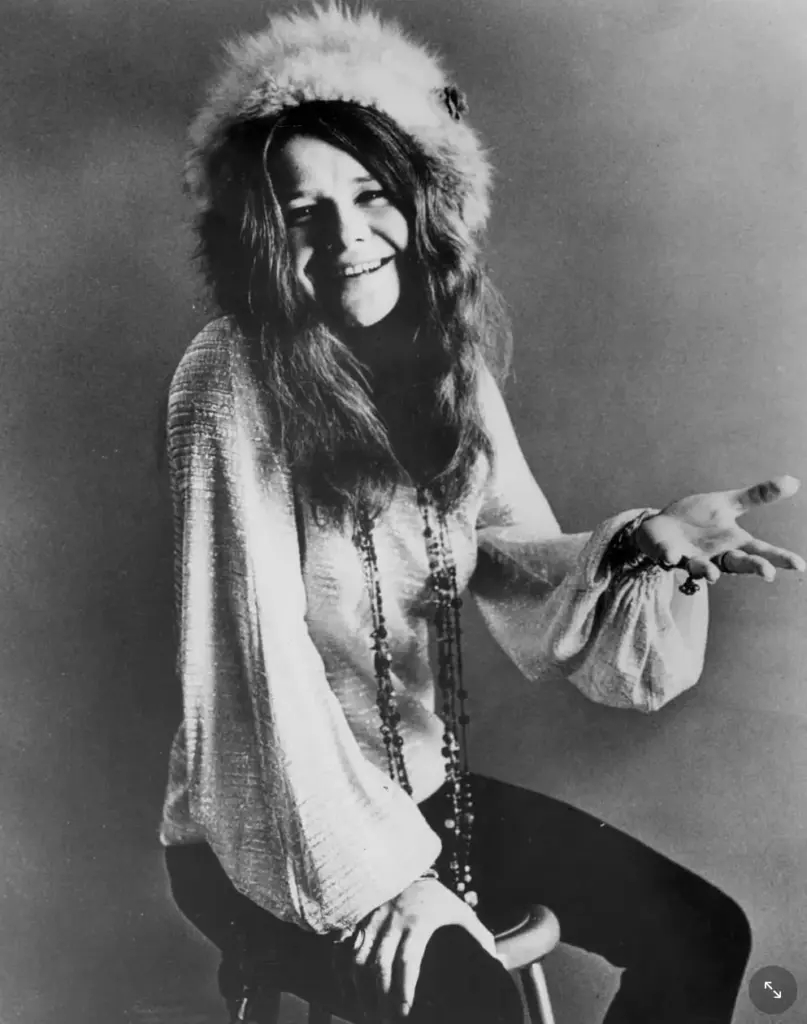
Leaving Texas to Follow Her Musical Dreams
Despite the difficulties, Joplin knew that music was where she belonged.
In 1963, she left college and moved to San Francisco, hoping to build a career as a singer. Life was far from easy. She struggled financially, performed in small coffeehouses, and faced growing problems with substance abuse.
Although she found acceptance within the local folk music community, mainstream success remained out of reach.
That changed when she joined Big Brother and the Holding Company.
Her breakthrough came in 1966 at the Monterey Pop Festival. Although the band had been given a relatively modest performance slot, Joplin delivered an extraordinary performance that captivated the audience.
Music industry executives quickly recognized her talent. Record deals followed, and the woman who had once been mocked for her appearance began attracting international attention.
Almost overnight, she became a symbol of rebellion, freedom, individuality, and unapologetic self-expression.
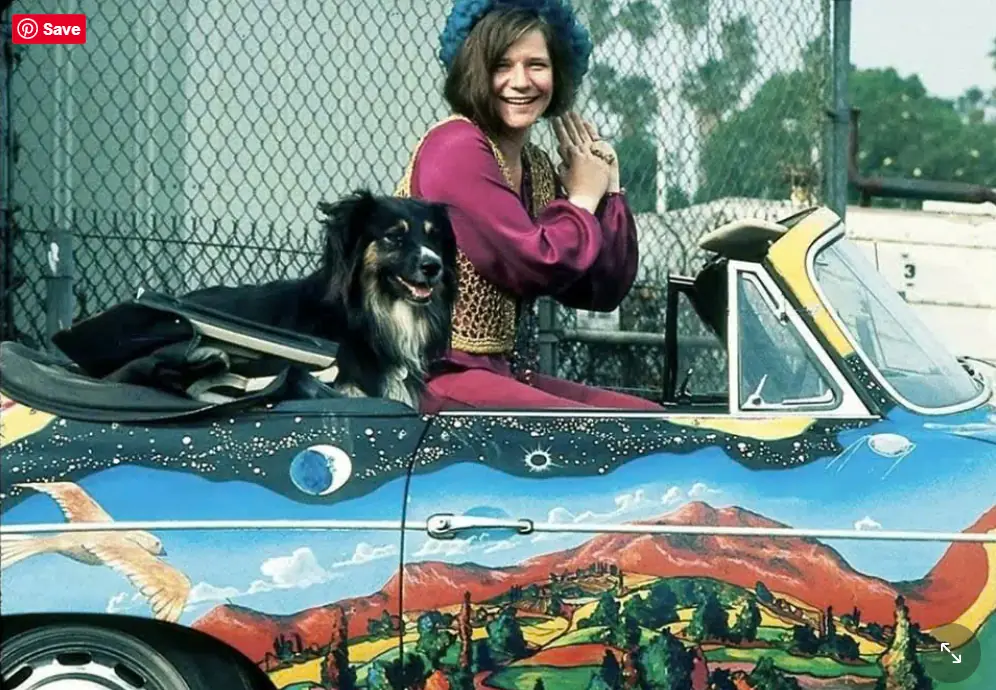
Janis Joplin with her dog George in her 1965 psychedelic Porsche. Photo credit: Undiscovered History/X.
From an Outsider to a Rock Music Superstar
Joplin went on to become one of the defining female performers of her generation and a major figure in rock history.
She appeared on magazine covers, attracted enormous audiences, and delivered memorable songs. Her posthumous recording of “Me and Bobby McGee” eventually reached No. 1 on the charts.
Her influence extended far beyond music. She represented a generation that valued authenticity, personal freedom, and the courage to challenge social expectations.
But behind the fame and success, Joplin continued struggling with emotional pain and addiction.
Despite becoming internationally famous, she still wanted acceptance and approval, particularly from her parents in Texas. Her letters revealed a daughter who continued trying to explain and justify the unconventional life she had chosen.
Janis Joplin pouring a drink backstage at Woodstock in August 1969. Photo credit: Classic Rock In Pics/X.
A Legend Gone Too Soon
Janis Joplin died in October 1970 at just 27 years old. Her death placed her among the musicians associated with the tragic “27 Club,” a group of influential artists who died at that age.
Her passing shocked the music world and ended a remarkable career far too early.
Yet her voice never disappeared.
Decades later, Janis Joplin remains an enduring musical icon. Her journey from a misunderstood girl in Texas to one of rock music’s most unforgettable performers continues to inspire people who feel different or struggle to find acceptance.
Her story reminds us that beauty is not about meeting society’s expectations. Sometimes, it is found in individuality, honesty, courage, and the willingness to remain true to yourself.
And Janis Joplin expressed those qualities through a voice the world would never forget.