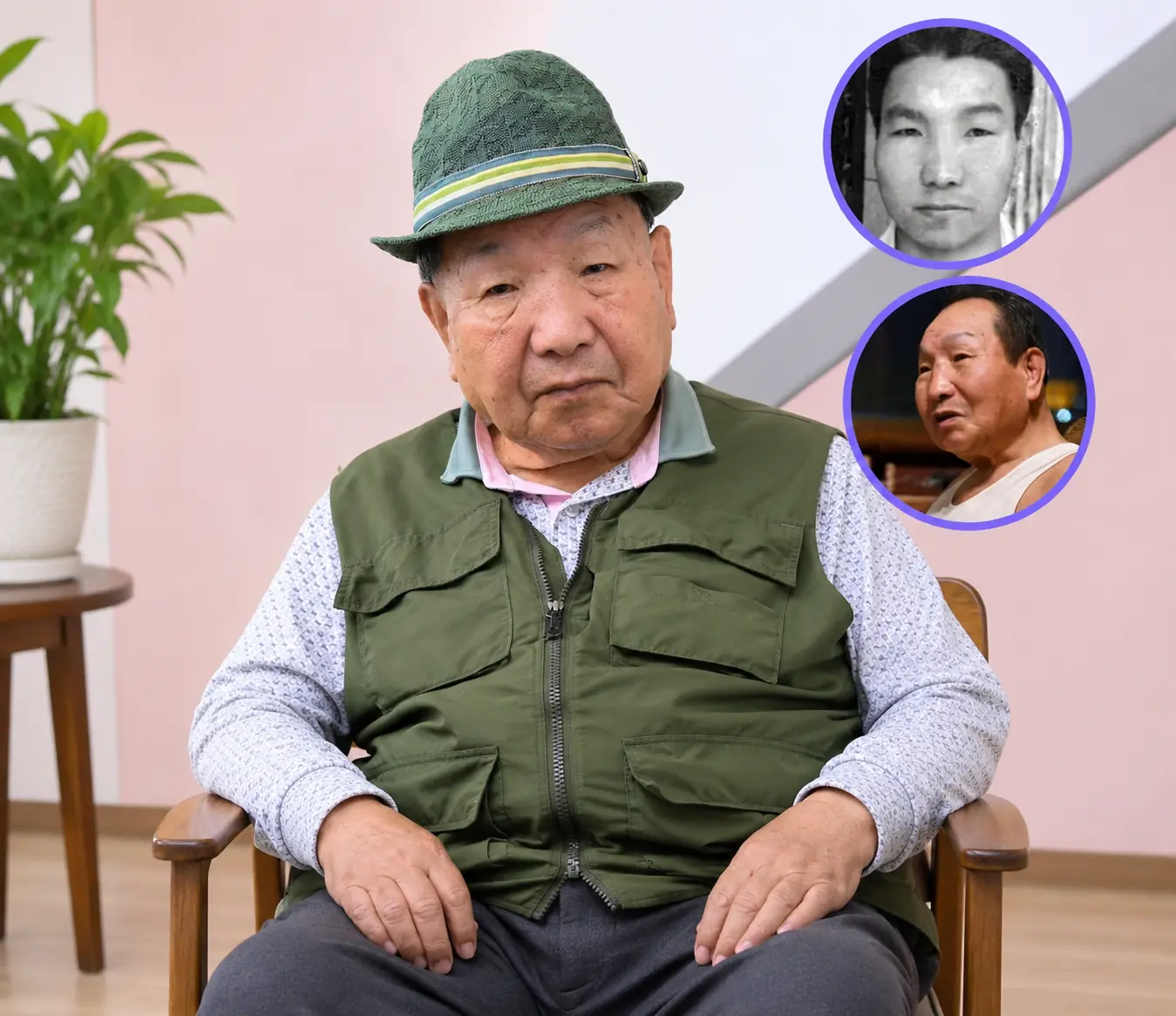
In 1966, Iwao Hakamada, a 30-year-old former professional boxer, was arrested in Shizuoka, Japan, accused of murdering his employer, his employer’s wife, and their two teenage children. What followed became one of the most disturbing cases of wrongful conviction in Japanese history.
Hakamada endured twenty days of intense interrogation, sometimes lasting up to twelve hours daily, without access to a lawyer. Under enormous pressure, he eventually confessed. However, when his case reached trial, he withdrew his confession, claiming that police officers had physically abused him and denied him even basic bathroom breaks.
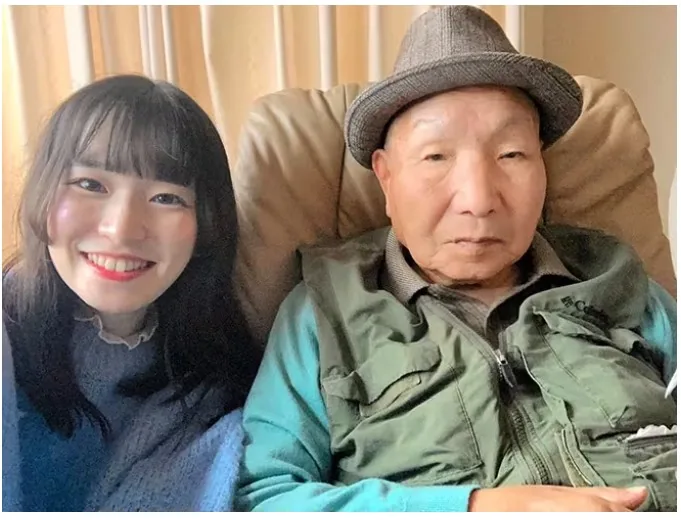
The prosecution’s strongest evidence consisted of five bloodstained pieces of clothing, allegedly discovered inside a miso storage tank more than a year after his arrest. In 1968, Hakamada was sentenced to death. Although one judge, Norimichi Kumamoto, believed the evidence was unreliable and considered him innocent, the other two judges disagreed. Unable to accept the decision, Kumamoto resigned and later revealed that he had written a verdict he personally believed was wrong.
For the next 46 years, Hakamada lived under a death sentence. In Japan, prisoners awaiting execution are informed only on the morning they are scheduled to die. Every day, he woke up knowing that it could be his final morning. Throughout those unbearable decades, his older sister, Hideko, refused to abandon him and continued fighting tirelessly for his freedom.
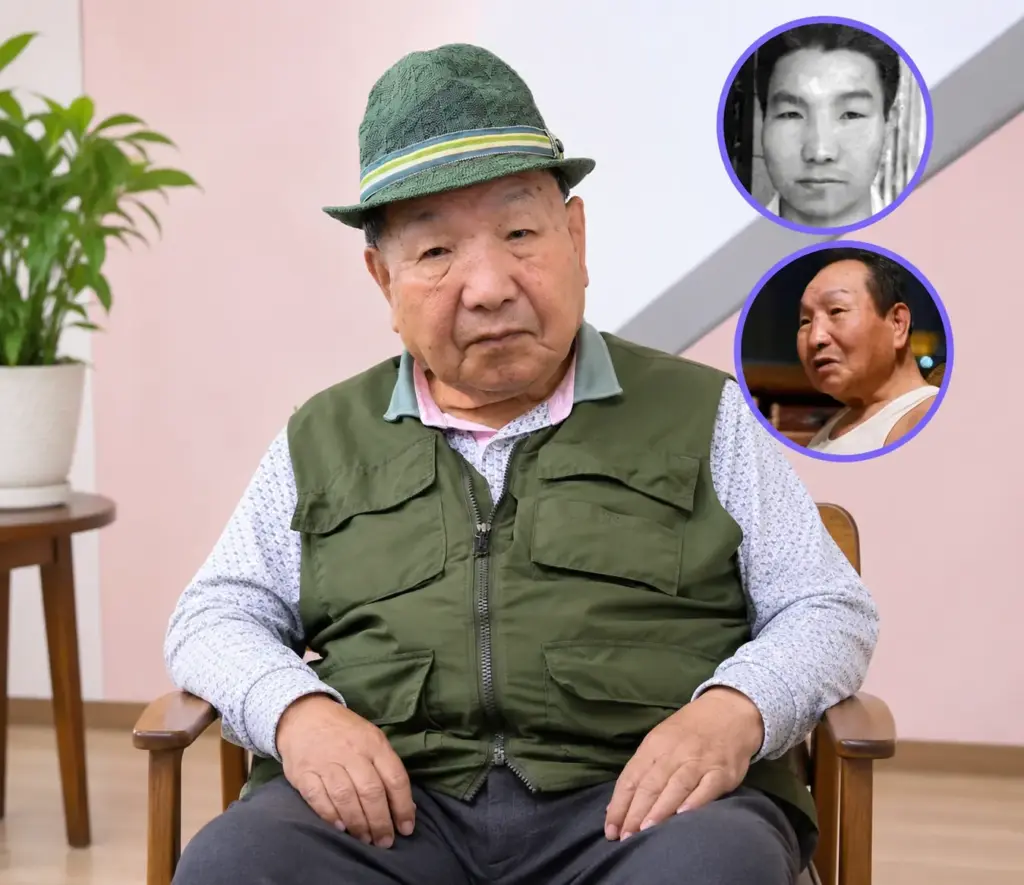
Eventually, new DNA testing exposed serious problems with the prosecution’s evidence. Tests showed that the blood found on the trousers did not belong to Hakamada or the victims. Experts also explained that clothing submerged in miso for over a year would become dark brown rather than retain the bright red stains presented in court. Investigators were ultimately accused of fabricating crucial evidence.
In 2014, after nearly half a century behind bars, Hakamada was released. Ten years later, in 2024, he was officially acquitted at the age of 88. His sister Hideko, then 91, had finally witnessed the justice she had spent her life seeking.
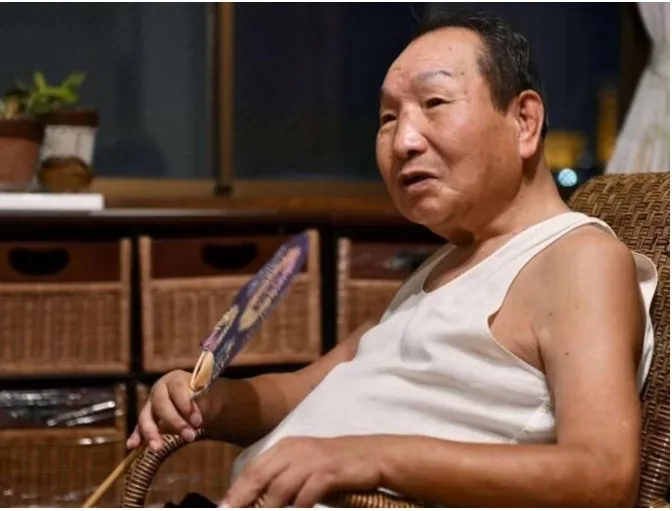
In 2025, Japan awarded him 217 million yen, approximately $1.5 million, in compensation, the largest criminal compensation payment in the country’s history. The amount represented just 12,500 yen for every day he had been imprisoned.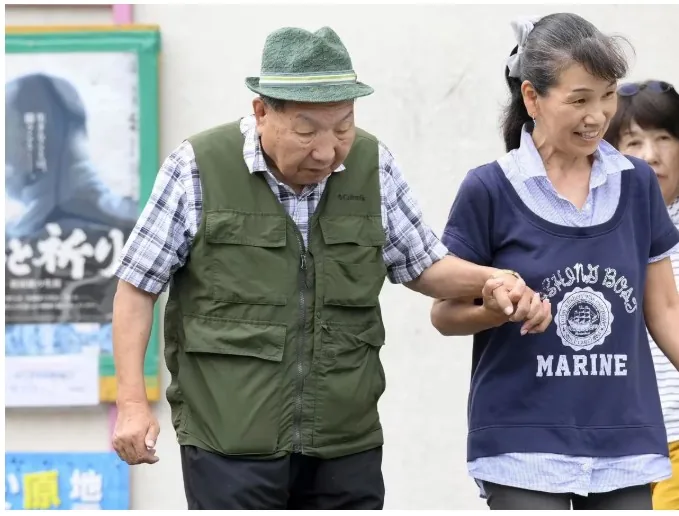
Yet no financial award can return 46 stolen years, restore his lost youth, or erase the suffering he endured. His lawyers believe the compensation is nowhere near enough.
After taking almost an entire lifetime from an innocent man, how can a government ever truly make amends?