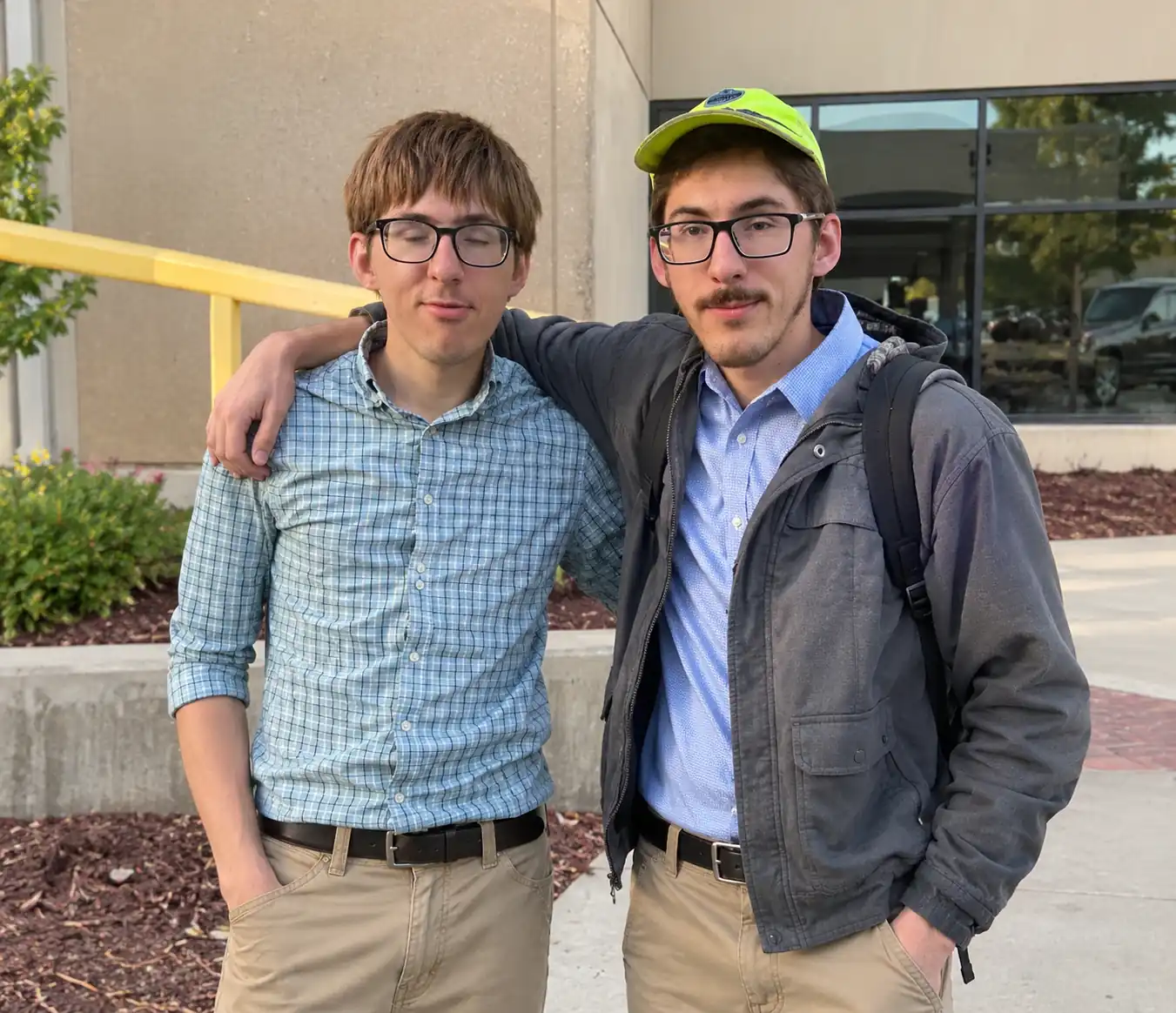
Isaac Valdez was just 26 years old, but he carried a decision in his wallet that would ultimately become central to his tragic story. His card clearly stated two words: “No Blood.”
In August 2026, Isaac suffered an epileptic seizure while inside a library in Texas. During the episode, he fell and struck his head, resulting in a devastating brain hemorrhage. As a Jehovah’s Witness, he had strong religious objections to receiving blood transfusions, and his beliefs guided his medical decisions.

After regaining consciousness, Isaac reportedly reaffirmed his refusal to receive blood. His condition later deteriorated, and he slipped into a coma.
Doctors informed his family that emergency brain surgery was the only possible chance of saving his life. However, the procedure would require a blood transfusion, placing the medical team and his loved ones in an extremely difficult situation.

His family respected the decision he had made while conscious. Despite the desperate efforts and limited options, Isaac died on August 26, 2026.
Then, just 23 days after his death, the Jehovah’s Witnesses announced a change in their guidance concerning blood components. According to the reported announcement, members could now personally choose to accept certain components, including red blood cells, platelets, and plasma.
The development brought renewed attention to Isaac’s death. His twin brother, Jacob, who had previously left the religion, believes that the change came too late for Isaac. He questions whether his brother might have survived if the updated guidance had existed earlier and is demanding an apology from the organization.
The Jehovah’s Witnesses, however, describe the updated position as a new application of biblical principles to modern medical treatment.
Isaac’s story raises difficult questions about personal freedom, religious convictions, medical decisions, and the responsibility of religious institutions. His family faced an impossible situation, respecting the wishes of someone they loved while knowing that a potentially life-saving treatment was being refused.
Ultimately, the debate goes beyond one family and one medical tragedy. Should religious guidance evolve when medical possibilities change, and how should individuals be informed about their treatment options?

For Jacob, the timing of the announcement makes his brother’s death even harder to accept. For others, Isaac’s story highlights the importance of respecting personal beliefs while ensuring that every patient has access to clear medical information.