
Many people switch from traditional cigarettes to vaping because they believe it is a healthier option. Some even choose nicotine-free e-cigarettes, assuming they carry little or no health risk. However, a concerning study suggests that vaping without nicotine may still affect blood circulation and potentially increase the risk of cardiovascular problems.
Although regular cigarettes contain thousands of harmful substances, including tar and cancer-causing chemicals, vaping should not automatically be considered safe.
What Happens When You Vape?
Vaping involves using an electronic device that heats a special liquid to produce an aerosol that users breathe into their lungs. Unlike cigarettes, these devices do not burn tobacco, which means they generally produce less smoke-related toxins. However, that does not make the inhaled substances harmless.
What’s Inside Vape Liquid?
Most vape liquids contain propylene glycol and vegetable glycerin, ingredients responsible for producing vapor. Although commonly used in food products, inhaling heated versions of these substances may have different effects on the respiratory system.
When exposed to high temperatures, they can produce potentially harmful chemicals that may contribute to:
Persistent coughing
Breathing difficulties
Irritation and inflammation in the lungs
Are Flavored Vapes Safe?
Sweet, fruity, and mint-flavored vaping products attract many users, but certain flavoring ingredients may create additional health concerns.
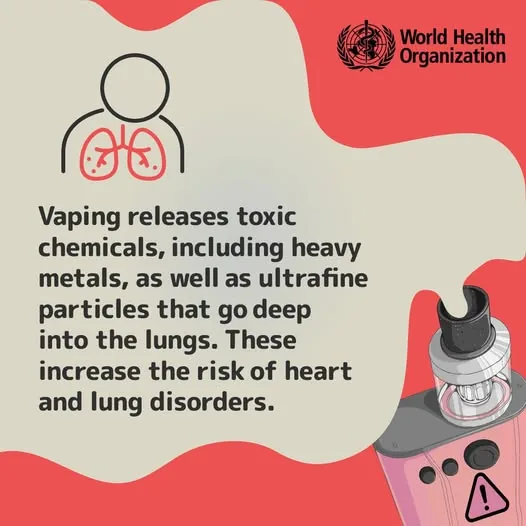
Some potentially harmful substances include diacetyl, which has been associated with a serious lung condition called popcorn lung, and benzaldehyde, which may irritate the airways. Heating elements inside vaping devices can also release small amounts of metals, including nickel, lead, and tin.
Dr. Michael Blaha of Johns Hopkins Medicine has warned that vaping exposes users to numerous chemicals whose long-term effects are not fully understood.
The Study Results Raise Concerns
Vaping has become particularly popular among younger people. Researchers have raised concerns about teenagers developing the habit, especially those who never previously smoked.
In a 2024 investigation, scientists examined whether vaping ingredients could affect the body even without nicotine. They compared three groups: people using nicotine-free vapes, nicotine-containing vapes, and traditional cigarettes.
The findings were concerning. All three were associated with measurable changes in blood vessel function.
This suggests nicotine is not the only substance responsible for vaping-related health concerns. Even products advertised as nicotine-free may expose users to chemicals that affect cardiovascular health.