Our eyes are among the most important and sensitive organs in the human body. However, accidents can damage them unexpectedly, sometimes causing serious problems that may affect vision permanently. Traumatic eye injuries can result from falls, sports accidents, physical impacts, or exposure to dangerous substances. Even an injury that appears minor may hide internal damage. Understanding the causes, symptoms, and treatment options is essential for protecting your eyesight.
What Are Traumatic Eye Injuries?
Traumatic eye injuries occur when an external force damages the eyeball or surrounding tissues. They can range from mild bruising to severe injuries involving internal bleeding or broken bones around the eye socket.
Common types include:
Blunt trauma: Caused by objects such as balls, fists, or other heavy items striking the eye.
Penetrating injuries: Occur when sharp objects enter the eye or surrounding tissues.
Chemical burns: Result from contact with harmful liquids or substances.
Orbital fractures: Develop when strong impacts break the bones surrounding the eye.
Each injury requires proper medical evaluation and appropriate treatment.
Common Causes of Eye Trauma
Several everyday situations can lead to eye injuries. Sports activities, particularly basketball and baseball, can expose people to fast-moving objects. Falls at home or work may also cause facial injuries.
Car accidents can produce significant impacts, resulting in bruising or fractures. Workplace environments involving machinery, chemicals, and sharp equipment create additional risks. Physical assaults are another possible cause of serious eye trauma.
Symptoms You Should Never Ignore
Recognizing symptoms early can help prevent further damage. Common warning signs include:
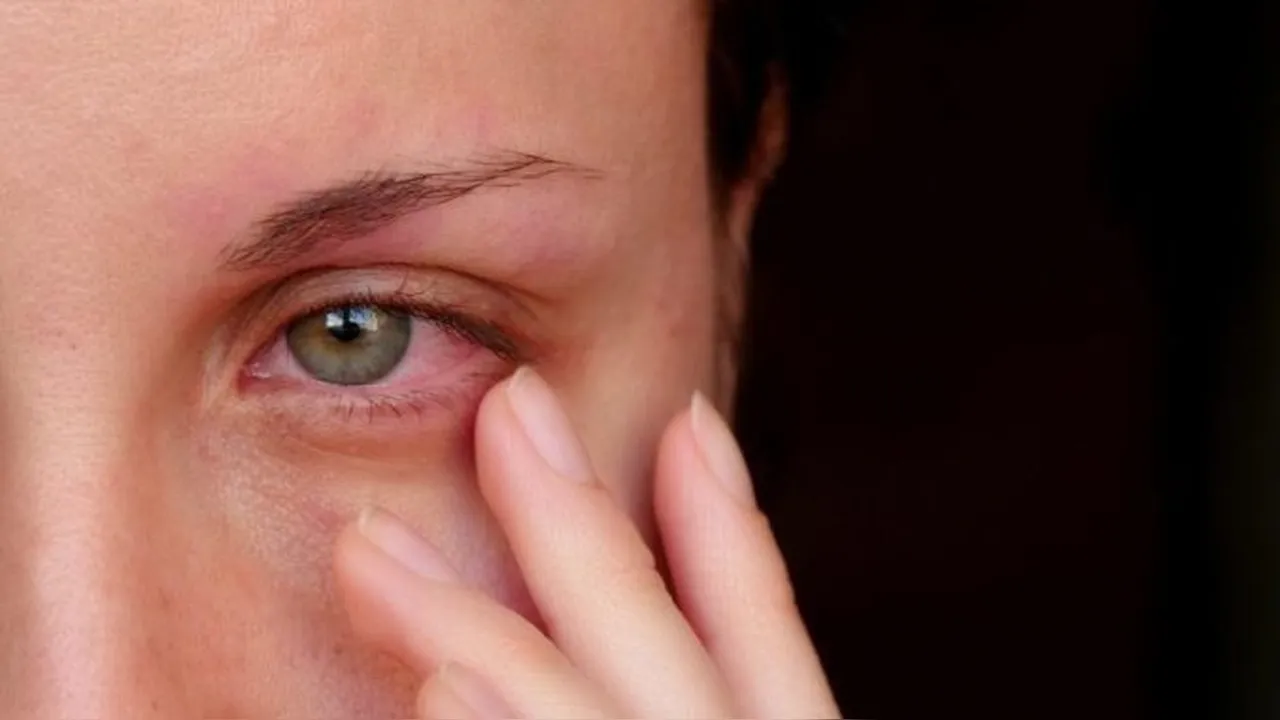
Swelling and bruising around the eyelids.
Redness or bleeding inside the eye.
Blurred or double vision.
Pain and pressure around the eye.
Sensitivity to light.
Difficulty moving or opening the eye.
Partial or complete vision loss.
Sudden vision changes, severe pain, or visible internal bleeding require emergency medical attention.
Why Immediate Treatment Matters
Delaying treatment can increase the risk of permanent complications, including glaucoma, retinal detachment, and vision impairment. Doctors may recommend imaging tests, medications, or surgery depending on the injury.
Prevention and Recovery
Protective eyewear, seat belts, safe storage of sharp objects, and careful workplace practices can reduce injury risks. Recovery depends on the severity of the damage, and regular eye examinations help monitor healing.
Final Thoughts
Never underestimate an eye injury, even when it looks harmless. Prompt medical attention can protect your vision and reduce complications. Taking preventive steps today may help preserve your eyesight for years to come.