Having multiple sexual partners may seem normal in modern dating culture, but many men overlook the health risks associated with frequent sexual activity. One important concern is human papillomavirus (HPV), a common sexually transmitted infection that can affect both men and women.
HPV includes more than 200 related viruses. Some strains cause no serious problems and disappear naturally, while others can lead to genital warts and certain cancers.
Why Should Men Be Concerned About HPV?
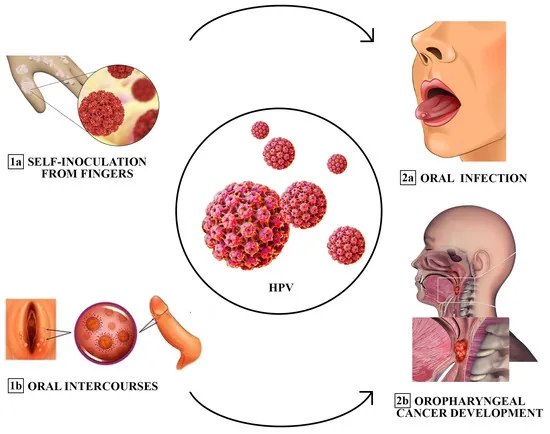
HPV is commonly associated with cervical cancer in women, but men can also experience serious complications. Certain strains are linked to penile, anal, and throat cancers. Men with multiple sexual partners may have more opportunities to encounter the virus.
How Does HPV Spread?
HPV spreads mainly through intimate skin-to-skin contact during vaginal, anal, or oral sexual activity. It can also spread without penetration. Condoms reduce transmission risk but cannot provide complete protection.
Another concern is that infected individuals often have no noticeable symptoms. This means someone may unknowingly transmit HPV to a partner.
Symptoms Men Should Recognize
Many men never develop symptoms. However, possible signs and complications include:
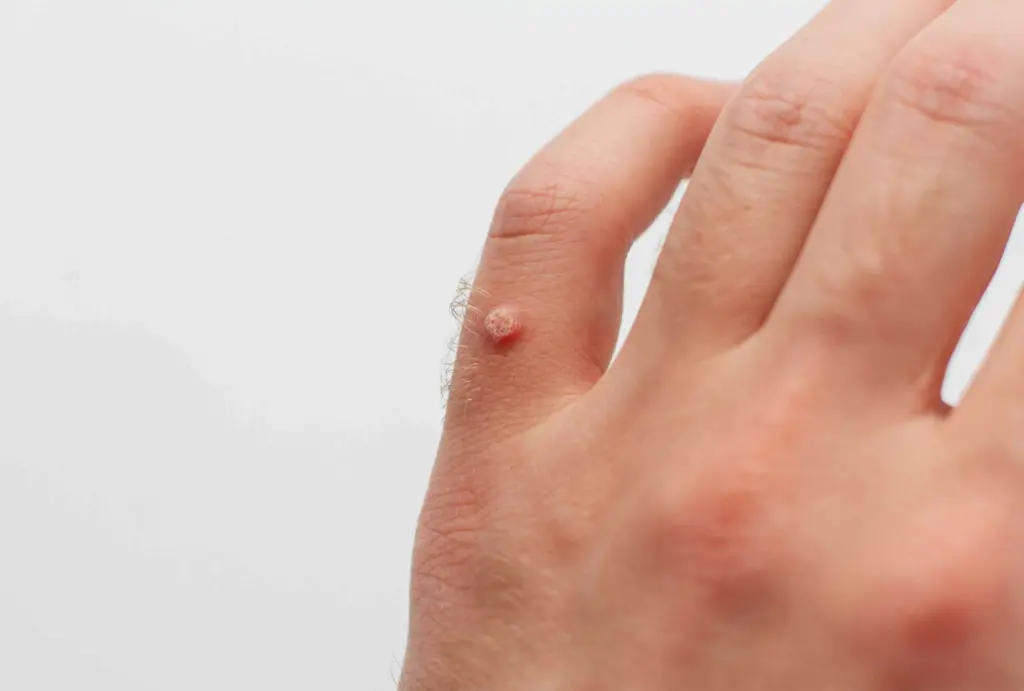
Small genital warts around the penis, scrotum, or anus.
Unusual growths in intimate areas.
Certain HPV-related cancers affecting the penis, anus, or throat.
Rare respiratory complications caused by wart-like growths.
Can Men Protect Themselves?
Fortunately, several preventive measures can help reduce HPV risk:
Limit Sexual Partners: Fewer partners generally mean fewer opportunities for exposure.
Use Protection: Condoms can lower transmission risk, although they are not completely protective.
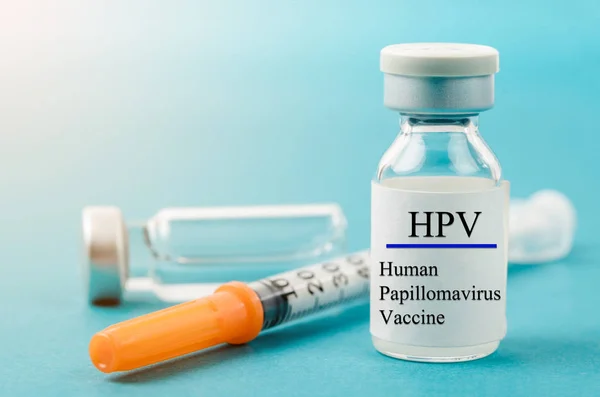
Get Vaccinated: HPV vaccines protect against several strains responsible for most HPV-related cancers and genital warts.
Visit a Doctor: Seek medical advice if unusual growths or other concerning symptoms appear.
Communicate Honestly: Discuss sexual health and vaccination with partners.
Does HPV Always Cause Cancer?
No. Most HPV infections are naturally controlled by the immune system within approximately two years. However, persistent infections involving high-risk strains can sometimes cause cancer-related changes.
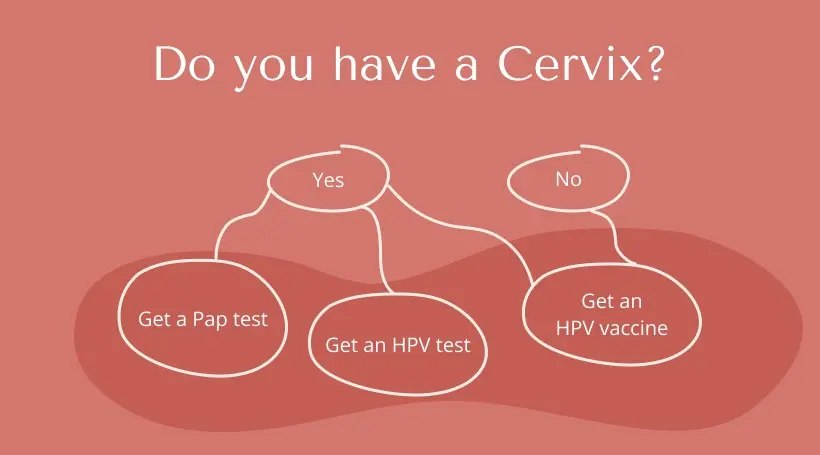
There is currently no routinely recommended HPV screening test for men.
Final Thoughts
Multiple sexual partners can increase exposure to HPV, but anyone who is sexually active can become infected. Vaccination, safer sexual practices, and medical awareness are important ways to protect long-term health. Understanding the risks today can help prevent serious complications tomorrow.