Petroleum jelly is commonly used to keep skin soft and moisturized, but it cannot eliminate skin tags. Interestingly, some growths that appear to be ordinary skin tags may actually be different skin conditions. Trying to remove an unidentified bump at home can cause bleeding, infection, scarring, and other complications. That is why consulting a qualified dermatologist before attempting removal is strongly recommended.
1. Different Skin Growths You Should Recognize
Not every small bump on your skin is a genuine skin tag. Several conditions can look quite similar but require different approaches.
Acrochordons (True Skin Tags): These are small, soft growths that are usually flesh-colored or brown. They often hang from the skin through a narrow stalk and commonly develop in areas where friction occurs, including the neck, armpits, and groin.
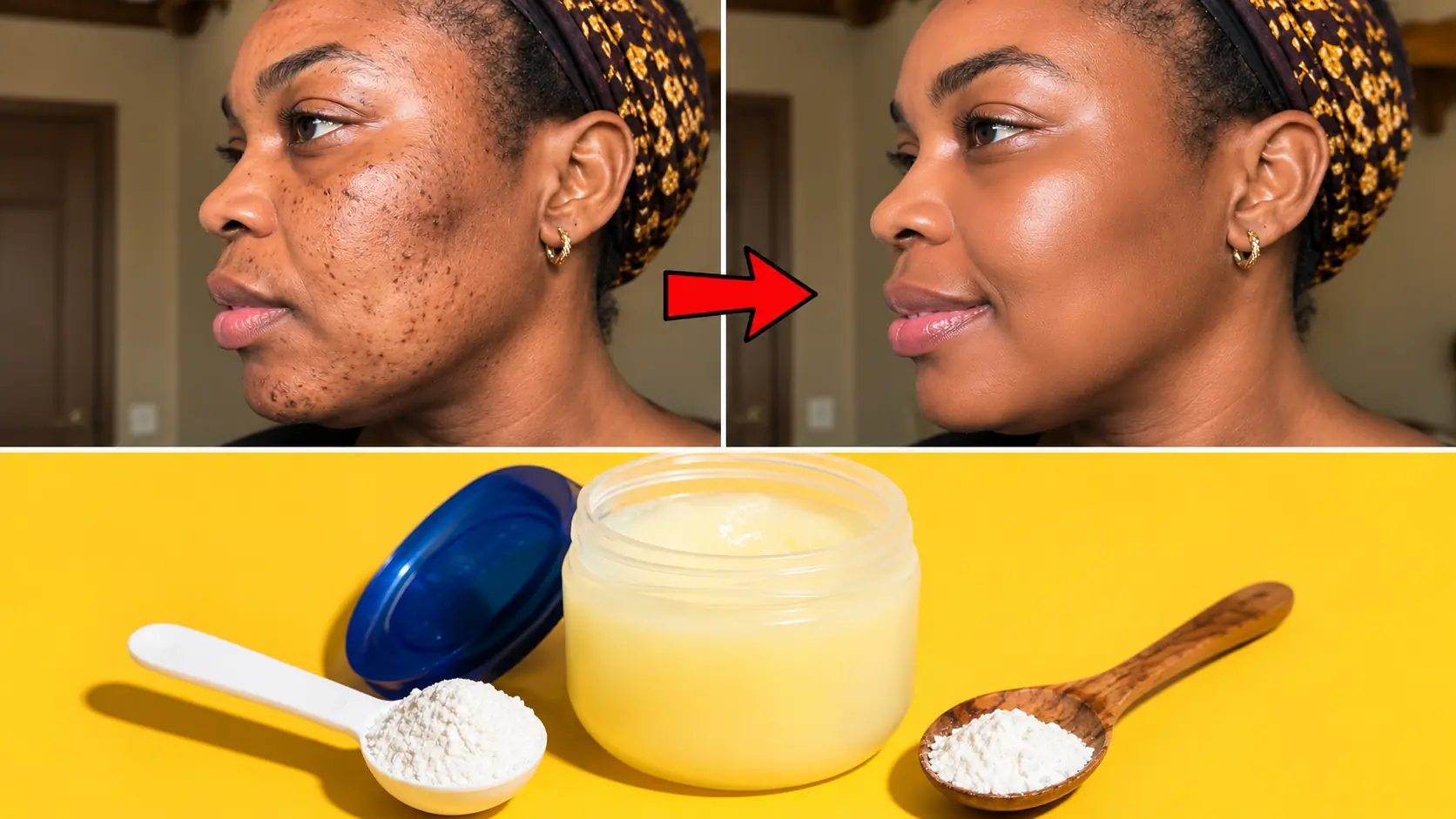
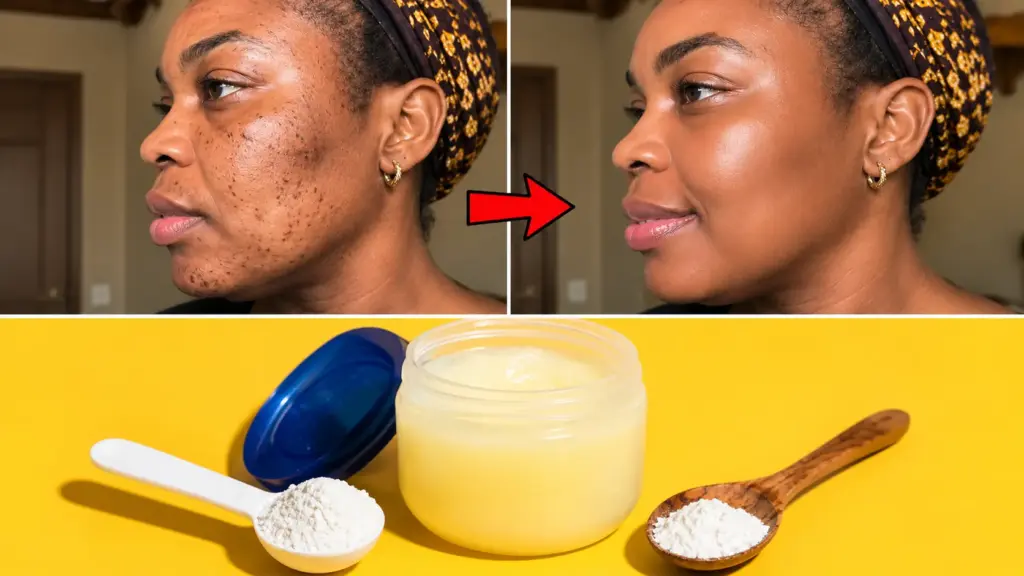
Dermatosis Papulosa Nigra (DPN): These small bumps are usually dark brown or black and may resemble tiny skin tags or warts. They frequently appear on the face and cheeks and are more commonly seen in people with darker skin tones.
Seborrheic Keratosis: These are generally harmless skin growths with waxy, rough, or scaly surfaces. They may appear brown or dark and often have a distinctive appearance, as though they are stuck onto the skin.
2. Medical Treatments Recommended by Dermatologists
Once a dermatologist confirms that a growth is a harmless skin tag, several professional removal procedures may be considered.
Cryotherapy: This treatment involves applying liquid nitrogen to freeze the unwanted growth. The treated tissue gradually dries out and eventually falls away.
Surgical Excision: A healthcare professional carefully removes the skin tag using sterile surgical scissors or a scalpel. Local anesthesia may be used to reduce discomfort during the procedure.
Electrosurgery (Cauterization): This method uses controlled electrical heat to remove the growth while sealing small blood vessels, helping minimize bleeding.
Why Professional Assessment Matters
Before choosing a removal method, it is important to identify the exact type of skin growth. Cutting, burning, or applying harsh chemicals to unidentified bumps can cause unnecessary damage.
Although petroleum jelly can protect dry skin, it should not be considered a skin tag removal treatment. A professional examination helps determine the safest and most appropriate option for your skin.