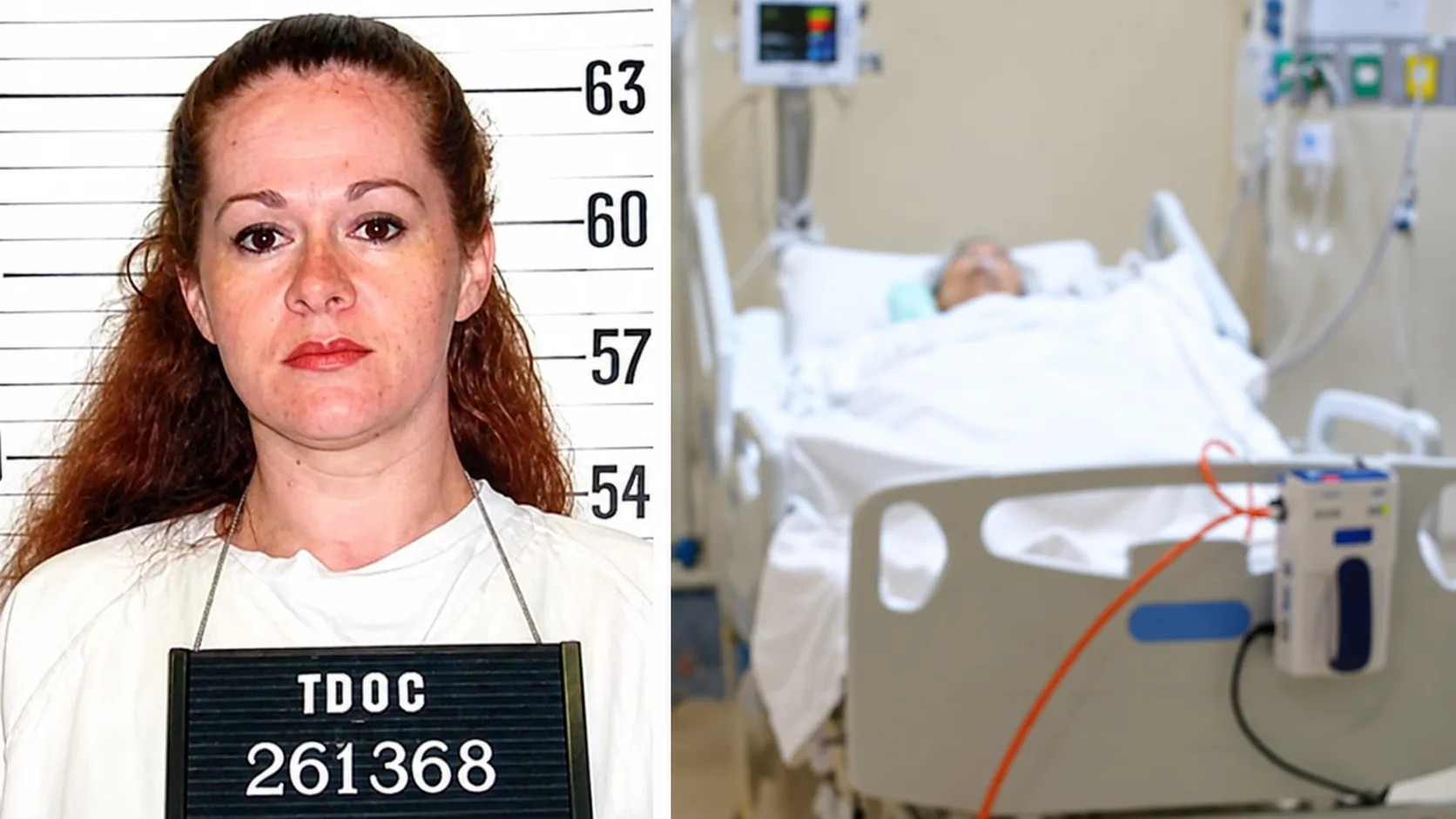
Christa Pike remains in critical condition at a Tennessee hospital following a failed execution attempt, prompting questions online about why doctors cannot simply turn off her life support.
Christa Pike is receiving intensive medical treatment after Tennessee’s attempt to carry out her death sentence at Riverbend Maximum Security Institution ended in serious complications.
The state attempted to execute Pike by lethal injection, but problems during the procedure forced officials to stop and have her transported for emergency medical care.
According to her attorneys, Pike is unconscious, intubated and being kept on a ventilator after receiving two doses of pentobarbital. Her legal team says the execution team spent roughly an hour trying to administer the drugs and used at least seven needles in an effort to establish an IV.
Why People Are Asking About Life Support
After news of Pike’s hospitalization spread, many people online questioned why doctors could not simply remove her from life support and allow the execution to be completed.
Some argued that since she had already been sentenced to death, turning off the machines would simply finish the process.
Others pointed out that doing so would create a completely different legal and medical situation, with hospital staff effectively becoming responsible for causing her death.
Why Doctors Cannot Simply Turn Off the Machines
Once the execution attempt was stopped and Pike was transferred to a hospital, doctors became responsible for treating her as a patient.
Medical professionals cannot simply end a patient’s life because that person is under a death sentence. They are required to follow medical ethics, hospital policies and applicable laws.
An execution must also be carried out through the legally authorized procedure. Hospital doctors cannot independently take over an execution or intentionally cause a patient’s death after an execution attempt has ended.
That means Pike’s medical care is now governed by the rules that apply to other critically ill patients.
What Pike’s Attorneys Say Happened
Pike’s defense team has argued that problems with the IV may have contributed to the failed execution.
According to a court filing, they believe the IV lines may not have been properly placed and that some of the pentobarbital entered surrounding tissue instead of reaching the bloodstream as intended.
Her attorneys also claim the execution team continued attempting to administer the drugs rather than immediately recognizing the problem with the IV.
Defense attorney Randy Spivey said he observed numerous needle marks on Pike’s arm following the attempt and described the process as lasting about an hour.
At one point, Pike was reportedly heard snoring, while officials later stopped the audio feed from the execution chamber.
Her attorney Luke Ihnen has asked the public and media to respect Pike’s privacy while her medical condition remains critical.
Independent Review Ordered
Following the failed execution, Tennessee Governor Bill Lee ordered an independent review of the state’s execution procedures.
The incident has renewed scrutiny of how lethal injections are carried out and what should happen when an execution attempt fails.
For now, Pike remains in the hospital receiving intensive medical care, while her legal team continues to address her rights and the consequences of the failed execution.