In the world of animal rescue, some stories are told through quiet moments rather than dramatic cries for help. Simba, a tiny orange kitten who could not use his back legs, was one such story. His journey showed how patience, veterinary care and compassion can give a vulnerable animal a chance at a better life.
A Silent Kitten in Need of Help
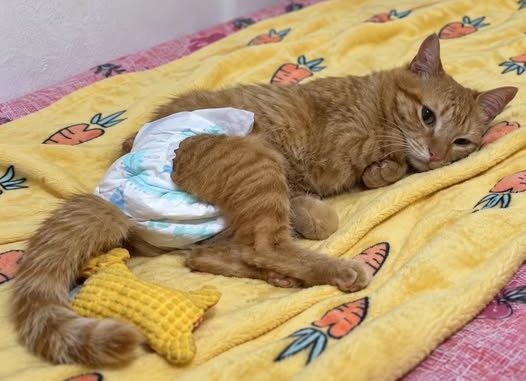
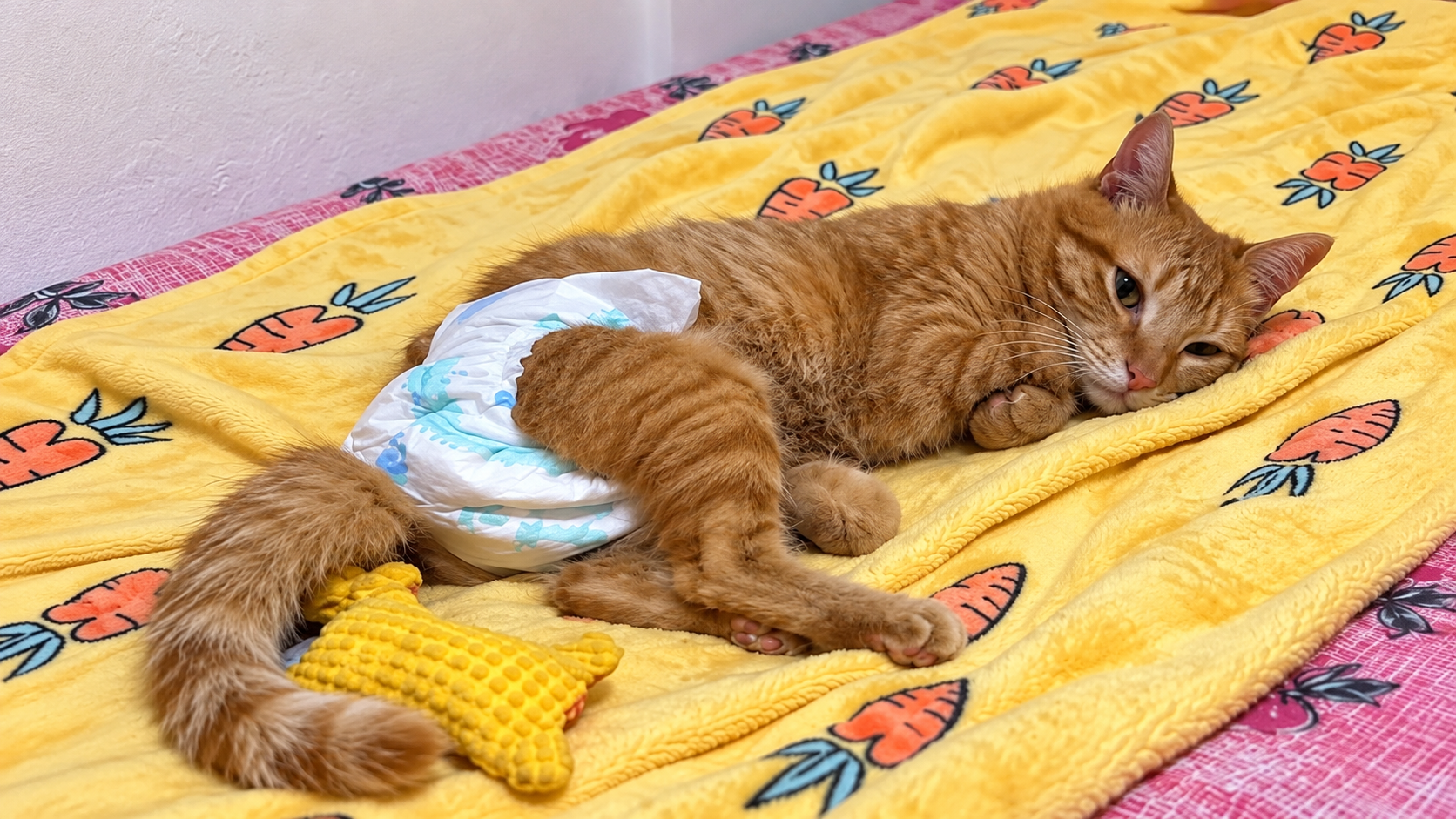
When Simba was discovered, he could not run, jump or move around like other kittens. Despite his soft, clean fur, his small body remained almost motionless.
read more: Cat Found Burned and Abandoned in a Cold Cage—Then His Incredible Fight for Life Began
Rescuers recognized that his limited movement required immediate attention. He struggled with basic activities, including repositioning himself and keeping clean.
His inability to use his back legs raised concerns about possible neurological or spinal problems. However, determining the exact cause of paralysis requires a veterinary examination.
Rather than overlooking the quiet kitten, his rescuers chose to help him.
A Long Journey of Rehabilitation
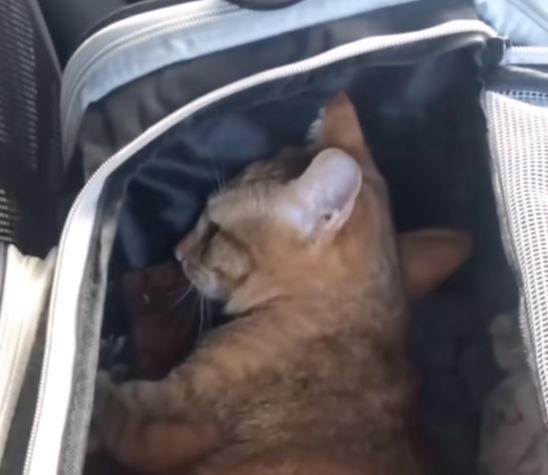
Simba received veterinary attention and ongoing supportive care to address his mobility challenges.
His rehabilitation focused on gentle exercises, physical support and daily routines designed around his abilities. Caregivers helped him practice balance and strengthen the parts of his body he could use.
They also paid close attention to his hygiene and comfort. When necessary, supportive items such as a small diaper helped manage his daily needs.
Progress was slow, and his back legs remained limited in movement. Nevertheless, his caregivers continued celebrating every small improvement.
A slight change in posture, a more attentive gaze or a purposeful tail movement became a meaningful moment in his recovery.
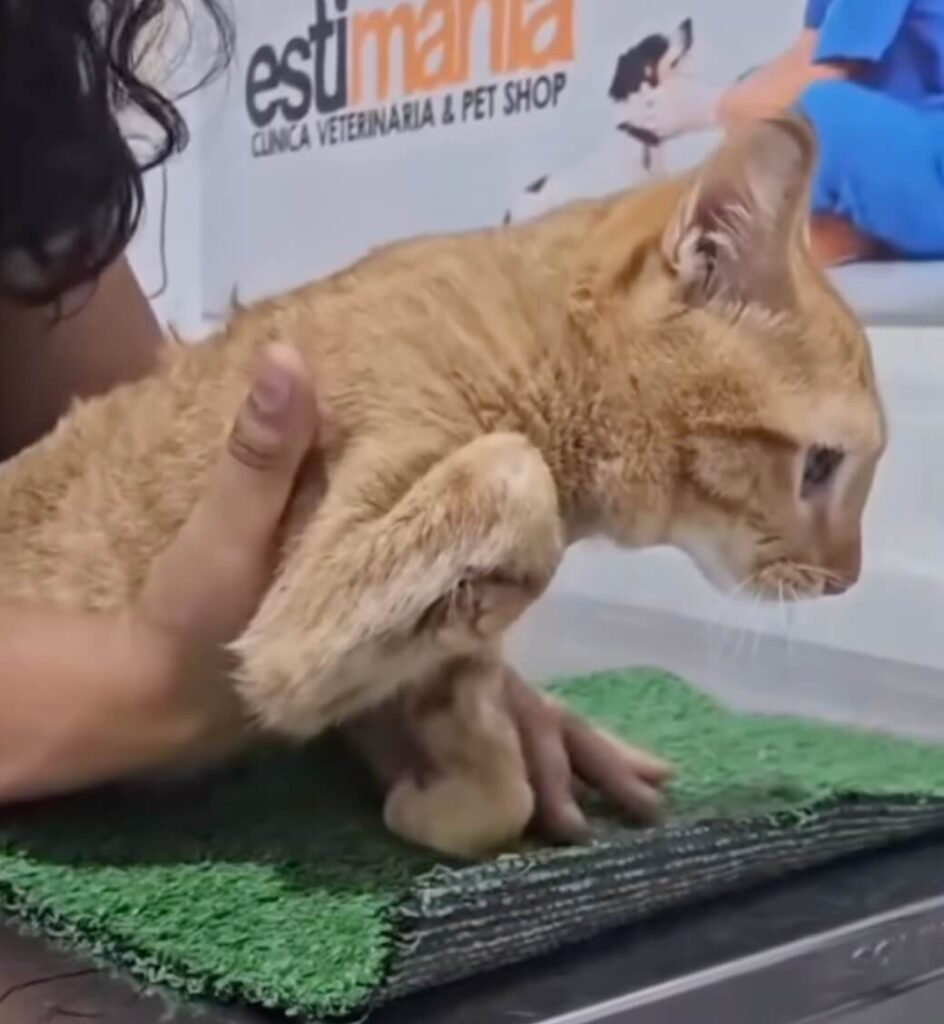
Discovering the World Again
As time passed, Simba began responding more actively to sounds, movement and gentle touches.
His eyes appeared brighter, and he showed greater interest in the people and surroundings around him. These changes demonstrated that his life involved much more than his physical limitations.
His caregivers provided accessible toys, gentle interaction and a comfortable environment where he could explore safely.
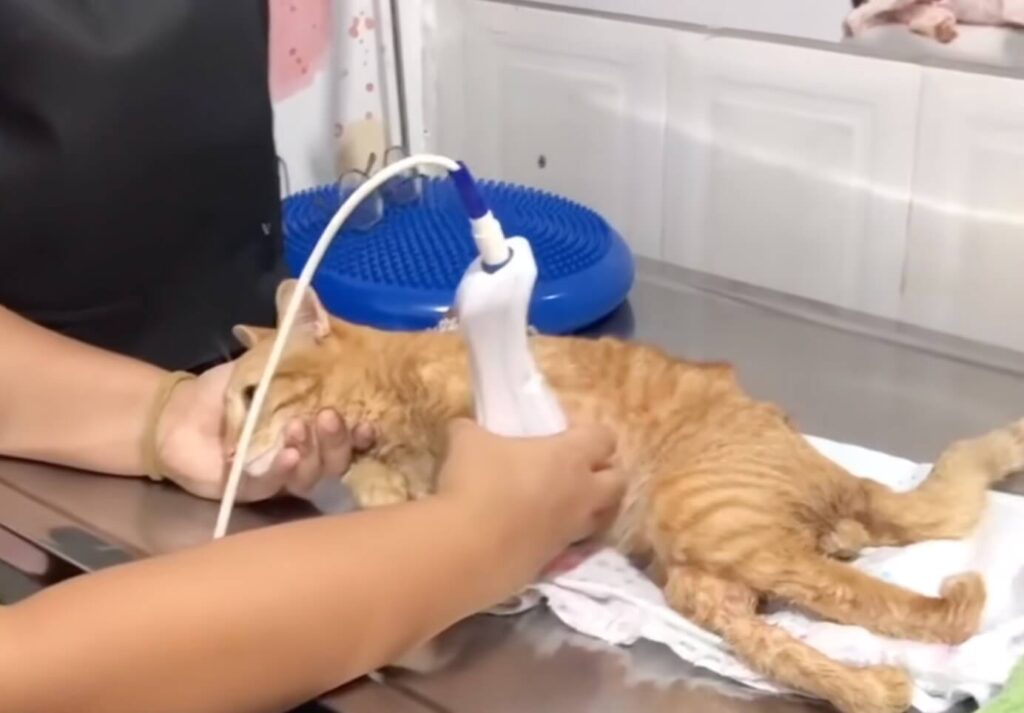
Although Simba did not regain full mobility, he gradually developed his own ways of engaging with the world.
His story became a reminder that an animal’s quality of life is not determined solely by its ability to walk or run.
A Different Kind of Happy Ending
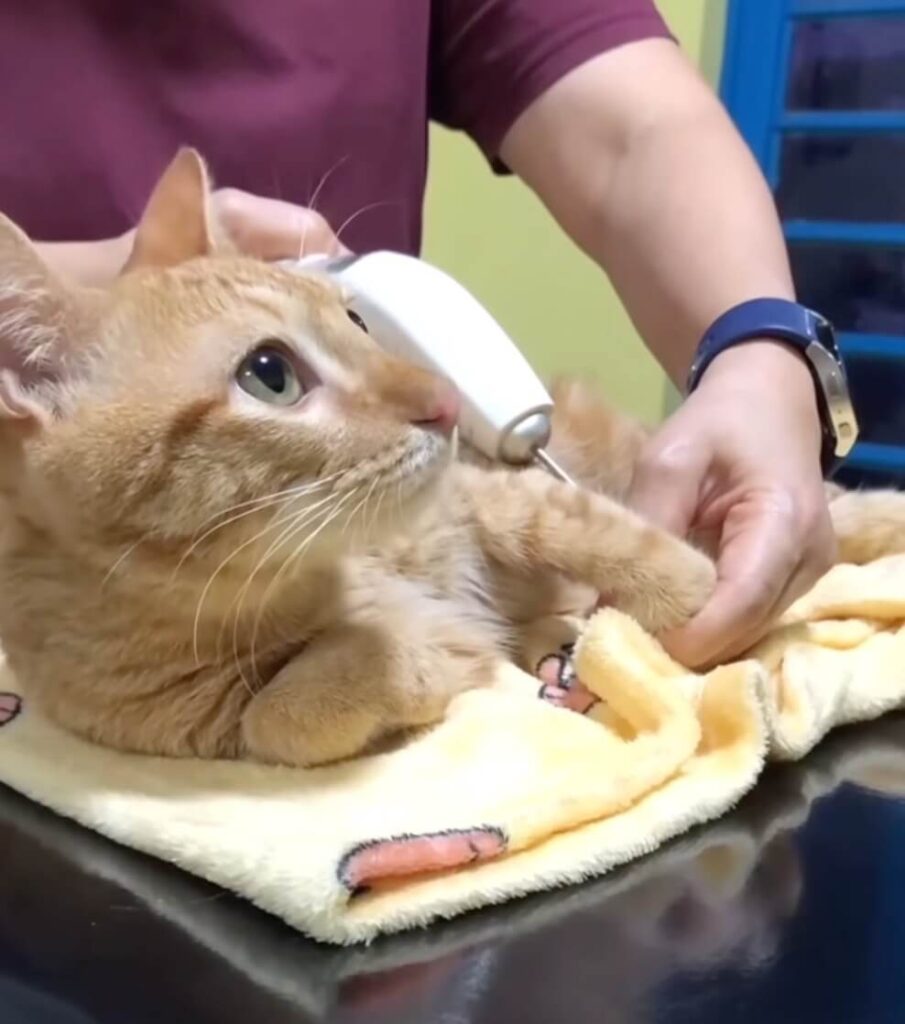
Simba’s journey highlights the importance of supporting animals with disabilities rather than assuming they cannot enjoy fulfilling lives.
With appropriate veterinary guidance, individualized care and a safe environment, many disabled cats can experience affection, curiosity and meaningful relationships.
Not every animal will make a complete physical recovery, and each case requires an individual assessment. What matters is providing the care and support needed to maintain comfort and well-being.
Simba’s rescuers refused to ignore a tiny kitten who could not ask for help in the usual ways.
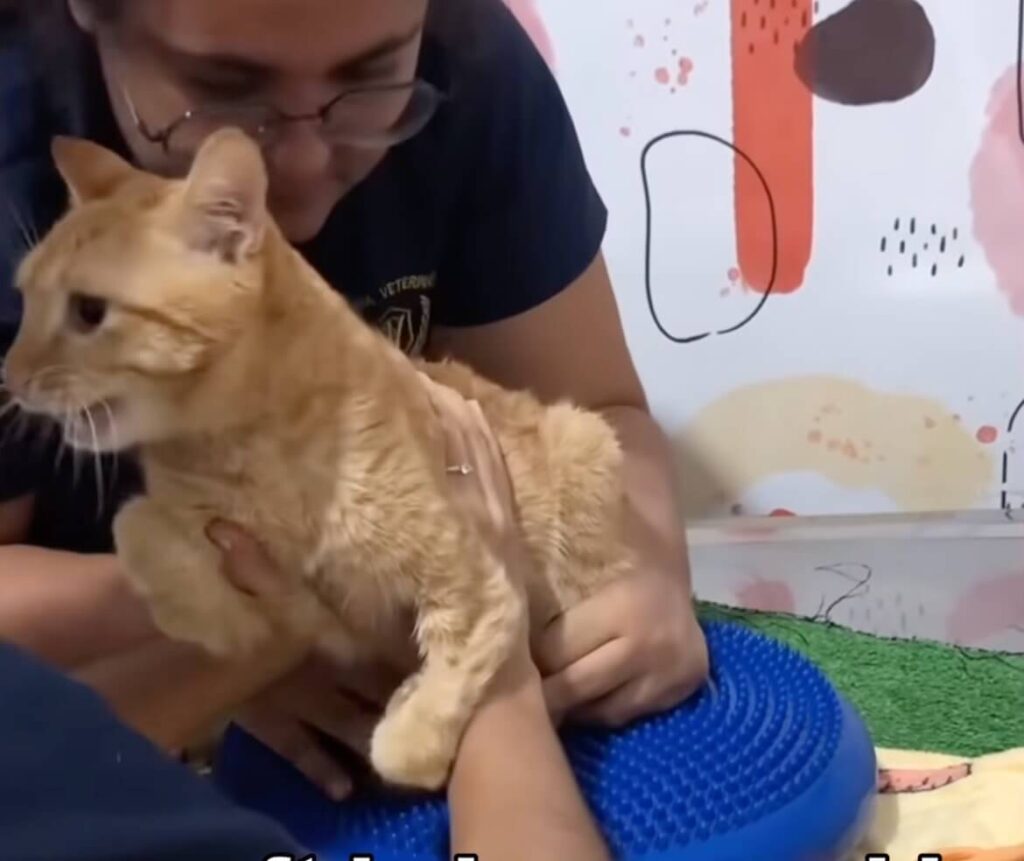
His story reminds us that sometimes the greatest transformation is not learning to walk again, but discovering that the world can still offer safety, companionship and love.
read more: Sick Mama Cat Lies Helpless While Her Tiny Kittens Cry and Desperately Wait for Help
For Simba, every small step toward a happier life began with someone choosing to care.