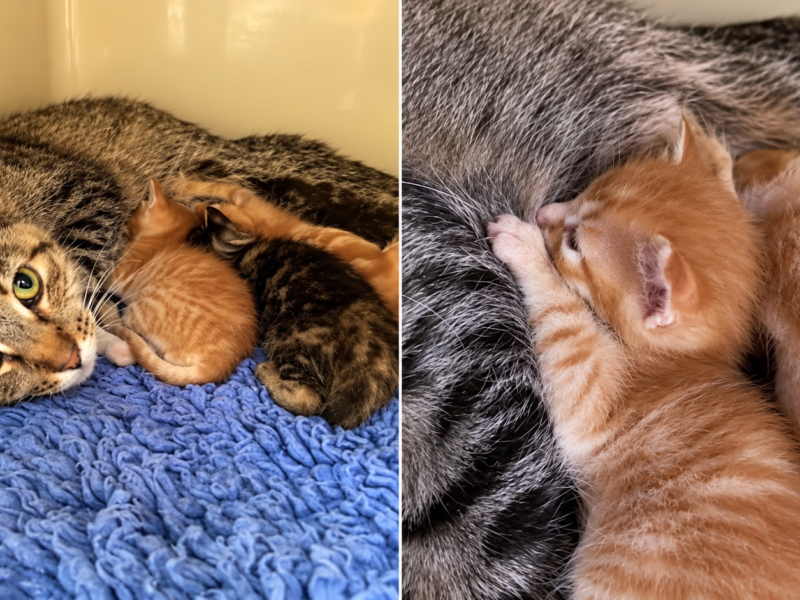
Cats have a fascinating way of communicating with humans, using subtle body movements, facial expressions, and scent signals to express their feelings. Unlike dogs, cats often communicate quietly, making their behavior seem mysterious. However, understanding these signals can help owners build stronger relationships with their feline companions.
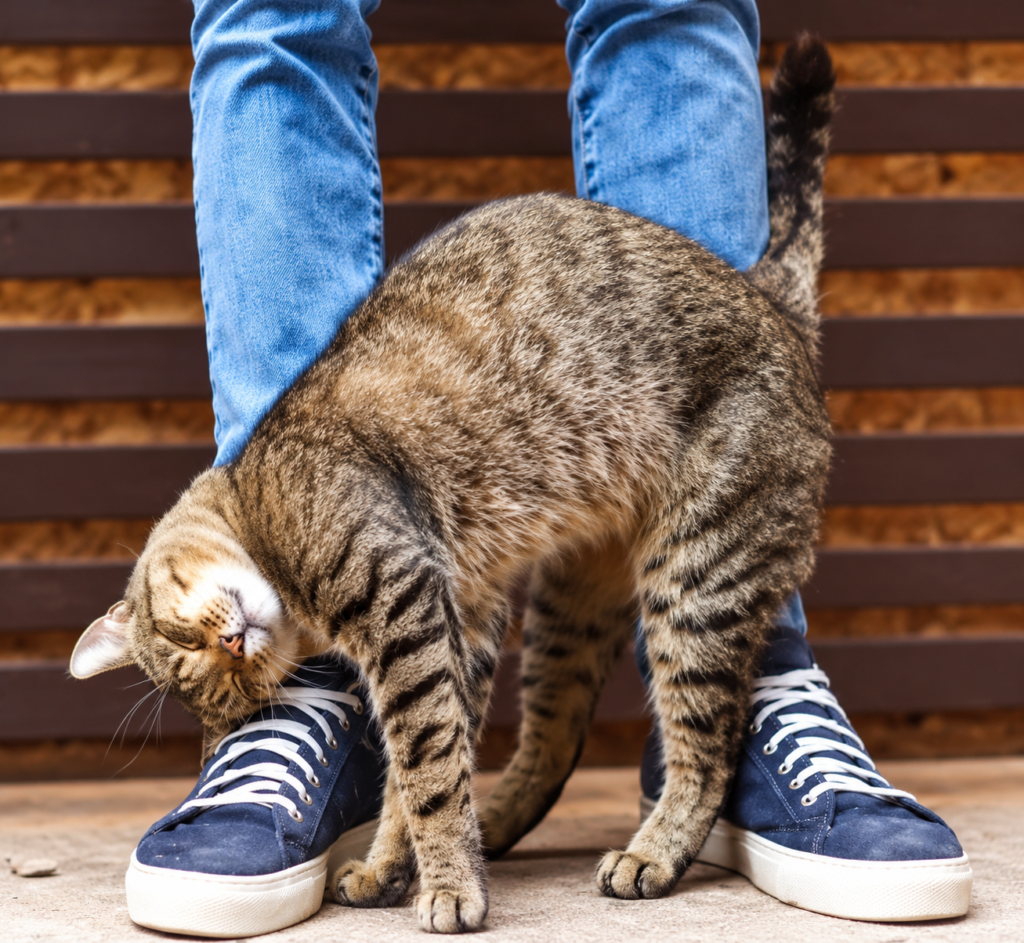
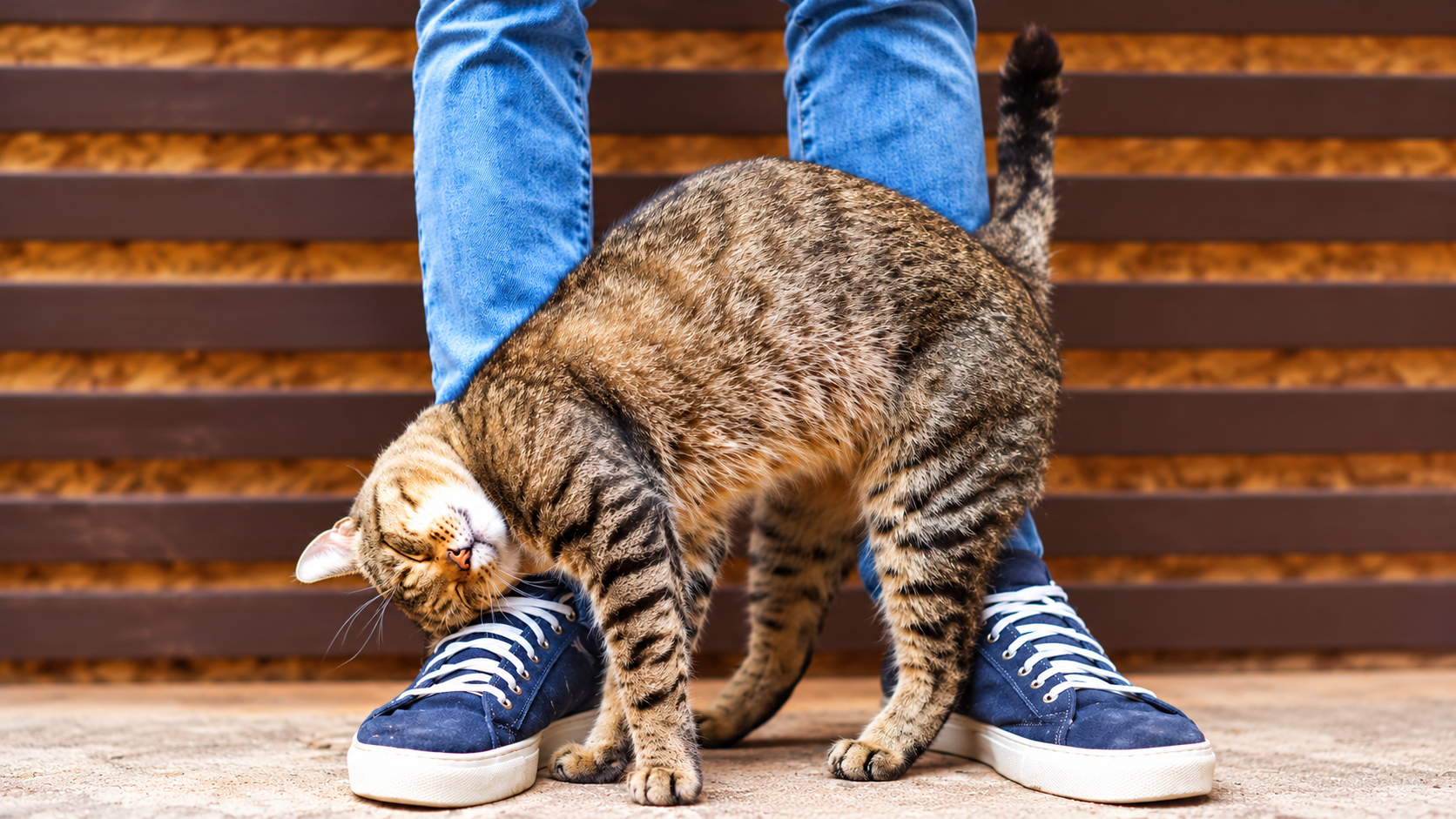
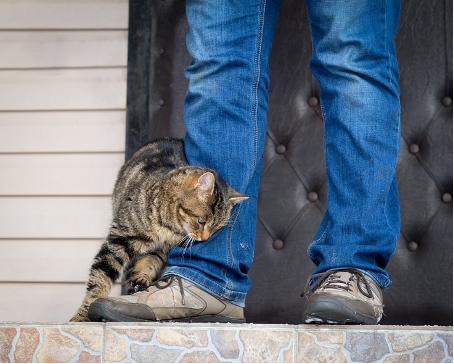
One of the most common feline behaviors is rubbing against people. When a cat brushes its cheeks, body, or tail against your legs, it may be showing affection, greeting you, or seeking attention. Cats have scent glands around their cheeks and other parts of their bodies. By rubbing against you, they leave familiar scents that help them feel comfortable and secure. This behavior can also indicate that your cat considers you a trusted part of its social environment.
Scent marking is another important part of feline communication. Cats use scent to establish familiar territories and communicate with other animals. They may rub against furniture, doorways, or household objects to leave their scent behind. Some cats also spray urine to mark territory, particularly when they feel stressed or notice unfamiliar animals nearby. Sudden changes in marking behavior may require advice from a veterinarian.

Cats also communicate through their ears, eyes, whiskers, and body posture. Relaxed ears and a soft expression often suggest comfort, while flattened ears, tense muscles, and tightly held whiskers can indicate fear or irritation. Recognizing these signals helps owners understand when their cats want attention and when they need space.
Another fascinating behavior is the movement cats make before jumping on a toy or chasing prey. They may lower their bodies, focus intensely, and move their paws before suddenly leaping forward. These actions reflect their natural hunting instincts, which remain strong even in indoor cats that never need to hunt for food.
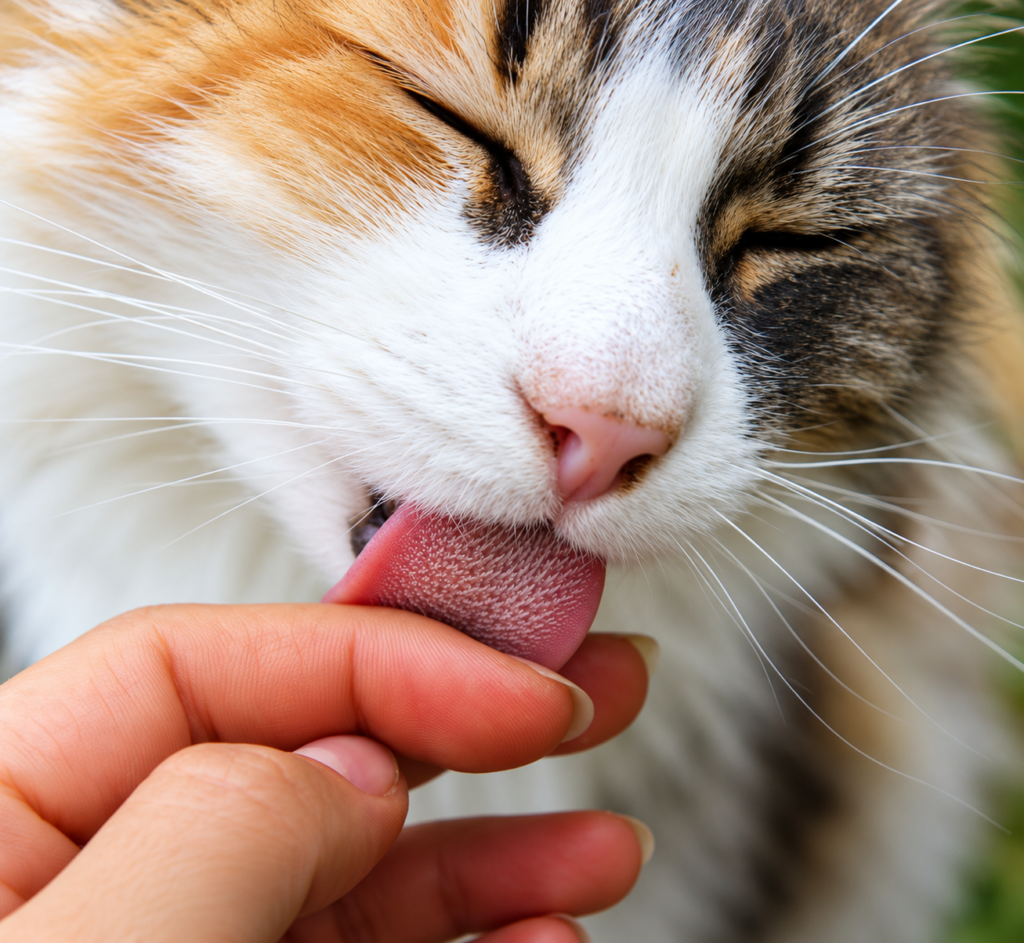
Cats also groom themselves regularly, helping keep their coats clean and sometimes assisting with temperature regulation. However, panting is unusual in cats and may indicate overheating, stress, or a medical problem. If a cat pants while resting or appears distressed, veterinary attention is important.
Creating a comfortable environment can support healthy feline behavior. Scratching posts, interactive toys, quiet resting places, and predictable routines help cats feel safe. Owners should also avoid punishment and instead reward positive behavior.
By learning to recognize these silent signals, cat owners can better understand their pets’ needs, strengthen their emotional bonds, and provide happier, healthier lives for their feline friends.