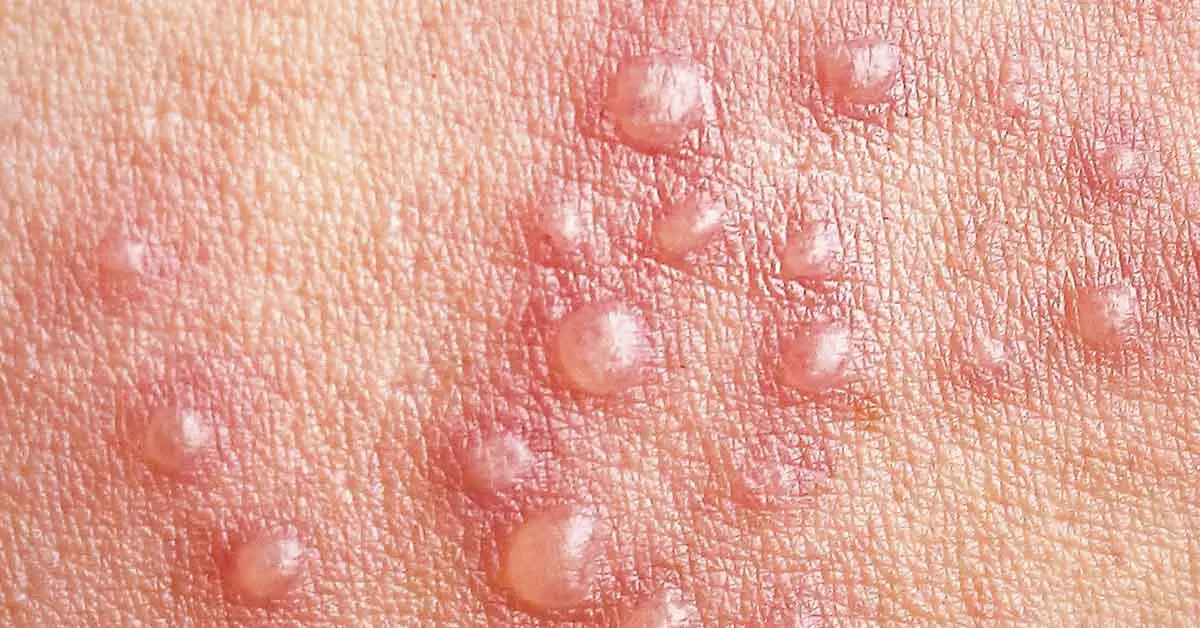
Shingles does not appear without a cause. It develops when the varicella-zoster virus (VZV), the same virus responsible for chickenpox, becomes active again. After chickenpox resolves, the virus remains dormant in nerve tissue for years. The immune system usually keeps it under control, but this protection can weaken over time.
Age-related changes can reduce the T-cell response that helps control the virus. Chronic illnesses and immunosuppressive medications can also weaken immune defenses. When control declines, VZV may reactivate and travel along a sensory nerve toward the skin. Early symptoms often include burning, stabbing, or tingling pain in a specific area. A rash may appear several days later, usually on one side of the body. This condition is known as herpes zoster, or shingles. Its fluid-filled blisters often follow a recognizable nerve distribution before drying and crusting over.
Most cases heal within two to four weeks, although nerve pain can last much longer. Some people develop postherpetic neuralgia, a complication that causes persistent pain after the rash disappears. Sleep may become difficult, and even clothing touching the skin can cause discomfort. Shingles affecting the face requires urgent attention if the eye may be involved, because complications can threaten vision.
During the blister stage, fluid from the rash can transmit VZV to people without immunity, potentially causing chickenpox rather than shingles. Early medical attention matters because antiviral treatment works best when started promptly. Vaccination can prevent many cases and reduce the risk of complications. Recognizing the warning signs helps people seek care and protect vulnerable contacts.
Where VZV Hides for Years
Many people assume chickenpox is an illness that disappears permanently once the symptoms resolve. However, the Centers for Disease Control and Prevention (CDC) explains that the virus remains dormant in the dorsal root ganglia after infection.
These nerve clusters sit alongside the spinal cord and connect with areas of skin through sensory nerves. Dormancy does not mean the virus has disappeared. Instead, it persists inside nerve cells with limited activity while immune defenses help prevent it from multiplying.
This explains why shingles can develop without a new exposure to someone with chickenpox. The virus is already inside the body. When it reactivates, it begins in a nerve ganglion and travels outward along a sensory nerve.
The CDC describes shingles as a painful rash that progresses from raised skin lesions to fluid-filled blisters. This process reflects viral activity in the skin and the inflammation it causes. Nerve inflammation can also produce significant pain before any visible rash develops.
Some people experience discomfort while their skin still looks completely normal. This delay can make the condition difficult to recognize and postpone treatment. Understanding this early stage is important because antiviral medication is most effective when started promptly.
Why the Immune System Loses Ground
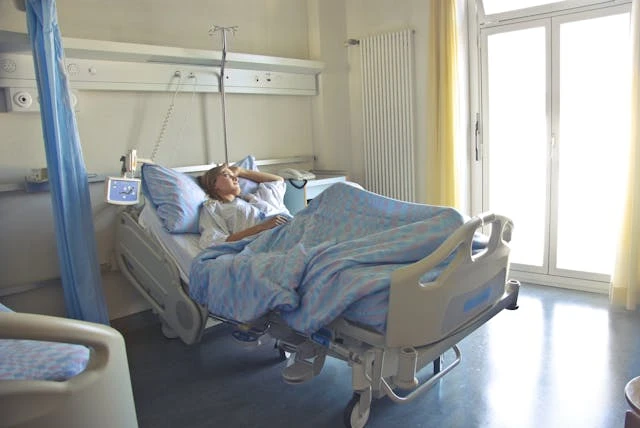
Shingles risk increases when VZV-specific immunity declines with age or immune suppression, allowing the virus to reactivate. Image Credit: Pexels
Age is one of the most important risk factors for shingles. According to the CDC, the risk of shingles and its complications, including hospitalization, rises sharply after age 50.
As people grow older, immune signaling changes and certain T-cell responses become less effective. These changes may develop gradually without noticeable symptoms. Eventually, however, the immune system may become less capable of keeping VZV under control.
Immune suppression can create similar risks in younger people. Cancer treatments, transplant medications, and HIV infection can weaken the immune responses needed to control the virus.
When these defenses are compromised, shingles may become more extensive, and serious complications become more likely. In some cases, disseminated shingles develops, causing lesions beyond the usual affected nerve area.
The Earliest Signs Before the Rash
Shingles frequently begins before blisters appear. People may notice burning, stabbing, tingling, or unusual sensitivity in a small area of skin. Even light contact from clothing may become uncomfortable despite the absence of visible changes.
Because the symptoms are initially hidden, some people mistake them for muscle strain, a pinched nerve, or another minor problem.
One important clue is the distribution of the discomfort. Shingles often follows a dermatome, an area of skin supplied by a particular sensory nerve root. This pattern can help clinicians recognize the condition before the rash becomes obvious.
The rash usually appears within several days and typically remains on one side of the body without crossing the midline. The CDC notes that it most commonly develops around either the left or right side of the body.
Red spots may develop into fluid-filled blisters that eventually crust over. The torso is a common location, although the face can also be affected. Any suspected shingles rash near the eye requires urgent medical assessment.
Shingles can recur, so having an earlier episode does not provide lifelong protection. Recognizing the symptoms remains important even for people who have experienced the condition before.
What Reactivation Does to Nerves and Skin
Reactivation affects more than the skin. VZV travels along sensory nerves, causing inflammation and triggering pain signals as it moves toward the skin’s surface.
The resulting discomfort may feel deep, sharp, or burning rather than simply itchy. In some cases, the virus damages sensory nerve fibers and changes how the nervous system processes touch.
This can cause allodynia, a condition in which normally harmless contact becomes painful. Nighttime discomfort may interfere with sleep, and prolonged sleep disruption can make pain harder to manage.
Treatment may therefore need to address both the viral infection and its effects on pain and sleep.
The CDC describes herpes zoster as a localized, usually painful skin eruption caused by reactivation of latent varicella-zoster virus. Its typical distribution and associated pain help distinguish it from many other skin conditions.
Because the virus is already present in the body, a new exposure is not necessary for shingles to develop. However, fluid from active blisters can still transmit VZV to susceptible individuals. Keeping the rash covered helps reduce this risk.
Postherpetic Neuralgia and Long-Lasting Pain
Postherpetic neuralgia (PHN) is the most common long-term complication of shingles. It involves persistent nerve pain that continues after the rash has healed.
Even gentle contact can trigger discomfort, making dressing, bathing, and everyday activities difficult. Some people experience nerve-related itching, while others struggle with disrupted sleep and reduced quality of life.
Persistent pain can also affect mood and make daily routines harder to maintain. Although improvement is possible, some people need continued medical follow-up and individualized treatment.
The CDC defines PHN as pain that remains in the affected area for more than 90 days after the rash begins. It estimates that approximately 10% to 18% of people with shingles develop this complication.
The risk increases with age and may be greater when the initial pain is severe. Preventing shingles through vaccination can therefore prevent many cases of PHN as well.
Early antiviral treatment may also reduce disease severity and the risk of certain complications, although it cannot guarantee that persistent pain will be avoided.
When Shingles Threatens Vision or Spreads
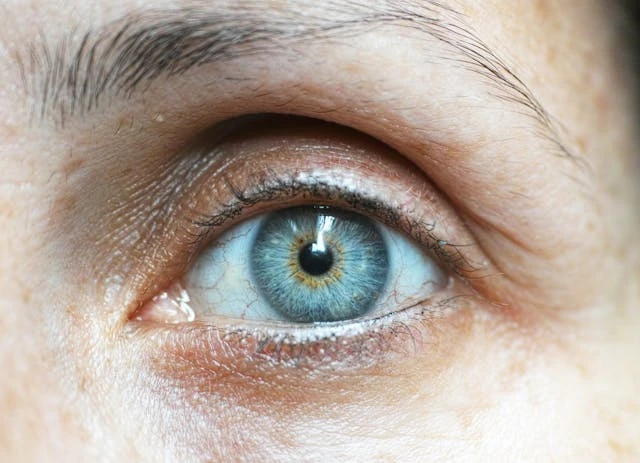
Shingles can threaten vision when it affects the nerves serving the eye and may become more extensive in people with weakened immune systems. Image Credit: Pexels
Shingles affecting the area around the eye requires urgent medical attention. When VZV involves the ophthalmic branch of the trigeminal nerve, the condition is called herpes zoster ophthalmicus.
The CDC warns that this form can cause acute or chronic eye complications, including vision loss.
Eye pain may begin before obvious blisters appear. Redness, sensitivity to light, or blurred vision should prompt rapid medical assessment. Early antiviral treatment can help limit viral activity, while an eye specialist may recommend additional treatment and monitoring.
Delays can increase the risk of lasting damage.
Shingles can also spread beyond its usual localized pattern. Disseminated zoster involves lesions outside the primary or neighboring nerve distributions and is more likely in people with weakened immune systems.
In severe cases, VZV can affect internal organs, including the brain, lungs, or liver. Neurological complications may include encephalitis or meningoencephalitis.
Although these complications are uncommon, they can become serious quickly. Confusion, a severe headache, or other significant neurological symptoms during a suspected shingles episode require urgent medical care. Hospital treatment may include intravenous antiviral medication and close monitoring.
Shingles and Stroke Risk
VZV may affect blood vessels as well as nerves. Research has identified an association between shingles and an increased risk of stroke, particularly in the period shortly after infection.
A nationwide Danish cohort study led by Nandini Sreenivasan and colleagues examined national health records from 1995 to 2008. The researchers reported a 127% increase in relative stroke risk during the first two weeks after a shingles episode, with a 95% confidence interval of 83% to 182%.
The study received funding from the Danish Heart Foundation, and the authors stated that the funder had no role in the research.
The analysis used antiviral treatment as an indicator of shingles episodes. Its findings demonstrate an association, not proof that every shingles case causes a stroke. Individual risk depends on factors such as age and existing cardiovascular conditions.
The researchers also reported a smaller increase in risk after one year. One possible explanation is VZV-related vasculopathy, in which inflammation affects blood vessel walls and may contribute to clot formation.
Anyone experiencing sudden weakness, facial drooping, or difficulty speaking should seek emergency medical assistance. After shingles, clinicians may also review cardiovascular risk factors, particularly in people who already have an elevated risk.
Diagnosis and the Early Antiviral Treatment Window
Doctors often diagnose shingles by examining the rash, its location, and the associated pain. Early cases can be more difficult to identify, particularly before blisters develop, because the initial symptoms may resemble other conditions.
Laboratory testing may be useful when the presentation is unusual or the diagnosis is uncertain. However, the timing of treatment is important.
MedlinePlus explains that antiviral medicines work best when started within 72 hours of the first pain or burning. Because these symptoms may precede the rash, contacting a healthcare professional promptly can make a difference.
Antiviral medications such as valacyclovir and acyclovir are commonly used, depending on the patient’s circumstances. Age, kidney function, and other medical factors can influence the appropriate medication and dosage.
Treatment may also include pain relief, medicines targeting nerve pain, and support for sleep. Keeping the affected skin clean and covered can help reduce irritation and lower the risk of spreading the virus.
Antibiotics do not treat VZV itself. They are used only when a bacterial infection is also present.
Vaccination and Practical Prevention at Home
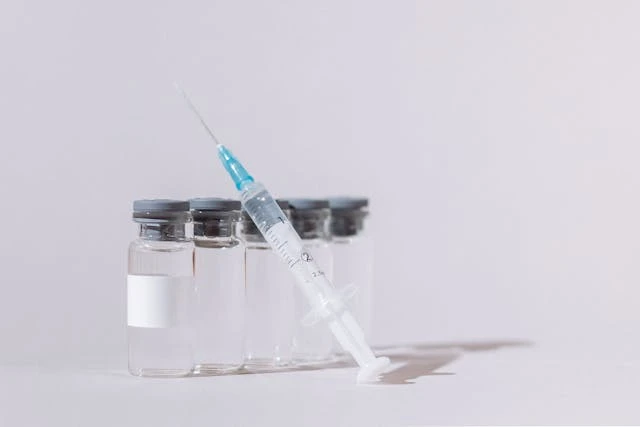
Shingrix vaccination and careful coverage of active shingles lesions can help prevent illness, reduce complications, and limit household exposure. Image Credit: Pexels
Vaccination is an important way to prevent shingles and reduce the risk of postherpetic neuralgia.
The CDC recommends two doses of Shingrix, generally separated by two to six months, for immunocompetent adults aged 50 and older. It also recommends two doses for adults aged 19 and older who are or will be immunodeficient or immunosuppressed because of disease or treatment.
Large clinical trials have demonstrated strong protection. In the ZOE-50 trial, researchers led by H. Lal reported an overall vaccine efficacy of 97.2% against shingles. The trial was funded by GlaxoSmithKline Biologicals.
A related study in older adults, led by A. L. Cunningham and colleagues, also examined the vaccine’s effectiveness and safety.
Prevention remains important during an active outbreak. Shingles itself does not spread from one person to another as shingles. However, fluid from the blisters can transmit VZV to someone who lacks immunity, potentially causing chickenpox.
Keeping lesions covered reduces exposure. People with active shingles should avoid close contact with newborns and immunocompromised individuals who may be susceptible until the blisters have crusted over.
Good hand hygiene is important after touching the rash or changing dressings. Towels and bedding should not be shared while lesions are active.
After recovery, persistent nerve pain should not simply be dismissed as a normal part of aging. Treatment for PHN can be adjusted over time, and appropriate care may improve comfort and daily functioning.
Conclusion
Shingles develops when varicella-zoster virus, which remains in the body after chickenpox, becomes active again. Age-related immune changes, certain illnesses, and immunosuppressive medications can increase the likelihood of reactivation.
The first warning sign may be burning or stabbing pain along a sensory nerve, followed days later by a rash that usually affects one side of the body. Although the skin often heals within a few weeks, nerve damage can cause pain that persists and interferes with sleep, concentration, and everyday activities.
Postherpetic neuralgia is an important complication. The CDC estimates that approximately 10% to 18% of people with shingles develop this long-lasting pain. Early treatment can help manage the illness and may reduce the risk of some complications.
MedlinePlus advises that antiviral medicines are most effective when started within 72 hours of the first pain or burning. Anyone who suspects shingles should contact a healthcare professional promptly, especially if they are over 50, have a weakened immune system, or develop symptoms near an eye.
Vaccination provides an important additional layer of protection. The CDC recommends two doses of Shingrix for eligible adults, including adults aged 50 and older. Vaccination is recommended even for people who have previously had shingles, subject to the applicable guidance.
If shingles develops, keep the rash covered, practice careful hand hygiene, and avoid close contact with susceptible people until the blisters have crusted over. Recognizing the warning signs, seeking timely care, and following prevention guidance can help reduce the burden of this painful condition.