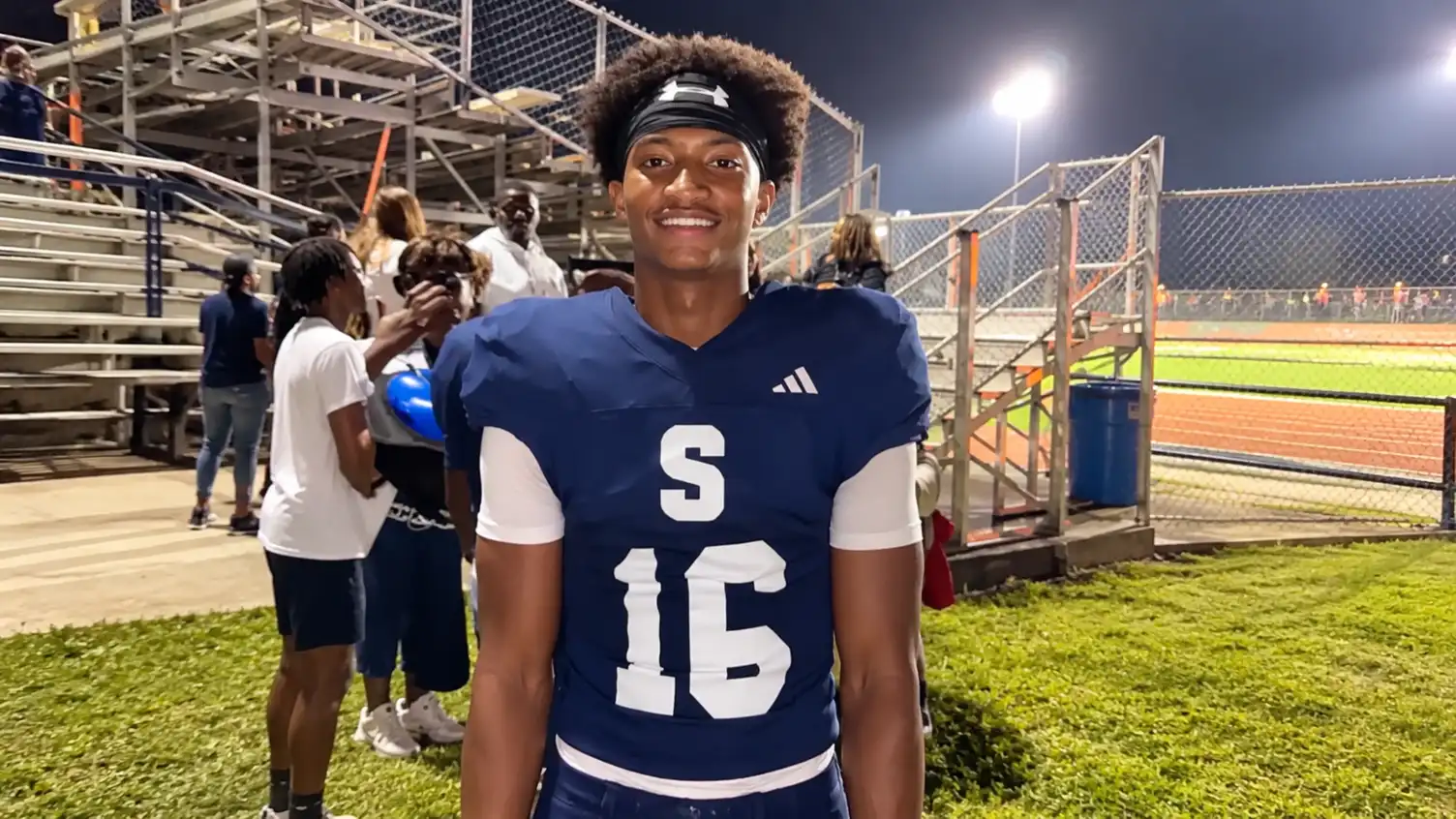
The private text messages involving Nolan Wells do not appear to show friends simply worrying about a missing companion. Instead, the conversations reveal a group expressing suspicion, urging one another to remain silent, seek legal advice, and stick to what they knew while the 18-year-old was still missing.
A 292-page Snapchat log obtained through Garrett Discovery and verified by The NC Beat reportedly contains 29 group chats involving Wells. Messages continued arriving on his phone even after his death. The conversations reveal panic, uncertainty, and concerns about how the group might be perceived.
The Trip, the Phone Left Behind, and Immediate Suspicions
Wells, a college football player, traveled with friends to Horn Island on July 4 for a boat party. The group left during the afternoon after their boat, the Triton, began taking on water, while Wells remained behind.
His phone was last unlocked at approximately 2:17 p.m. and remained locked until his family retrieved it early the following morning.
By late morning on July 5, the group chats had taken a more suspicious tone. One message stated, “There is def some sus s— going on.” Another person recalled seeing Wells leave their boat with another man around 6 p.m. and walk toward a different vessel.
Friends questioned why he would have left his phone behind if he intended to travel with someone else. One message asked, “if he was gone ride with somebody else why would he leave his phone on the boat.”
Earlier Snapchat messages, highlighted by the family’s attorney, Ben Crump, reportedly mentioned “sketchy looking guys” aboard nearby boats. Concerns about possible criminal backgrounds and personal safety were also discussed among the young people on the island.
From Searching for Wells to Discussing What to Say
When news emerged on July 6 that Wells had been found face down in the water, the conversations reportedly shifted quickly from searching for him to concerns about the group’s potential legal exposure.
One message read, “They got him.” Shock and grief were followed by messages urging members of the group to be cautious about what they said.
Several messages included instructions such as:
“Don’t speculate about s— yall.”
“Bc they can try to get your ass.”
“just stick to what you know happened.”
“We have nothing to hide.”
One message explicitly advised anyone questioned by investigators to request a lawyer, explaining that doing so did not mean someone was guilty but could help protect them from potential bias.
Later conversations reportedly addressed online accusations that the group was concealing information. Some members also discussed attending the funeral alongside other Black friends, saying they wanted to make a statement to the media.
Grand Jury Finds No Crime, but the Family Still Sees Unanswered Questions
A Jackson County grand jury returned a unanimous no-true-bill decision, meaning it did not find sufficient grounds to bring criminal charges. Following 132 subpoenas and testimony from 43 witnesses, investigators considered GPS records, video footage, and phone data.
The grand jury concluded that the position, condition, and location of Wells’ body were consistent with drowning. However, both the state medical examiner and the family’s independent pathologist, Dr. Roger Mitchell, reportedly listed the official cause and manner of death as undetermined.
Nonfatal bruising on the back of Wells’ head was noted. Investigators reportedly found no fatal injury, drugs, or evidence of a fight on the day he died.
The grand jury stated that there was “no credible evidence” of criminal conduct by Wells’ friends and “absolutely no evidence” of a racial motive. It also criticized public accusations against the group, attributing them to public pressure and private malice.
Nevertheless, the family, represented by Ben Crump, has continued to question whether the circumstances surrounding Wells’ death have been fully explained.
Some messages were reportedly unsent by their authors between Wells’ last phone activity and the time his parents recovered the device. Members of the group have denied wrongdoing and filed defamation lawsuits in response to claims circulating online.
The messages have fueled further public discussion, but their meaning must be considered alongside the investigation’s findings. Suspicious-sounding conversations alone do not establish that anyone committed a crime, and the grand jury’s decision did not resolve every question the family continues to raise.