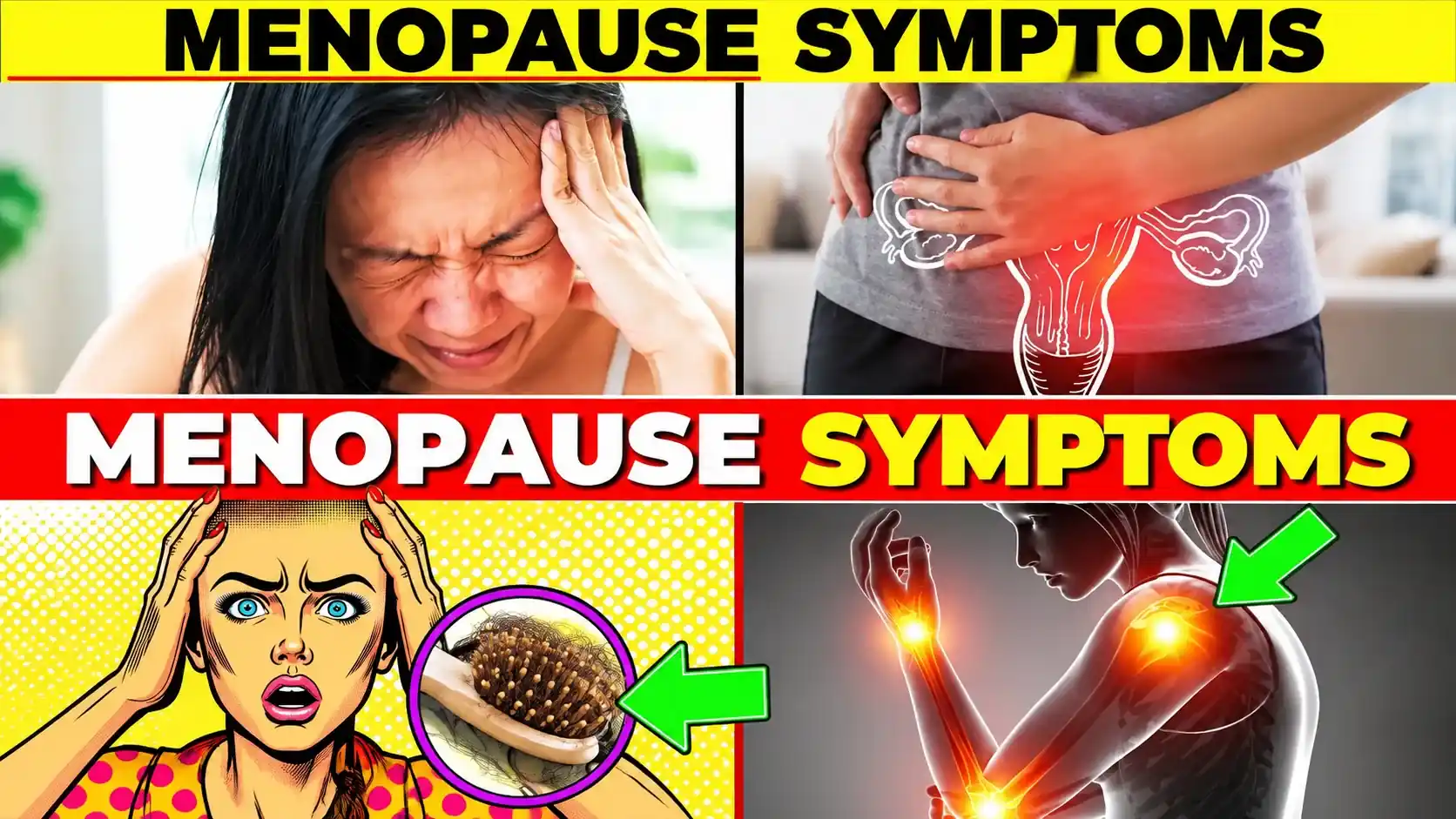
Menopause is a natural stage in every woman’s life, marking the end of her reproductive years. It is officially reached after 12 consecutive months without a menstrual period and most commonly occurs between the ages of 45 and 55. During this transition, changing levels of estrogen and progesterone can affect the body and emotions, causing symptoms that may vary from woman to woman.
Understanding these changes can help women recognize common menopause symptoms and take practical steps to support their well-being.
One of the most noticeable symptoms is headaches and mood changes. Fluctuating hormone levels may trigger headaches or migraines in some women. Emotional changes are also common, including irritability, anxiety, sudden mood swings, difficulty concentrating, and brain fog. These experiences can sometimes affect daily activities, relationships, and sleep.
Abdominal and pelvic discomfort may also develop during perimenopause, the transitional stage before menopause. As ovulation becomes irregular, menstrual periods may change in frequency and flow. Some women experience lower abdominal cramps or pelvic discomfort. However, severe, persistent, or unexplained pelvic pain should not automatically be attributed to menopause and should be evaluated by a healthcare professional.
Another possible change is hair thinning and increased hair shedding. Estrogen levels decline during menopause, which may influence hair growth and texture. Women might notice that their hair becomes finer, less dense, or more fragile. Other factors, including stress, nutritional deficiencies, and thyroid conditions, can also contribute to hair loss.
Joint and muscle pain is another concern reported by some women during this stage of life. Hormonal changes may contribute to discomfort, stiffness, and changes in how the body responds to inflammation. Regular gentle exercise, stretching, adequate sleep, and a balanced diet may help support mobility and overall health.
Menopause can also affect sleep, energy levels, and general comfort. Although these changes are natural, women do not need to suffer through troublesome symptoms without support. Maintaining healthy habits, managing stress, and discussing persistent symptoms with a qualified healthcare professional can help identify suitable treatment options.
Every woman experiences menopause differently. Learning about its possible symptoms makes it easier to understand bodily changes and recognize when medical advice may be needed. With the right information, appropriate care, and healthy daily routines, women can navigate this transition with greater confidence and continue enjoying an active, fulfilling life.