I have always tried to take care of my health, but learning about the signs of clogged arteries made me realize how quietly heart-related problems can develop. It is frightening to think that plaque can gradually build up inside our blood vessels without obvious warning signs. Yet recognizing potential symptoms and seeking medical attention can help prevent serious complications, including heart attacks and strokes. Awareness is the first step, and taking action is the next. Let’s explore both.
Arteries act like highways that carry oxygen-rich blood throughout your body. They transport blood from your heart to your brain, muscles, and other vital organs. Healthy arteries allow blood to flow freely, but plaque buildup can narrow them and restrict circulation, increasing the risk of serious cardiovascular complications.
Why Knowing Matters
Recognizing the signs of clogged arteries is important because early medical evaluation can help identify problems before they become more serious. Healthy lifestyle choices, including a balanced diet and regular physical activity, can support cardiovascular health. Depending on your individual risk factors and medical condition, your doctor may also recommend medication or other treatments. If you experience any of the following warning signs, seek appropriate medical advice.
1. Nausea

Nausea can develop for many different reasons, including digestive problems, infections, and medication side effects. However, it can sometimes accompany a heart attack, particularly when it occurs alongside chest discomfort, sweating, or shortness of breath. Persistent or unexplained nausea deserves medical attention, especially when other concerning symptoms are present.
2. Chest Pain (Angina)
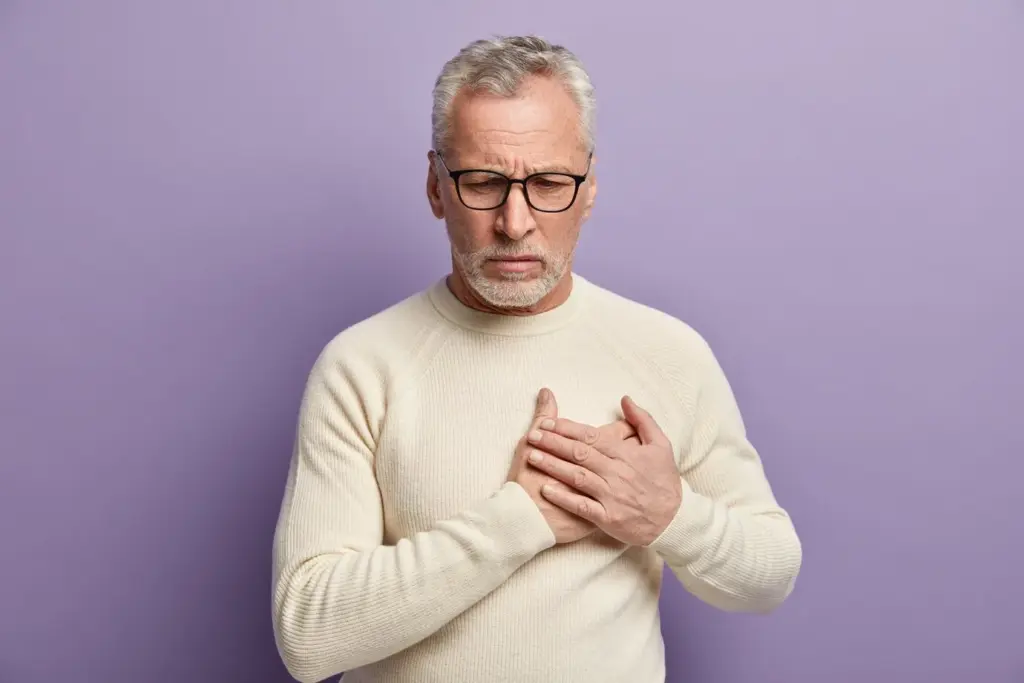
Chest pain, also known as angina, can occur when the heart muscle does not receive enough oxygen-rich blood, sometimes because coronary arteries have narrowed due to plaque buildup. The discomfort may occur near the breastbone and spread to the arm, shoulder, jaw, or upper back. New, severe, or unexplained chest pain should never be ignored. If you suspect a heart attack, seek emergency medical help immediately.
3. Shortness of Breath

Feeling breathless while performing ordinary activities or even resting can indicate an underlying health problem. Although shortness of breath can result from several conditions, it may sometimes be associated with heart disease or reduced blood flow to the heart. A blockage in the pulmonary arteries is another serious condition, but it is different from the plaque buildup commonly associated with clogged arteries. Unexplained or persistent breathing difficulties require medical assessment, and sudden severe breathlessness is an emergency.
4. Weakness or Numbness on One Side

When arteries supplying the brain, including the carotid arteries in the neck, become narrowed or blocked, blood flow to the brain may be reduced. This can contribute to a stroke or transient ischemic attack (TIA). Warning signs include sudden weakness or numbness on one side of the body, facial drooping, or difficulty moving an arm or leg. These symptoms require immediate emergency medical attention, even if they disappear after a few minutes.
5. Slurred Speech

Slurred speech can have several causes, but a sudden change in speech may be a warning sign of a stroke. If blood flow to areas of the brain responsible for language and speech becomes interrupted, a person may struggle to speak clearly or understand others. Sudden slurred speech should never be dismissed or left for a routine appointment. Call emergency services immediately, particularly if it occurs alongside facial drooping or one-sided weakness.
6. Vision Loss
Sudden blurred vision, fading vision, or temporary loss of sight, especially in one eye, can sometimes be associated with reduced blood flow through the carotid arteries or their branches. However, eye problems and other medical conditions can also cause vision changes. Sudden vision loss requires urgent medical evaluation because prompt treatment may help prevent permanent damage.
7. Leg Pain

Leg pain can arise from many causes, but narrowed peripheral arteries may be responsible in some cases. When plaque restricts blood flow to the legs, walking or exercising can cause aching, cramping, or fatigue in the affected muscles. This discomfort often improves with rest and returns when activity resumes. If you repeatedly experience unexplained leg pain while walking, consult a healthcare professional to determine whether poor circulation could be involved.
8. Cold Feet

Have you noticed that your toes sometimes feel unusually cold even when the rest of your body feels warm? Reduced circulation can contribute to cold feet, particularly when the arteries supplying the legs have narrowed. However, cold feet can also result from environmental temperatures, nerve problems, or other conditions. If one foot becomes noticeably colder than the other, or you develop pain, numbness, or changes in skin color, seek prompt medical assessment. A suddenly cold, painful, or pale foot is a medical emergency.
9. Slow-Healing Wounds on the Feet
Cuts and sores on your feet that take unusually long to heal may indicate poor circulation. Wound healing depends on an adequate supply of oxygen and nutrients, and narrowed arteries can reduce the blood reaching the affected tissues. This is especially concerning for people with diabetes or peripheral artery disease. If a foot wound does not heal, becomes increasingly painful, or shows signs of infection, seek medical attention promptly.
10. Heart Palpitations

Heart palpitations are sensations that make your heartbeat feel unusually fast, forceful, fluttering, or irregular. They can occur for several reasons, including stress, caffeine, medication effects, or abnormal heart rhythms. Although palpitations are not a typical direct sign of clogged arteries, they should be evaluated if they are new, frequent, or persistent. Seek emergency care if they occur with chest pain, fainting, severe dizziness, or shortness of breath.
Final Thoughts
Understanding the signs of clogged arteries does not mean you need to worry about every unusual sensation. Instead, it means recognizing potentially serious symptoms and knowing when to seek medical care. Paying attention to changes in your health can encourage earlier evaluation and treatment when needed. A balanced diet, regular physical activity, avoiding tobacco, and managing blood pressure and cholesterol can also help support long-term cardiovascular health.
A Friendly Reminder
This article is for general informational purposes and does not replace professional medical advice. Many of these symptoms can have causes unrelated to clogged arteries, and some people with arterial disease experience no obvious warning signs. If you suspect a cardiovascular problem, consult a qualified healthcare professional. Never delay emergency care for chest pain, sudden weakness, slurred speech, sudden vision loss, or severe breathing difficulties.