It began with an ordinary moment.
I stepped onto my balcony, expecting nothing more than some fresh air and a quiet break from the day. But within seconds, something lying on the floor caught my attention—and immediately made me pause.
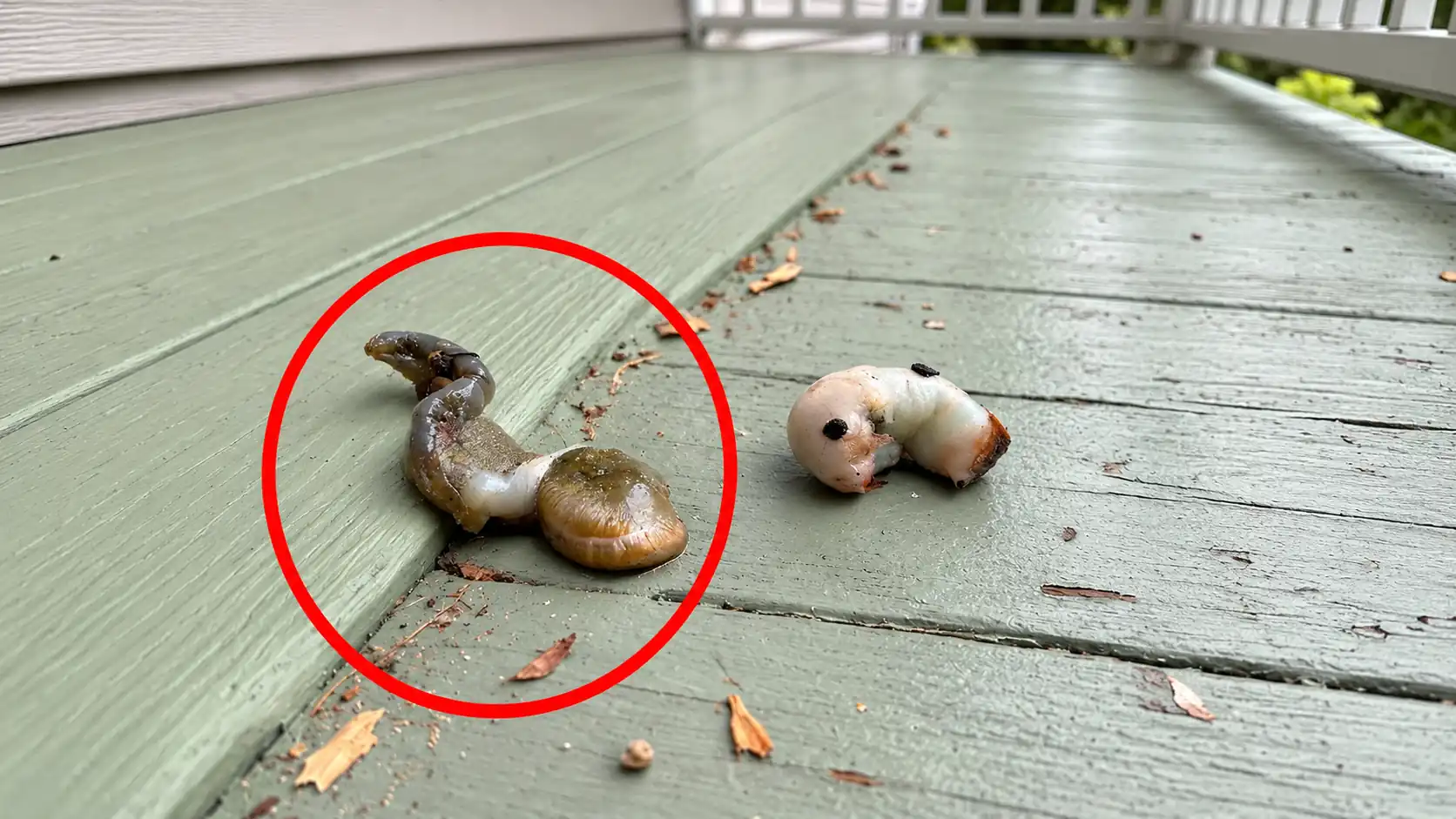
Near one corner of the balcony was a small, pale object.
At first, I couldn’t recognize it. It had an off-white color, an irregular shape, and appeared completely motionless. There was no sound or obvious clue to explain what it was. It simply looked out of place.
My first reaction was to step back.
When something unfamiliar suddenly appears in an everyday setting, the mind can begin imagining possibilities before reason has time to take over. The longer I stared at it, the less certain I became.
I started asking myself several questions.
Had it fallen from somewhere above?
Was it a piece of a plant or some kind of debris?
Or could it actually be something alive?
Not knowing the answer made the discovery feel more concerning than it might have been.
Rather than getting too close, I decided to observe it from a distance. I slowly changed my position, trying to examine the object from different angles. But each new view seemed to create more questions instead of providing an explanation.
Eventually, curiosity won.
However, I remained careful. Instead of touching it or approaching it directly, I took out my phone and captured a few photographs.
When I zoomed in, I could see more detail. The object appeared soft and slightly segmented, with a texture that looked more natural than manufactured.
Even then, I couldn’t identify it.
I continued checking on it occasionally, wondering whether it would move or change in some way. It’s surprising how quickly our imagination can take over when we encounter something we don’t understand. There was no clear evidence that it posed any danger, but its unfamiliar appearance made the situation feel unusual.
The Search for an Answer
After spending some time wondering what it could be, I decided to stop guessing and look for a more reliable explanation.
I began comparing the photographs with images available online, paying attention to the object’s shape, color, and texture. I also shared the pictures with a few friends, hoping someone might recognize it.
Before long, I found an explanation.
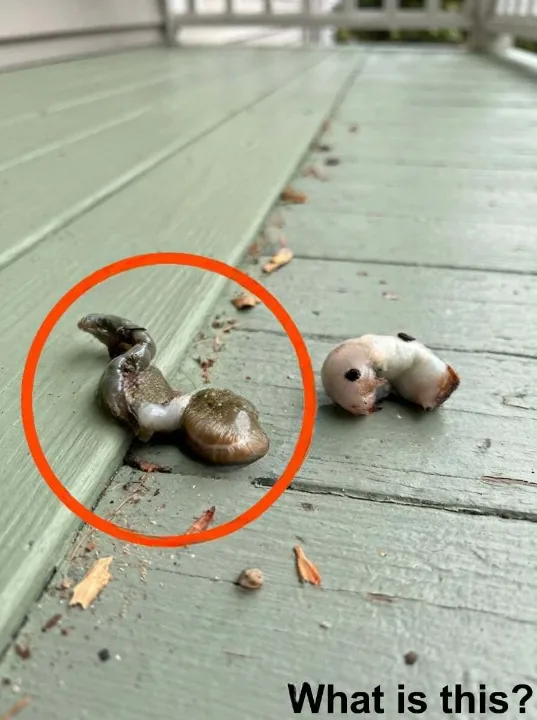
The strange object on my balcony was identified as beetle larvae.
At first, discovering that it was an insect larva might sound unsettling. However, the explanation was much more ordinary than I had imagined.
Beetle larvae are a natural part of outdoor environments. Depending on the species, they may be found in soil, decaying organic material, plants, or other suitable habitats. They can occasionally appear on balconies, patios, and near windows.
How Beetle Larvae Can Appear on a Balcony
There are several possible ways insect larvae might end up in an unexpected place.
They may come from nearby plants, potting soil, or organic material around the building. Some insects also lay eggs in suitable outdoor environments, allowing larvae to emerge later.
In other situations, birds or other animals may carry small insects or larvae and accidentally drop them elsewhere.
Balconies that are exposed to open air can sometimes become temporary places where insects appear, even when the area is regularly cleaned.
Many beetle larvae are harmless to people, although their behavior and potential impact on plants or household materials depend on the species. They generally do not remain in unsuitable locations for long.
Once I understood what I was looking at, the entire experience began to feel different.
Something that had seemed strange and slightly disturbing only minutes earlier was now simply an example of nature appearing in an unexpected place.
An Unexpected Lesson From an Ordinary Discovery
Looking back, the experience reminded me how easily unfamiliar things can create unnecessary concern.
When we cannot immediately identify something, our minds naturally begin filling in the missing details. Sometimes, the possibilities we imagine are much more frightening than the actual explanation.
But the truth can be surprisingly simple.
That small discovery also changed the way I looked at my balcony. What had always seemed like a familiar and predictable space suddenly felt more connected to the natural world outside.
Even in places where we spend time every day, nature can appear in unexpected ways.
What began as a moment of confusion eventually became an opportunity to learn something new.
Sometimes, an unfamiliar discovery is not a reason to panic. It is simply a reminder to pause, observe, and understand what we are seeing before jumping to conclusions.