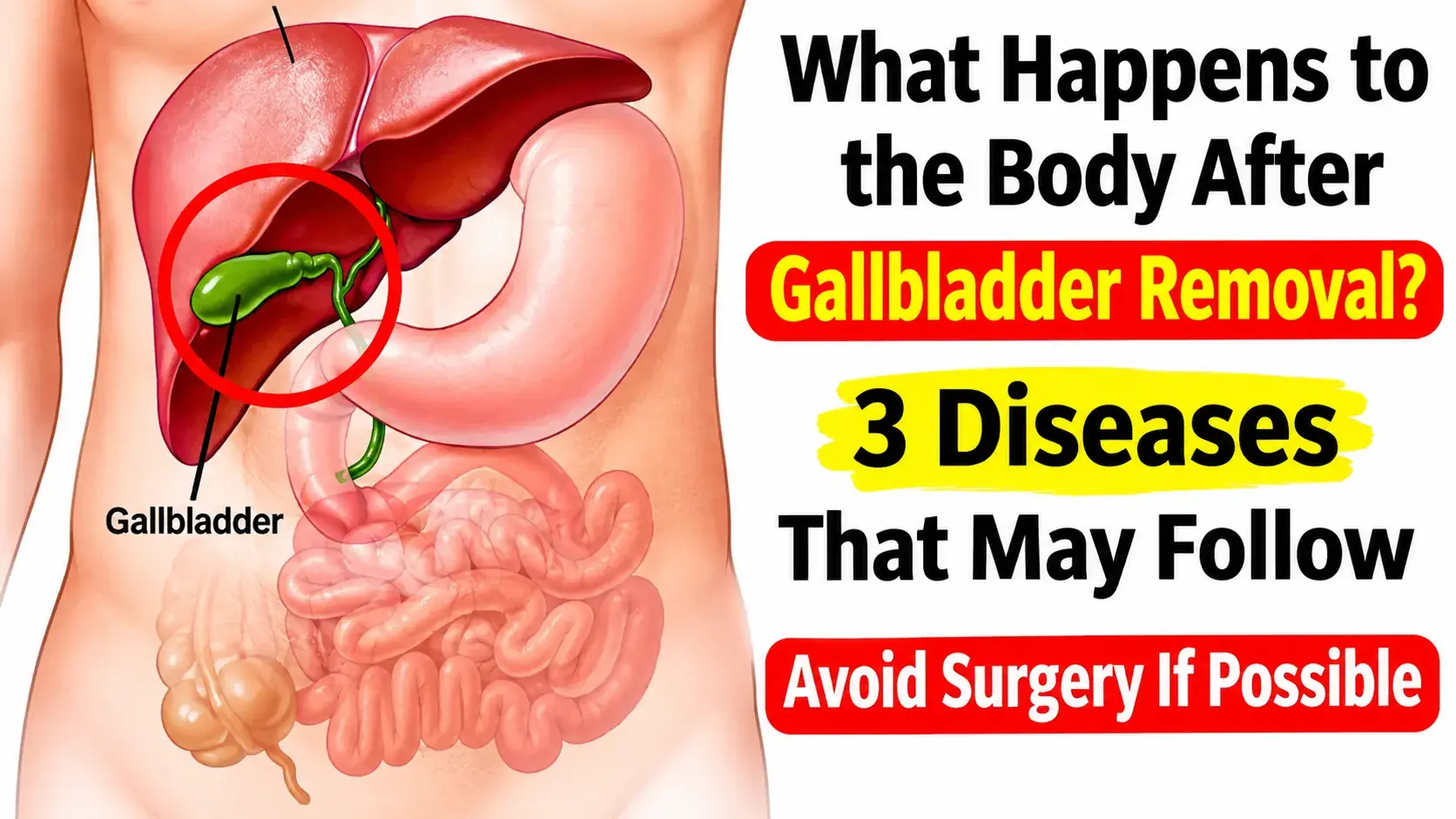
Gallbladder removal, medically called cholecystectomy, is one of the most common surgical procedures performed worldwide. Doctors usually recommend this operation when gallstones or other gallbladder conditions cause repeated discomfort, inflammation, infections, or potentially dangerous complications.
Although millions of people live healthy lives without a gallbladder, removing this small organ can change how the digestive system handles food. Most patients adjust successfully, but some experience digestive difficulties that may continue for weeks or even longer.
Understanding Your Treatment Options
Not every person with gallstones requires immediate surgery. Treatment depends on the symptoms, severity of the condition, and possible complications. Some people with gallstones that cause no symptoms may simply need medical observation.
However, suggesting that everyone should avoid gallbladder surgery is not medically accurate. When gallstones cause repeated attacks, inflammation, or infection, delaying appropriate treatment may increase the risk of serious complications. A healthcare professional can determine whether surgery or another treatment approach is suitable.
Why Is the Gallbladder Important for Digestion?
To understand what happens after surgery, it helps to know the gallbladder’s normal function.
The liver continuously produces bile, a digestive fluid that helps break down dietary fats and supports the absorption of fat-soluble vitamins. This fluid plays an important role in maintaining normal digestion.
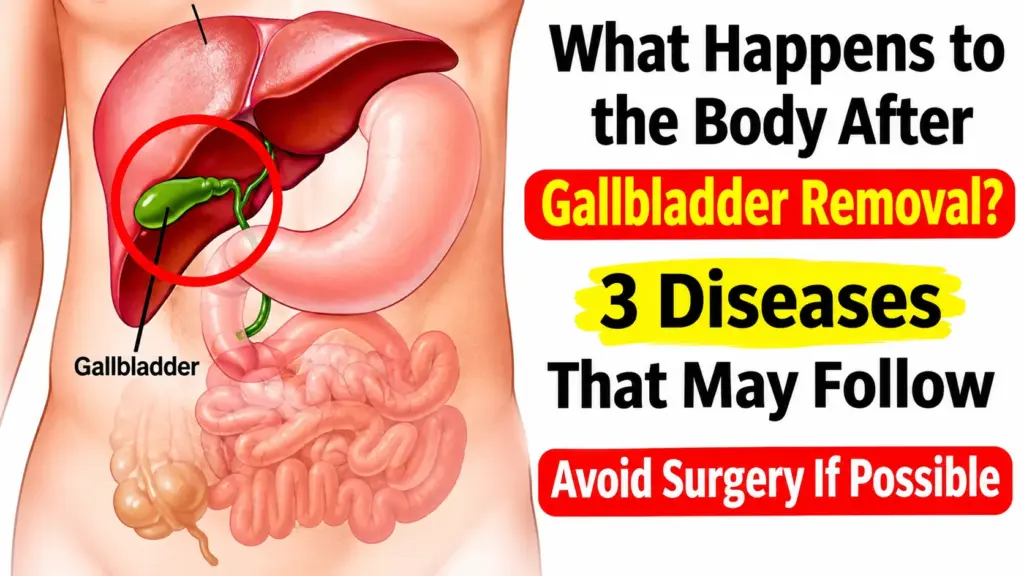
The gallbladder does not produce bile itself. Instead, it acts as a small storage container that collects bile from the liver and concentrates it between meals.
When someone eats, particularly foods containing fat, the gallbladder contracts and releases stored bile into the small intestine. This allows the digestive system to process fats more efficiently.
What Happens When the Gallbladder Is Removed?
After surgery, the liver continues producing bile just as before. The important difference is that there is no longer a gallbladder available to store and concentrate it.
Instead, bile gradually flows directly from the liver through the bile ducts into the small intestine.
This means digestion can continue normally for many people, although the timing and delivery of bile change. Some individuals may notice that fatty meals become harder to tolerate, while others experience loose stools, bloating, or occasional abdominal discomfort.
Fortunately, many of these symptoms can improve as the body adjusts to its new digestive routine. Following medical advice and making appropriate dietary changes can help support recovery.