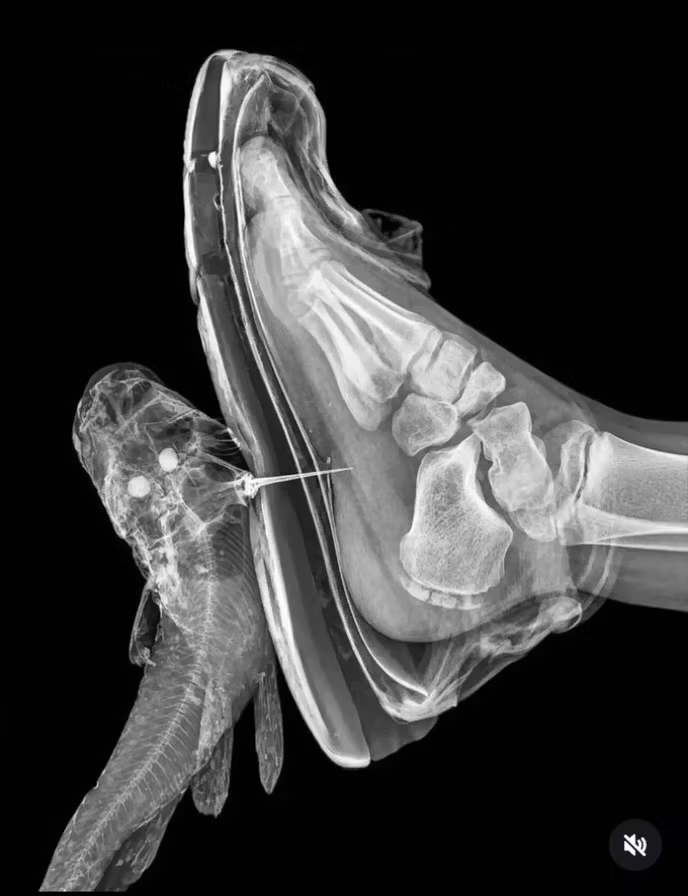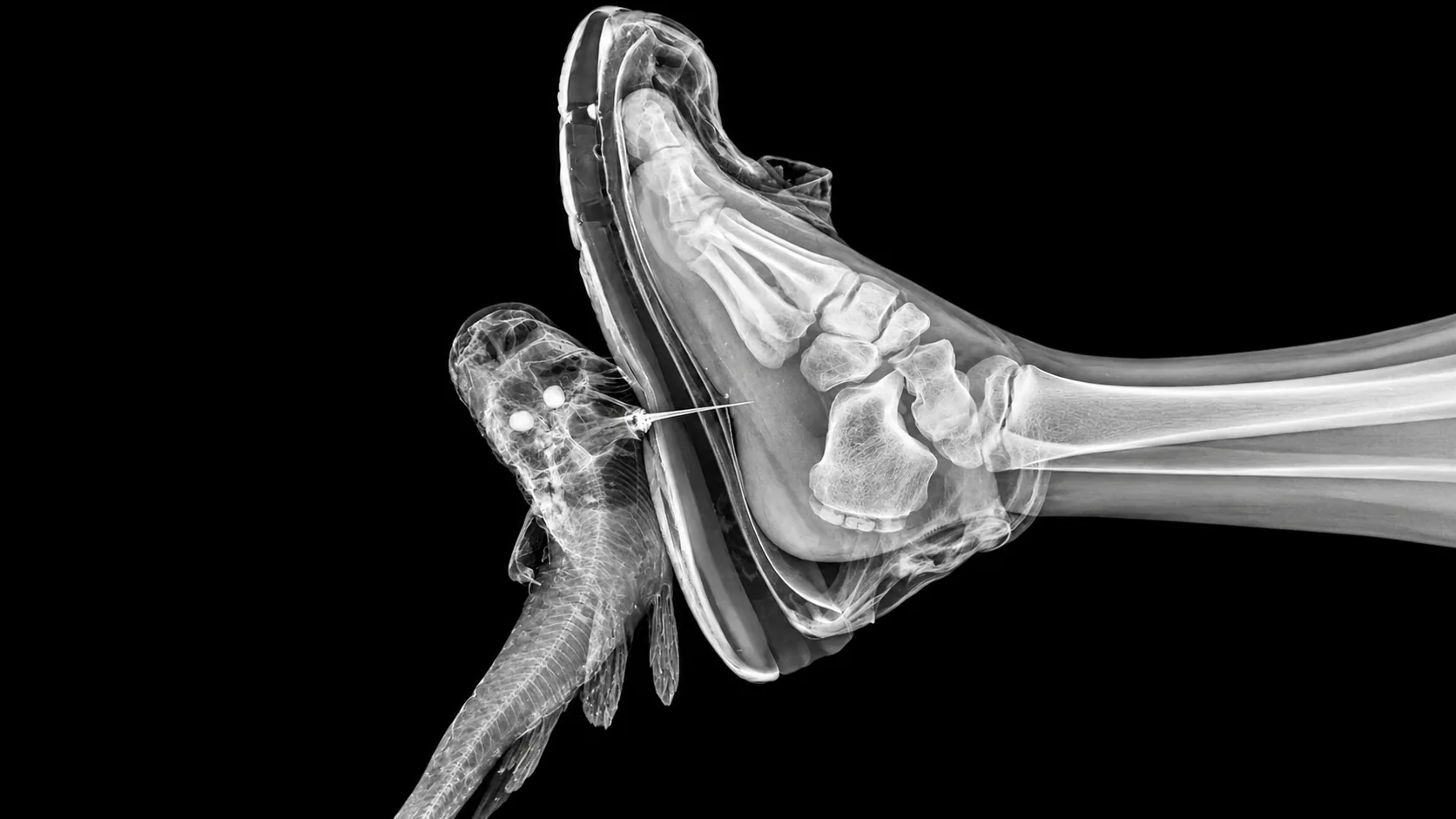
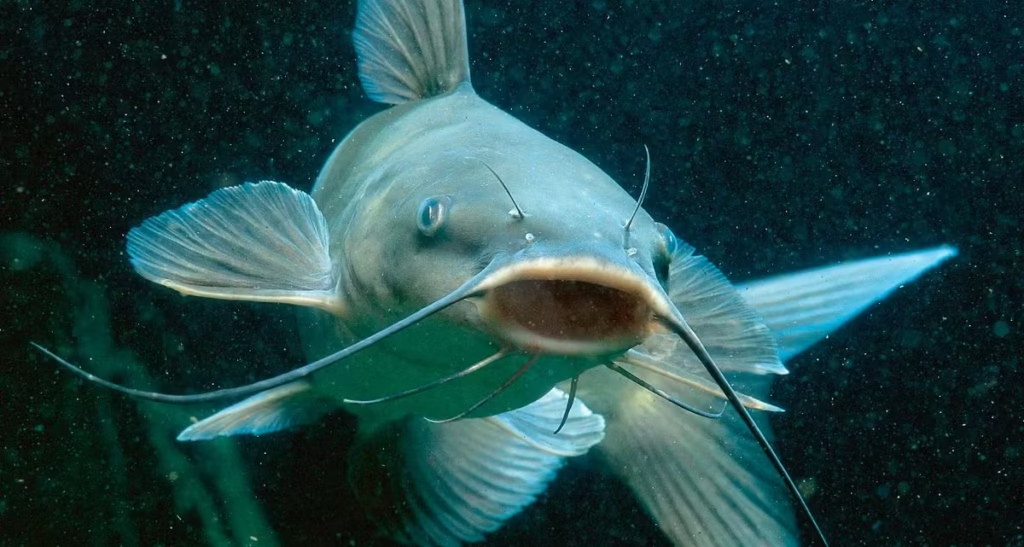
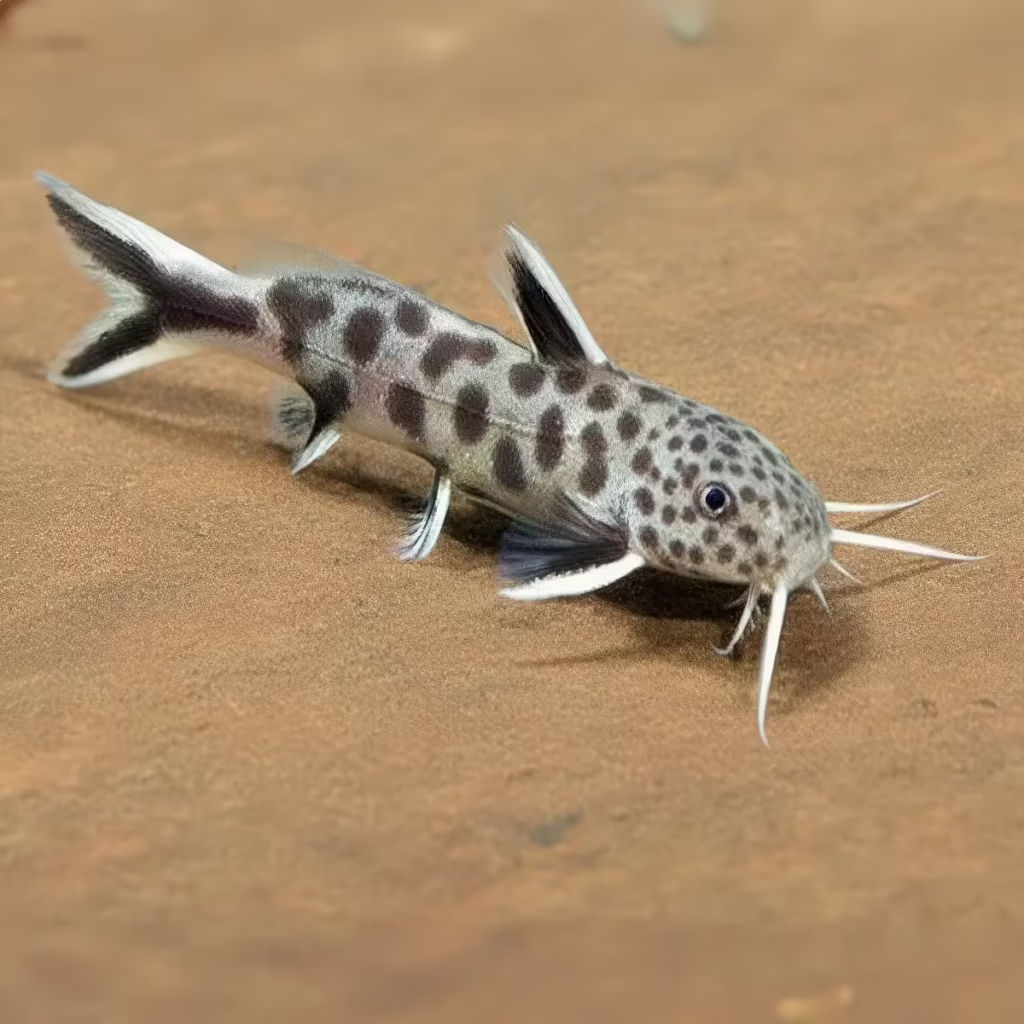
A 35-year-old woman was walking through a fish market when she accidentally stepped on a fish she could not identify. Its spine pierced her foot, leaving the animal lodged in the wound.
She immediately went to a nearby small hospital, where doctors performed an X-ray, removed the spine, cleaned and bandaged the injury, and sent her home.
At first, it appeared to be an ordinary market accident. But the situation would soon become much more serious..
NaScapers, TVU
Two nights later, the woman returned to the emergency department with severe pain and swelling on the sole of her foot.
Doctors discovered rapidly progressing cellulitis, intense pain, and hemorrhagic blisters. These findings raised serious concerns about an aggressive infection.
There was also an important detail in her medical history: she had chronic liver disease.
NaScapers, TVU
A Dangerous Infection Linked to Marine Bacteria
Her underlying liver condition significantly increased the concern. People with chronic liver disease can be particularly vulnerable to severe infections caused by bacteria found in coastal and marine environments.
A wound exposed to contaminated water or marine animals can provide an entry point for dangerous microorganisms. In some cases, the infection can rapidly progress into necrotizing soft tissue infection and sepsis.
The clinical case raises an important question: Which microorganism was most likely responsible?
The clues point toward a marine bacterium commonly found in warm, brackish waters and known for causing particularly severe infections in people with underlying liver disease.
NaScapers, TVU
The suspected microorganism is Vibrio vulnificus, a bacterium associated with serious wound infections following exposure to contaminated coastal water or marine animals.
For people with chronic liver disease, these infections can become life-threatening and require urgent medical attention.