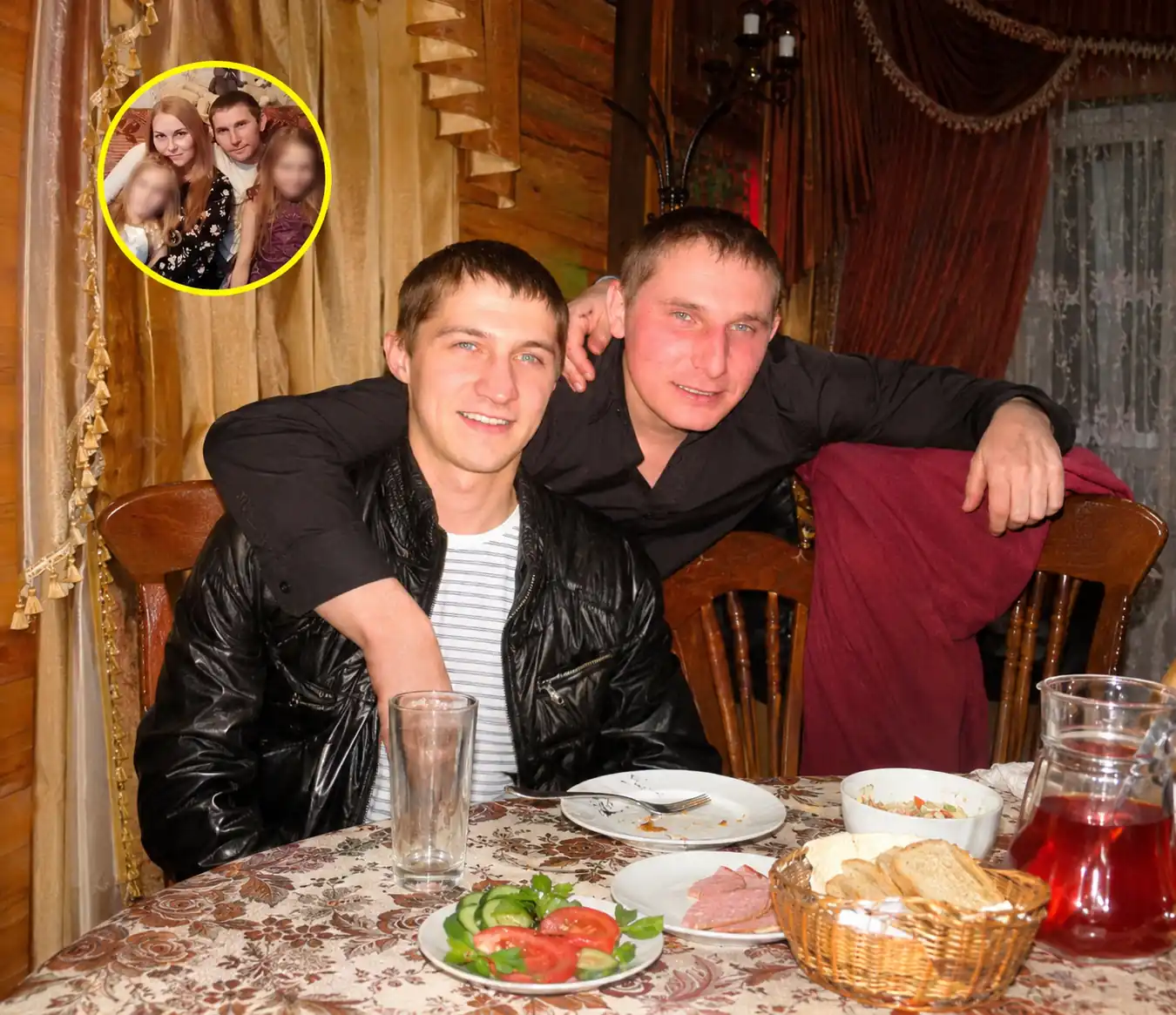
Vyacheslav Matrosov was just 35 years old when he made a discovery that would completely change his life. After accessing the phone belonging to his closest friend, he reportedly came across disturbing photographs and videos showing the alleged abuse of his six-year-old daughter. The discovery left him devastated and furious, especially because the person involved was someone he had trusted for years.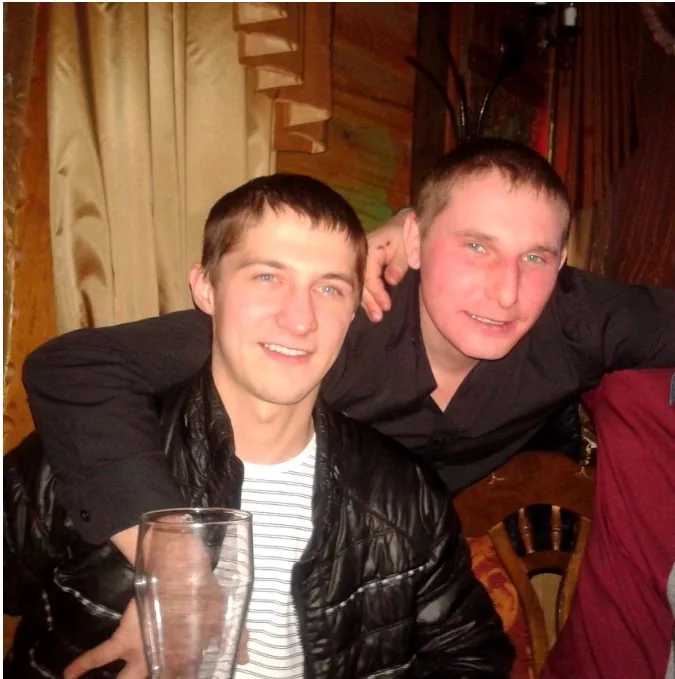
According to reports, the man responsible was Oleg Sviridov, a 32-year-old friend who later died during a violent confrontation in a forest in Russia’s Samara region.
Media accounts state that Matrosov took Sviridov into the woods, where an argument between the two men escalated into a deadly encounter involving a bladed weapon. Reports also claimed that Matrosov forced his former friend to dig a grave for himself. However, investigators ultimately determined that Sviridov had taken his own life during the confrontation.
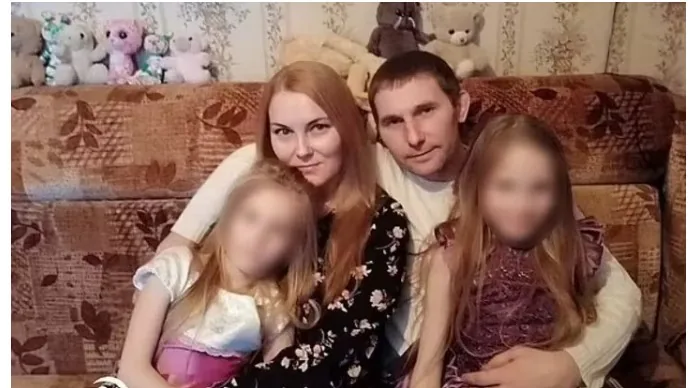
Following the incident, Matrosov secretly buried the body in an isolated, unmarked location in the forest. Authorities eventually discovered what had happened and arrested him as the primary suspect in Sviridov’s death.
The case quickly attracted widespread attention across Russia. What made the situation even more controversial was the public reaction after details of the alleged abuse became known. Journalists, members of the public, and several politicians reportedly expressed support for Matrosov, believing that his actions were connected to the terrible discovery involving his young daughter.
Despite the seriousness of the incident, the Krasnoglinsky Court handed Matrosov an 18-month prison sentence for incitement to suicide. This was considerably shorter than the potential 15-year sentence he could have faced if convicted of murder.
The decision sparked further discussion about justice, parental emotions, and the limits of personal revenge. Many people viewed the case as a deeply disturbing example of how anger and heartbreak can lead to tragic consequences.
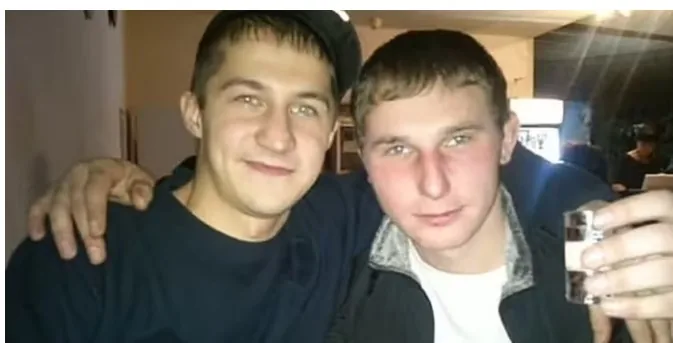
According to several media reports, Matrosov was released from prison just months after the court delivered its sentence, leaving behind a case that continues to raise difficult questions about justice and responsibility.