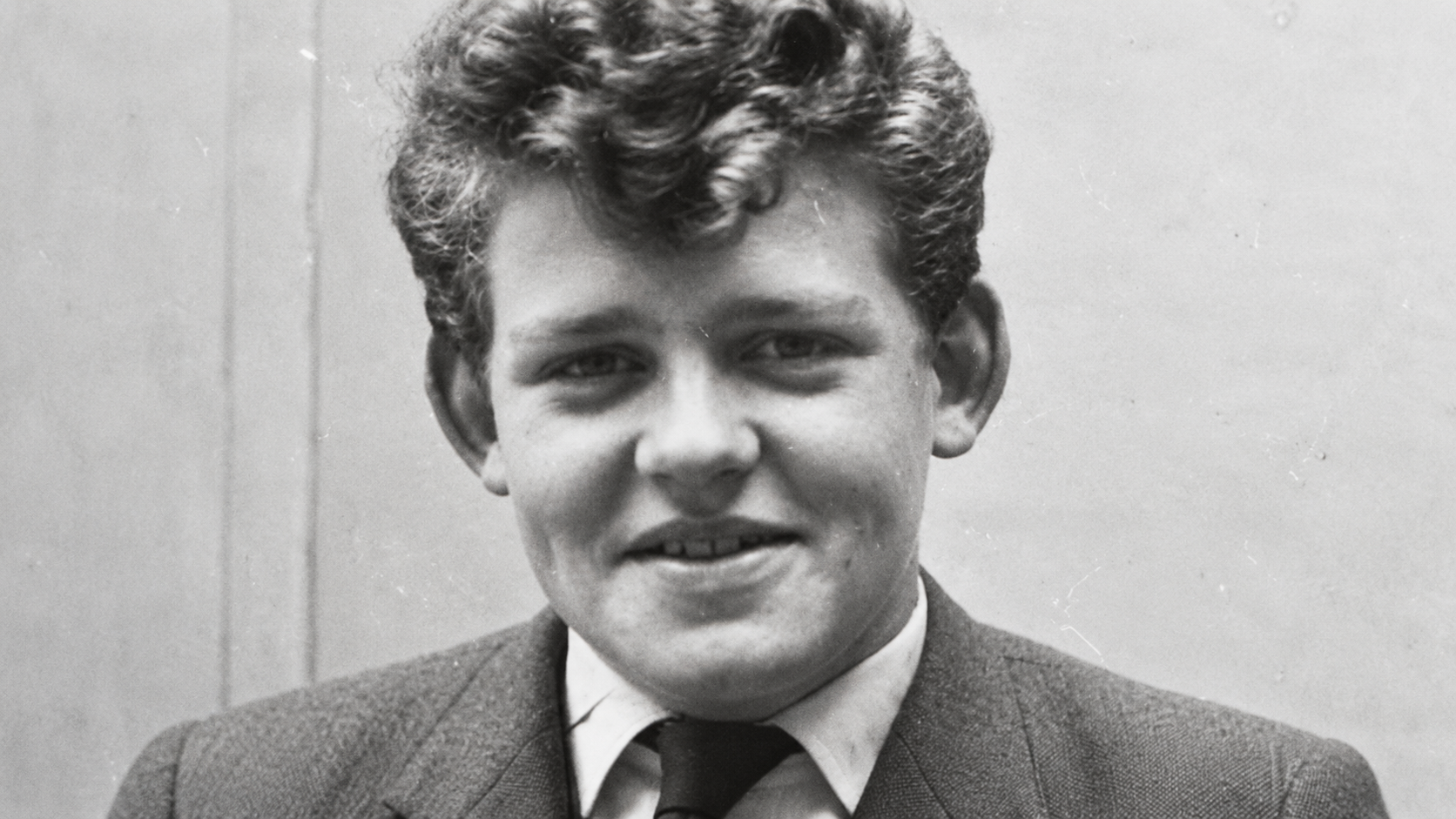
With his unmistakable raspy voice, powerful performances, and decades of international touring, Joe Cocker became one of the most recognizable voices in rock music.
But before the sold-out concerts and worldwide fame, he was simply a young man growing up in one of Britain’s most heavily industrialized cities.
Raised in a working-class part of Sheffield, Cocker found an escape in music. His journey would eventually take him from smoky local pubs to the biggest stages in the world.
Along the way, however, he faced serious battles with alcohol, heroin, cocaine, and years of heavy smoking. Much of his life was shaped by those struggles before his relationship with Pam helped bring greater stability.
Growing up surrounded by smoke
Not every famous rock musician comes from a troubled household. Cocker’s childhood was relatively stable in many ways, but growing up in postwar Sheffield was far from easy.
The city was dominated by steel factories, industrial smoke, and darkened buildings. Thick layers of soot covered many of the streets and stone structures, creating an environment that was simply part of everyday life for local residents.
Cocker was born during World War II in Sheffield. His father served with the Royal Air Force as an aircraftman, while his mother was a housewife.
He was given the name John at birth, but the world would eventually know him by another name: Joe.
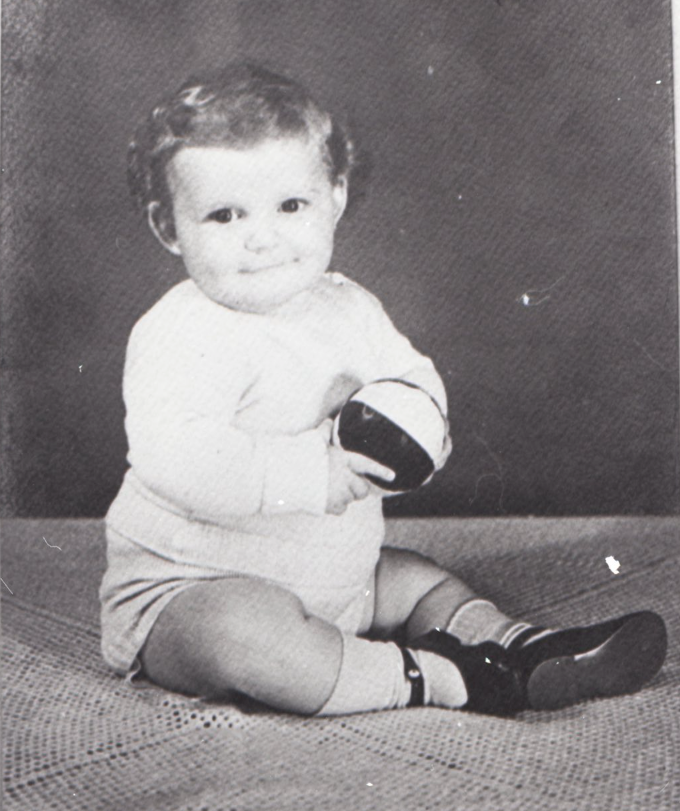
There are different explanations for where the nickname came from. Some accounts connect it to a cowboy game from his childhood, while another popular story suggests that it was inspired by a local window cleaner.
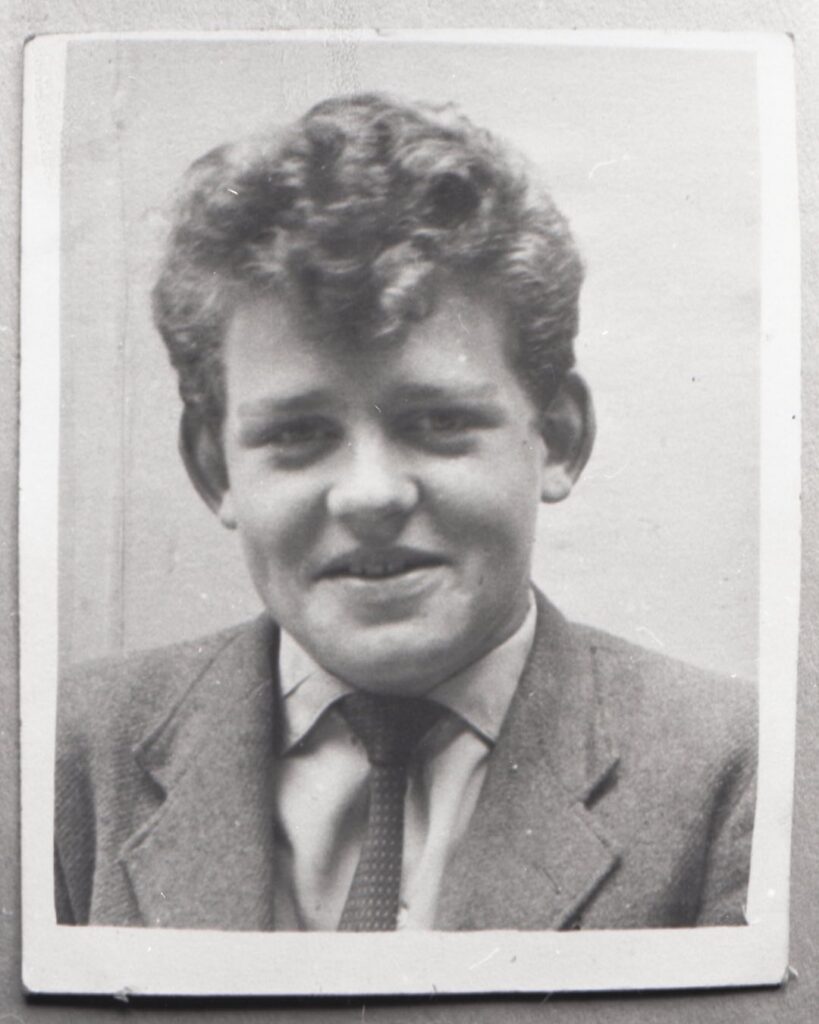
As a teenager, Cocker never dreamed that he would become an international music star.
In fact, his biggest goal was simply to leave Sheffield.
He left school at 16, with his headmaster reportedly sending him off with the words, “Hard luck.”
Cocker then became an apprentice gas fitter while continuing to pursue music in his spare time. During the day, he worked, and at night he performed in small, smoke-filled venues.
His brother later recalled that Cocker’s talent was not immediately obvious when he was young, but his determination to perform was impossible to miss.
“His voice had hardly broken and there was no way you could recognize his talent but his enthusiasm was undeniable and he had that desire to perform which was there throughout his career,” his brother told The Star.
For years, the young singer remained largely unknown.
He played for small audiences, borrowed microphones when necessary, and used his earnings to create demo recordings that were repeatedly rejected.
But he continued because music gave him something his ordinary working life could not.
His mother later recalled that she had once expected him to remain a gas fitter, even buying him books about the trade. But music always remained his real passion.
From gas fitter to struggling musician
Cocker began performing with local blues groups and eventually received his first significant opportunity in 1964.
Decca Records brought him to London to record a version of a Beatles song. He reportedly earned only around $1.50 from the session, and the resulting single failed to make an impact.
Cocker later joked that Decca had been professional enough to realize they should drop him.
Instead of giving up, he left his job with the gas board and found work packing goods while continuing to perform whenever he could.
Then, several years later, another opportunity arrived.
This time, everything changed.
His version of the Beatles classic “With a Little Help from My Friends” became a huge success.
The recording climbed the charts in Britain and America. In the UK, it eventually reached No. 1.
Cocker suddenly found himself receiving international attention.
The success also opened the door to his first American tour in 1969. The following year, his live album Mad Dogs & Englishmen reached No. 2 on the U.S. charts.
The performance that changed everything
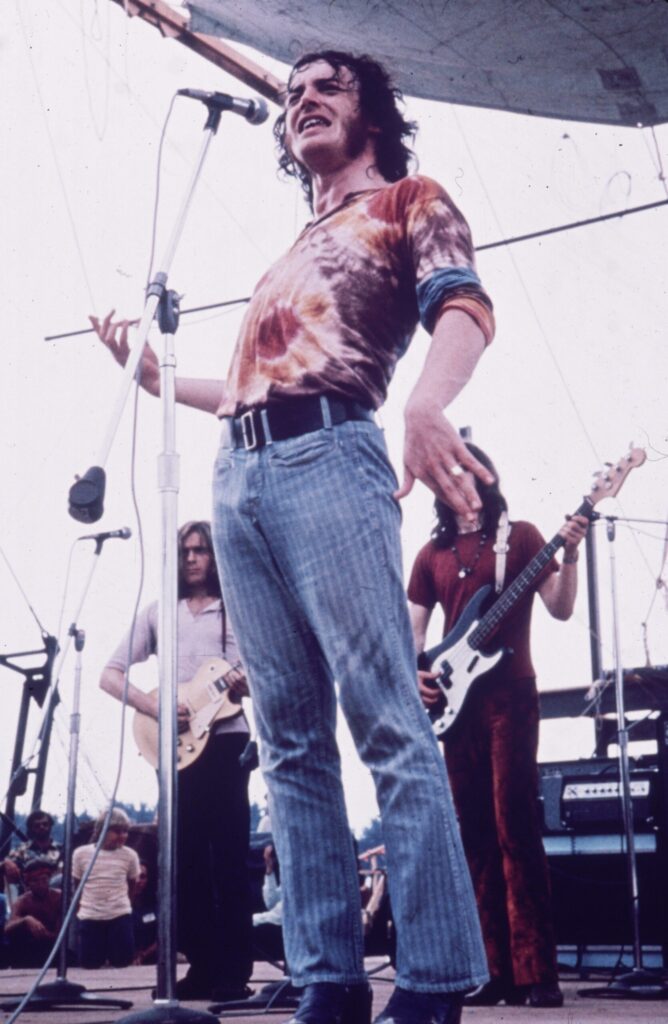
Cocker’s breakthrough became even bigger at the Woodstock festival in August 1969.
His rendition of “With a Little Help from My Friends” became one of the festival’s most memorable performances.
Wearing a tie-dyed shirt and jeans, with his hair and sideburns adding to his unmistakable appearance, Cocker delivered the song with extraordinary intensity.
His voice rose from soft passages into raw screams, while his unusual movements and facial expressions made the performance impossible to forget.
He wasn’t simply performing another Beatles cover.
He completely transformed the song into something emotional, powerful, and deeply personal.
Hundreds of thousands of people experienced the performance, and it later became an iconic part of the Woodstock film.
That appearance helped turn the singer from Sheffield into an international star.
His full name was John Robert “Joe” Cocker.
Fame brought a darker side
Cocker later looked back on Woodstock with his usual sense of humor, joking about the tie-dyed shirt he wore during the performance.
But behind the success, his lifestyle was becoming increasingly difficult to control.
He toured relentlessly during the early 1970s, eventually pushing himself so hard that he collapsed from exhaustion in Los Angeles.
The Mad Dogs & Englishmen period also brought him deeper into a world of alcohol and drugs.
Heroin, cocaine, pills, and heavy drinking became increasingly common parts of his life on the road.
Instead of disappearing after the tour, his substance problems continued.
While living in Los Angeles, his drinking became particularly severe, and he later acknowledged how much alcohol had begun to dominate his everyday existence.
Heroin also entered the picture.
“I started taking heroin seriously, even though I’d thought it was the big taboo,” he later admitted. He described the drug as powerful and said it gave him a sense of fearlessness that sometimes led him to behave recklessly.
“They put me in a cell with a bank robber”
By the middle of the 1970s, Cocker’s problems were becoming impossible to ignore.
His health suffered. Performances became increasingly unpredictable, and his personal life was spiraling.
During a tour of Australia, he was arrested over cannabis possession and reportedly became involved in a confrontation with police officers.
He was later arrested in Melbourne following an incident at his hotel and spent a night in jail.
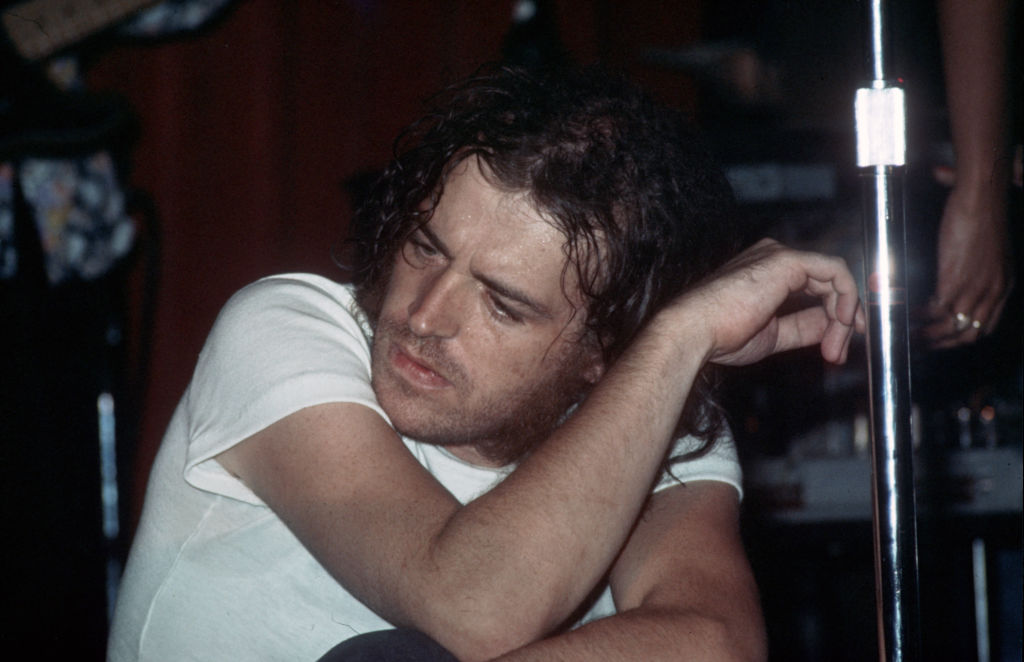
Cocker remembered the strange experience of sharing a cell with other prisoners.
“They put me in a cell with a bank robber, and an Aborigine who was alleged to have murdered someone,” he recalled. He added that the bank robber appeared friendly and even told him he owned his albums.
Despite everything happening around him, Cocker still managed to produce successful music.
His recording of “You Are So Beautiful” eventually reached No. 5 on the U.S. Billboard chart.
But his substance abuse continued to create dangerous situations.
During a 1974 performance in Los Angeles, Cocker became seriously impaired after drinking heavily and using cocaine. He later described being unable to properly continue the performance after only a couple of songs.
The song that became his biggest hit
Against all expectations, Cocker eventually reached another extraordinary peak.
His duet with Jennifer Warnes, “Up Where We Belong,” became a No. 1 hit in the United States.
The song, featured in the movie An Officer and a Gentleman, also earned the pair a Grammy Award in 1983.
It was a remarkable comeback for an artist who had spent years struggling with addiction and the consequences of the rock-and-roll lifestyle.
Cocker once reflected on his journey from being a teenage gas fitter to becoming an internationally known performer, acknowledging just how unexpected his career had been.
Even after achieving international fame and moving overseas, he retained a strong connection to Sheffield.
When he eventually settled in Colorado, his brother Vic recalled that Cocker would still make time to watch Sheffield United whenever the football club appeared on television.
A career that continued for decades
During the 1980s and 1990s, Cocker remained an active recording artist.
Albums including Unchain My Heart, One Night of Sin, and Night Calls continued to keep his music in the public eye.
His 1994 album Have a Little Faith received positive critical attention and produced songs such as Take Me Home and Let the Healing Begin.
A box set released the following year celebrated his extensive catalogue and highlighted how much music he had produced throughout his career.
Cocker also appeared at major international events, including the Prince’s Trust Rock Gala, a tribute to Nelson Mandela, Rock in Rio II, and Woodstock ’94.
Later albums such as Hymn for My Soul and Hard Knocks demonstrated that his voice still carried the same distinctive character decades after his breakthrough.
The woman who brought stability
Behind the scenes, Cocker’s personal life also went through major changes.
He had previously been involved in a long and sometimes complicated relationship with Eileen Webster, which began in 1963 and continued intermittently for around 13 years.

In 1978, Cocker moved to a ranch in California owned by Jane Fonda.
It was there that he met Pam Baker, a former summer camp director.
Their relationship developed over time, and the couple eventually married in 1987.
Pam became an important source of stability in Cocker’s life.
She supported him through difficult years and helped him establish a quieter, more private lifestyle at their Mad Dog Ranch in Crawford, Colorado.
Their relationship played an important role as Cocker moved away from the chaos that had characterized so much of his earlier life.
Joe Cocker’s final years
Joe Cocker continued recording and performing for many years, maintaining his reputation as one of the most distinctive voices in rock and blues.
He had lived through extraordinary highs and painful lows.
From small pubs in Sheffield to Woodstock, from addiction and financial difficulties to international success, his career was anything but ordinary.
Sadly, Cocker died from lung cancer on December 22, 2014, in Crawford, Colorado. He was 70 years old.
He had been a heavy smoker for many years, reportedly smoking as many as two packs a day before quitting in 1991.
Cocker had never enjoyed an entirely smooth commercial journey. Although he produced numerous successful singles, many of his nearly 40 albums did not achieve major sales.
Nevertheless, he continued touring and performing for much of his life.
He also appeared on both the British and French versions of American Idol, although he was never particularly enthusiastic about talent competitions.
Reflecting on such shows, he suggested that his own path — beginning in pubs and slowly building a career — had spared him the disappointment of losing a televised competition.
Financial struggles and net worth
Cocker also experienced serious financial difficulties during his career.
By the mid-1970s, poor financial management, expensive touring, addiction, and inadequate business oversight had left him close to bankruptcy.
Pam later helped him regain greater control over his finances and establish a more stable life.
According to Celebrity Net Worth, Cocker’s fortune was estimated at approximately $60 million at the time of his death.
The exact income generated by his estate after his passing has not been publicly disclosed, although his extensive music catalogue continues to have lasting value.
Cocker’s influence has also continued beyond his lifetime.
He is remembered as one of the most soulful and distinctive white rock vocalists of his generation, and his contribution to music has continued to receive recognition.
He was posthumously inducted into the Rock and Roll Hall of Fame in November 2025, an honor many fans and fellow musicians believed was long overdue.
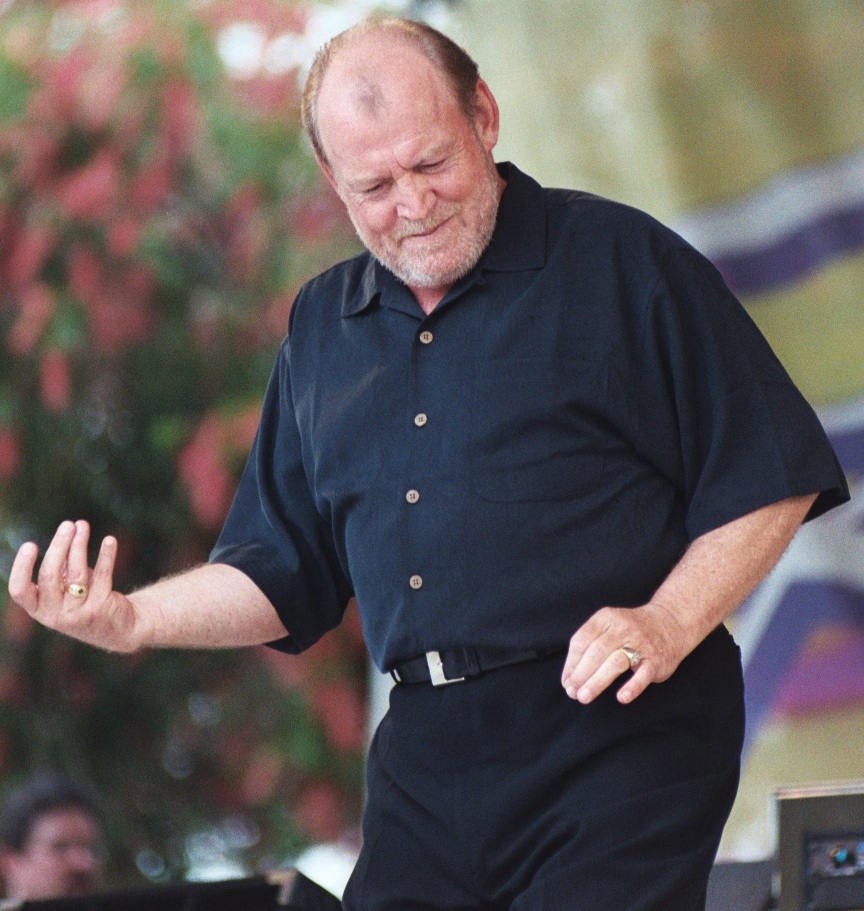
Whenever “With a Little Help from My Friends” begins playing and that unmistakable voice fills the room, it is difficult not to think about the journey behind it.
Joe Cocker was once a young boy growing up among the smoke and factories of Sheffield.
He left school early.
He worked as a gas fitter.
He played tiny pubs.
He struggled with addiction.
He nearly lost everything.
And yet, he kept returning to music.
His story shows that a person’s journey is rarely simple. Success can disappear, careers can fall apart, and difficult years can leave deep scars.
But Cocker’s life also demonstrated that a difficult chapter does not necessarily have to become the final chapter.
He turned his pain, struggles, and unmistakable voice into music that continues to be remembered.
Joe Cocker may be gone, but the sound he created remains.
And for millions of listeners, that voice will always belong to the unforgettable singer from Sheffield.
Thank you, Joe Cocker, for the music, the passion, and the unforgettable performances. Your voice truly became part of music history.