Dyshidrotic eczema is a form of eczema that causes small, very itchy fluid-filled blisters to appear on the hands and feet. These blisters can develop suddenly and may become particularly uncomfortable when they affect the palms, fingers, or soles.
Although dyshidrotic eczema can be irritating and difficult to deal with, it is not contagious and can often be controlled with proper skin care and appropriate treatment. Knowing what the condition looks like and understanding possible triggers may help you recognize flare-ups and protect your skin.
Because other skin conditions can sometimes resemble dyshidrotic eczema, symptoms that are persistent, severe, or unusual should be assessed by a healthcare professional.
What Is Dyshidrotic Eczema?
Dyshidrotic eczema, also known as pompholyx, is an inflammatory skin condition that produces small, fluid-filled blisters.
These tiny blisters most often develop on the sides of the fingers, the palms of the hands, and the soles or sides of the feet. They can appear in groups and may cause intense itching.
Once the blisters begin to dry, the skin may become flaky, dry, cracked, or painful.
Some people experience occasional episodes, while others may have repeated flare-ups over months or years.
What Does Dyshidrotic Eczema Look Like?
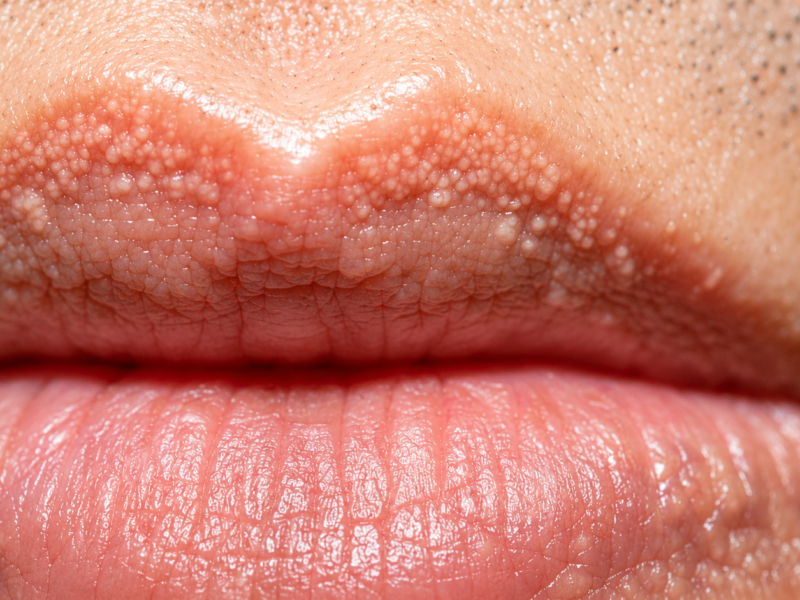
The most typical sign is the development of very small blisters beneath or on the surface of the skin.
They can sometimes resemble tiny beads or droplets trapped underneath the skin.
Itching may begin before the blisters appear. Some people also experience burning, tingling, tightness, or irritation during a flare-up.
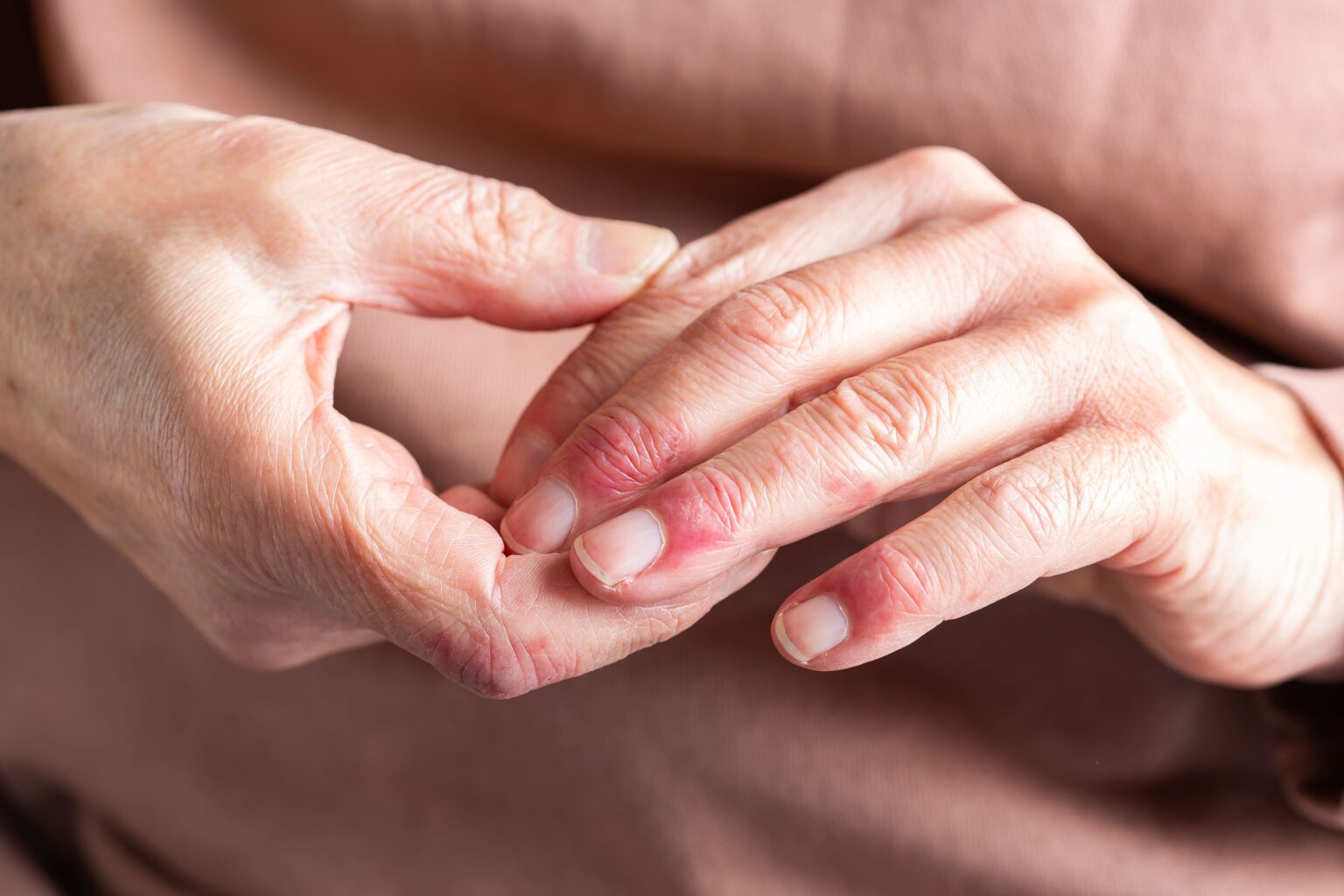
As the blisters heal, the affected skin can peel, become rough, or develop painful cracks.
When cracking becomes severe, simple activities such as washing your hands, typing, exercising, or walking can become uncomfortable.
Common Symptoms
Symptoms differ from one person to another, but common signs may include:
Tiny fluid-filled blisters
Severe itching
Burning or tingling sensations
Dry or peeling skin
Redness and irritation
Cracked skin
Tender or sore areas
The blisters are often most noticeable during an active flare-up. As the skin begins recovering, they may dry out and eventually peel.
Where Does Dyshidrotic Eczema Usually Appear?
Dyshidrotic eczema mainly affects the hands and feet.
On the hands, blisters can develop across the palms, along the sides of the fingers, or around the fingertips.
On the feet, the soles and sides are common areas.
These parts of the body are regularly exposed to moisture, friction, soaps, cleaning products, and other irritants. Reducing unnecessary exposure and protecting the skin can therefore be an important part of managing the condition.
What Causes Dyshidrotic Eczema?
The precise cause of dyshidrotic eczema is not fully understood.
Experts believe that multiple factors may be involved, including genetics, immune-system responses, environmental conditions, and sensitivity to certain substances.
People who already have eczema or naturally sensitive skin may also have a greater tendency to develop dyshidrotic eczema.
Importantly, the condition is not the result of poor hygiene and it cannot be transmitted from one person to another.
Common Triggers
Different people may notice different factors that make their symptoms worse.
Stress
Emotional stress is frequently reported by people who experience eczema flare-ups.
Stress does not necessarily directly cause dyshidrotic eczema, but it may contribute to worsening symptoms in someone who is already susceptible.
Healthy stress-management strategies may therefore be useful alongside a regular skin-care routine.
Heat and Sweating
Warm temperatures and excessive sweating can aggravate symptoms in some people.
Keeping your hands and feet comfortable, cool, and dry may help minimize irritation.
For foot symptoms, breathable shoes and moisture-absorbing socks may be helpful.
Frequent Hand Washing
Hand washing is important, but repeated contact with water, soap, and cleansing products can irritate sensitive skin.
Strong soaps, detergents, and household cleaning chemicals may further weaken the skin barrier.
Using a mild, fragrance-free cleanser and applying moisturizer after washing can help maintain the skin’s protective barrier.
Contact With Irritating Substances
Repeated exposure to certain materials may trigger or worsen symptoms.
Possible irritants include cleaning products, solvents, detergents, metals, and other chemicals.
If you repeatedly notice flare-ups after coming into contact with a particular substance, speak with a healthcare professional about the possible connection.
Can Allergies Play a Role?
Allergic sensitivity may contribute to dyshidrotic eczema in some people.
Nickel and cobalt, for example, have been associated with the condition in certain individuals.
However, having dyshidrotic eczema does not automatically mean that you have an allergy.
If your flare-ups happen frequently or remain difficult to control, a dermatologist may decide whether patch testing or other allergy-related testing could help identify possible triggers.
Treatment Options
Treatment is based on the severity of the condition and the individual’s symptoms.
During a flare-up, a healthcare professional may recommend topical corticosteroids to help reduce inflammation.
Moisturizers and barrier creams are also an important part of treatment because they help combat dryness and support the skin barrier.
When symptoms are severe, persistent, or difficult to manage, a dermatologist may recommend additional therapies.
Depending on the individual case, treatment may include prescription medications, phototherapy, or other medical options.
Prescription treatments should be used according to professional instructions rather than applying strong medications without guidance.
Moisturizing Can Make a Difference
Regular moisturizing can help strengthen and protect the skin barrier.
Thick, fragrance-free creams and ointments may provide more protection than lighter lotions, particularly when the skin is extremely dry.
Applying moisturizer after washing your hands or bathing, while the skin is still slightly damp, can help lock in moisture.
During active flare-ups, frequent moisturizing may reduce dryness and help prevent painful cracking.
Protect Your Hands
People whose hands are regularly exposed to water, chemicals, cleaning products, or other irritants may benefit from using suitable protective gloves.
Gloves can reduce direct contact with irritating substances during household chores or work.
However, keeping gloves on for extended periods can trap sweat and moisture against the skin, which may worsen symptoms for some people.
Taking breaks when appropriate and keeping the hands dry can help.
If a particular type of glove causes irritation, discuss alternative materials or options with a healthcare professional.
Avoid Scratching the Blisters
The intense itching caused by dyshidrotic eczema can make scratching difficult to resist.
However, scratching can break the skin and increase the possibility of infection.
Keeping your fingernails short may help reduce accidental damage.
Cool compresses can sometimes provide temporary relief from itching and irritation.
If itching becomes severe or regularly disrupts your sleep, ask a healthcare professional about suitable treatment options.
Should You Pop the Blisters?
It is generally recommended not to intentionally puncture or pop dyshidrotic eczema blisters.
Breaking the blisters can damage the protective skin barrier and potentially make infection more likely.
If a blister opens on its own, gently clean the area and protect it with a suitable dressing when necessary.
Seek medical advice if the area becomes increasingly painful, swollen, warm, or begins producing pus.
Signs of a Possible Skin Infection
Cracked or damaged skin can sometimes become infected.
Warning signs may include increasing redness, warmth, swelling, pain, pus, crusting, or symptoms that rapidly become worse.
A fever or feeling generally unwell can also be a reason to seek medical attention promptly.
If you believe an infection may have developed, contact a healthcare professional instead of relying only on home treatment.
When Should You See a Doctor?
Consider speaking with a healthcare professional if you experience recurring blisters, severe itching, painful cracks, symptoms that interfere with sleep or daily activities, or a rash that does not improve with basic skin care.
Medical evaluation is especially useful when you are uncertain whether the rash is actually dyshidrotic eczema.
Several other conditions, including fungal infections and certain types of contact dermatitis, can appear similar but may require completely different treatment.
Can Dyshidrotic Eczema Be Prevented?
There is no guaranteed method for preventing every dyshidrotic eczema flare-up.
However, learning what triggers your symptoms may help reduce how often they occur.
Keeping a simple record of flare-ups can sometimes reveal patterns related to stress, heat, sweating, particular products, metals, work-related exposure, or other environmental factors.
Regular moisturizing and avoiding known irritants may also help some people reduce the severity or frequency of flare-ups.
Is Dyshidrotic Eczema Contagious?
No.
Dyshidrotic eczema is not an infectious condition and cannot be spread through physical contact with another person.
This is important because the visible blisters, peeling, or irritated skin may sometimes make people concerned that the condition is contagious.
However, if you develop a new rash and do not know what is causing it, it is still wise to have it evaluated rather than assuming it is eczema.
Final Thoughts
Dyshidrotic eczema can lead to extremely itchy blisters on the hands and feet, followed by peeling, dryness, and painful cracking as the skin heals.
Although its exact cause is not always known, flare-ups may be associated with factors such as stress, heat, sweating, skin irritation, and certain sensitivities.
Gentle skin care, consistent moisturizing, avoiding known irritants, and appropriate medical treatment can help many people keep the condition under control.
Because several other skin conditions can produce similar symptoms, persistent, severe, or unusual rashes should be evaluated by a healthcare professional.
Managing dyshidrotic eczema is not only about treating individual flare-ups. Understanding your personal triggers and maintaining a healthy skin barrier can also help protect your skin over the long term.