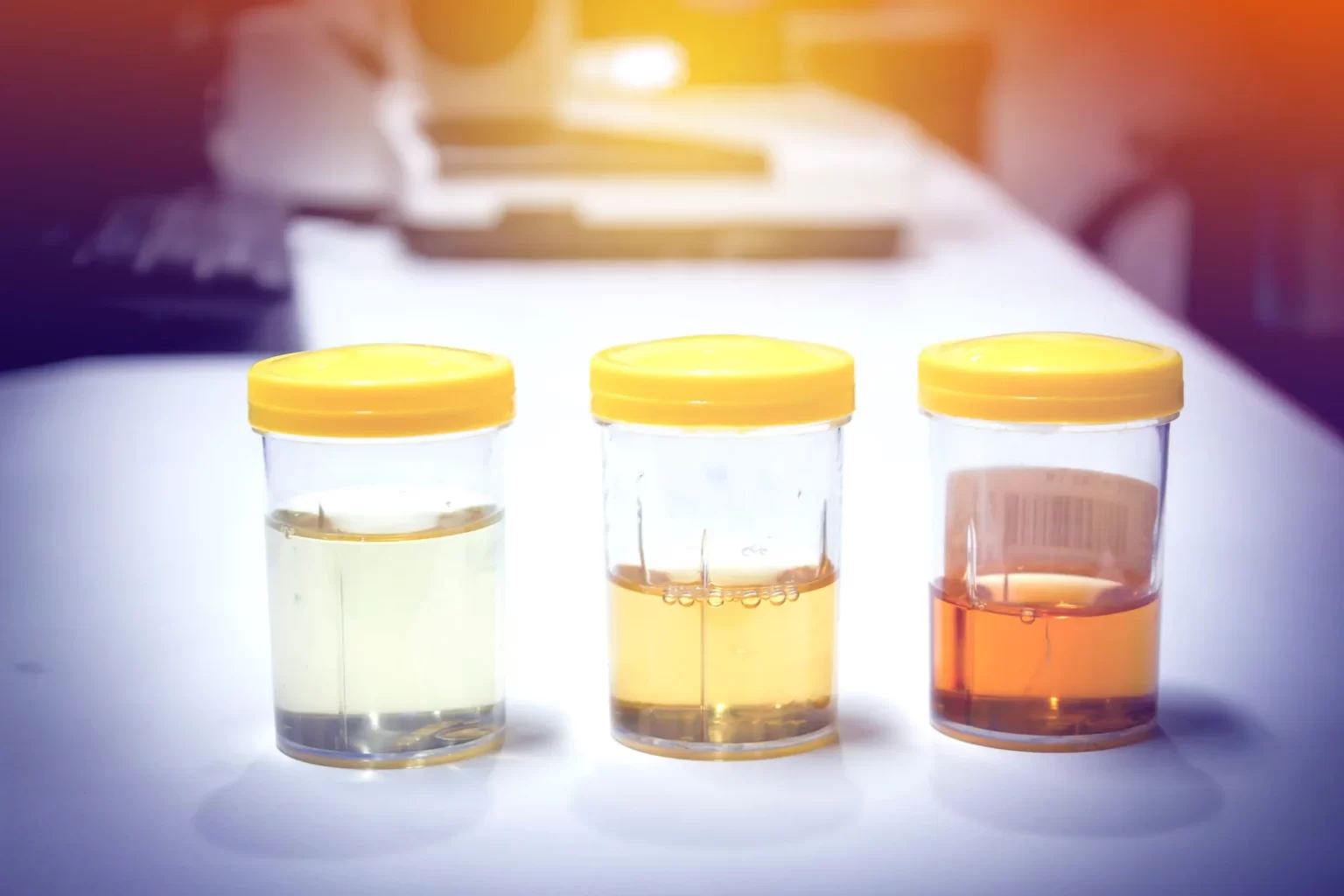
Your urine can offer a few useful clues about hydration and certain changes taking place inside your body. While urine color by itself cannot confirm a medical condition, noticeable or persistent changes can sometimes be a reason to pay closer attention.
Normal urine can range from very light yellow to a darker yellow, largely depending on how concentrated it is. Water intake, foods, medications, vitamins, and some health conditions can all influence its appearance.
A temporary change is often nothing serious. However, unusual urine color that continues or occurs alongside symptoms such as pain, fever, blood, or changes in urination should be discussed with a healthcare professional.
Pale Yellow Urine Usually Indicates Good Hydration
Light yellow urine is commonly associated with an adequate fluid intake.
Much of urine’s yellow color comes from a pigment called urochrome. When the body has less water, this pigment becomes more concentrated, making the urine appear darker.
If your urine is pale yellow and you otherwise feel healthy, its color generally isn’t something to worry about.
At the same time, you don’t need to drink excessive amounts of water just to make your urine completely clear.
Dark Yellow Urine May Mean You Need More Water
Darker yellow urine is often a sign that the urine is more concentrated.
This is particularly common first thing in the morning after several hours without drinking. It can also happen after exercise, during hot weather, or when you haven’t consumed enough fluids throughout the day.
If darker urine is accompanied by thirst, drinking an appropriate amount of fluids may help it return to a lighter shade.
However, if the dark color continues despite adequate hydration, another cause may need to be considered.
Clear Urine Isn’t Necessarily the Goal
It is easy to assume that completely transparent urine means you are perfectly hydrated.
Clear urine can certainly occur after consuming a lot of fluids, but most healthy people do not need to constantly drink large quantities of water.
Too much water can dilute the sodium concentration in the blood. In extreme cases, this can lead to a potentially dangerous condition called hyponatremia.
For most people, light-yellow urine is a more practical indication of normal hydration than trying to keep urine completely clear.
Orange Urine May Have Different Explanations
Orange-colored urine can sometimes occur when urine becomes very concentrated.
Certain medications can also produce an orange appearance. Some medicines prescribed for urinary problems, for example, are known to cause this type of discoloration.
However, orange urine accompanied by yellow skin or eyes, unusually pale stools, or other concerning symptoms should be evaluated.
Problems involving the liver or bile system can sometimes affect urine color.
If you believe a medication is responsible for the change, don’t stop taking a prescribed medicine without medical advice. Instead, ask your doctor or pharmacist whether the color change is a known side effect.
Pink or Red Urine Shouldn’t Be Ignored
Urine that appears pink, red, or reddish-brown can sometimes contain blood.
The medical term for blood in the urine is hematuria. There are several possible causes, including urinary tract infections, kidney stones, injuries, some medications, and conditions affecting the kidneys or urinary system.
However, red-looking urine does not always mean blood is present.
Certain foods, including beets, can temporarily make urine appear reddish.
Even so, unexplained pink or red urine should not automatically be dismissed, particularly when the change persists.
If you notice blood or unexplained red urine, contacting a healthcare professional for an assessment is the safest approach.
Brown or Tea-Colored Urine Can Be Concerning
Very dark brown or tea-colored urine can sometimes result from severe concentration.
But there are other possible explanations, including certain medications and health conditions involving the liver.
Significant muscle damage can also release a substance called myoglobin into the urine, which may cause it to become unusually dark.
If brown urine appears without an obvious explanation, medical advice is especially important when it occurs with weakness, abdominal pain, fever, yellowing of the skin or eyes, or other symptoms.
Blue or Green Urine Is Rare
Blue or green urine is uncommon, but it can happen.
Certain medications, medical dyes, foods, and supplements may temporarily change urine to these unusual colors.
In less common situations, infections or other medical conditions can also contribute to unusual discoloration.
If your urine becomes blue or green and you cannot identify a reasonable explanation, speak with a healthcare professional.
Cloudy Urine Can Have Several Causes
Healthy urine is generally fairly clear, but cloudiness can develop for a number of reasons.
Dehydration, minerals present in urine, dietary factors, or vaginal discharge can sometimes make urine appear cloudy.
Cloudiness becomes more concerning when it occurs together with symptoms such as burning while urinating, needing to urinate frequently, pelvic discomfort, fever, or an unusually strong odor.
These symptoms can occur with a urinary tract infection, and a healthcare professional can determine whether urine testing is appropriate.
A Strong Urine Odor Isn’t Always a Problem
Urine odor can change for completely harmless reasons.
Certain foods are well known for affecting the smell of urine. Asparagus is one familiar example, although other foods can have similar effects.
When urine becomes more concentrated because of dehydration, its odor may also become stronger.
Vitamins, supplements, and medications can affect urine smell as well.
However, an unusual smell that doesn’t go away, particularly when combined with pain, burning, fever, or frequent urination, should be evaluated.
Vitamins Can Make Urine Bright Yellow
Some vitamin supplements can produce a very noticeable change in urine color.
B vitamins, especially riboflavin, can cause urine to become extremely bright yellow or almost fluorescent in appearance.
Although the color can look surprising, this is often simply the result of the body eliminating excess water-soluble vitamins.
If the change started after you began taking a supplement and you feel otherwise well, ask your doctor or pharmacist whether the supplement could be responsible.
Dehydration Causes More Than Dark Urine
Urine color is only one possible indicator of hydration.
Other signs of dehydration can include increased thirst, dry mouth, tiredness, dizziness, and urinating less frequently than usual.
Fluid loss can become more likely during hot weather, prolonged physical activity, vomiting, diarrhea, or certain illnesses.
Replacing lost fluids is important, but not everyone has the same fluid requirements.
If a healthcare professional has instructed you to limit your fluid intake because of a medical condition, follow that advice instead of trying to judge hydration solely by urine color.
Urine Color Cannot Tell You Everything
It is important not to treat urine color as a medical diagnosis.
One unusual urine sample does not necessarily mean that something is wrong.
Likewise, urine that looks completely normal does not prove that your health is perfect.
Some medical conditions cause no obvious changes in urine appearance.
If your doctor is concerned about your kidneys, urinary system, or overall health, they may recommend a urinalysis, blood work, imaging, or other tests rather than relying on urine color.
When You Should Contact a Doctor
A persistent or unexplained change in urine color is worth discussing with a healthcare professional, especially if other symptoms are present.
These can include:
Pain or burning during urination
Needing to urinate unusually often
Fever
Lower abdominal or back pain
Visible blood in the urine
A major decrease in urination
Swelling
Feeling unusually weak or unwell
People who already have kidney, liver, or urinary conditions should also speak with their healthcare provider about significant changes.
When Urinary Symptoms May Need Urgent Attention
Certain combinations of symptoms should be taken more seriously.
Visible blood accompanied by severe pain, fever, vomiting, or difficulty passing urine requires prompt medical assessment.
Very little or no urine, severe pain in the side or back, confusion, or significant weakness can also indicate a potentially serious problem.
If symptoms are severe or you believe you may be experiencing a medical emergency, seek immediate medical care.
Final Thoughts
Urine color can provide some useful information about hydration and may occasionally offer clues about changes occurring in the body. However, it should never be treated as a standalone health test.
Light-yellow urine is commonly associated with adequate hydration, while darker yellow urine can occur when the urine is more concentrated. Orange, red, brown, blue, green, or persistently cloudy urine can have many possible causes.
Some are harmless, such as certain foods, vitamins, or medications. Others may require medical evaluation.
The key is to consider the entire picture, rather than focusing on color alone.
A temporary change after eating a particular food or taking a supplement may not be concerning. But a persistent, unexplained change—especially when accompanied by blood, pain, fever, or altered urination—should be discussed with a healthcare professional.
When you’re unsure, getting professional medical advice is safer than trying to diagnose the cause from urine color alone.