Black Seed: Exploring the Science Behind This Traditional Ingredient
Black seed, scientifically known as Nigella sativa and commonly called black cumin, kalonji, or habbatul barakah, has been valued for centuries in traditional Arabic, Ayurvedic, and Asian medicine. Today, it continues to attract attention because researchers have identified several biologically active compounds that may contribute to its health-supporting properties.
One of the most studied compounds in black seed is thymoquinone. This natural substance has demonstrated antioxidant and anti-inflammatory activity in laboratory and preclinical research. Other compounds, including thymol, thymohydroquinone, alpha-hederin, and nigellone, have also been investigated for their potential biological effects.
Black seed has been studied in relation to several areas of health. Research suggests that consuming black seed powder or oil may have modest effects on blood sugar and other markers of metabolic health. Some studies have also explored its potential influence on cholesterol and triglyceride levels, although results vary and more high-quality research is needed.
The seeds have also attracted scientific interest because of their antioxidant properties. Antioxidants help protect cells from oxidative stress, a process associated with normal aging and various chronic conditions. Meanwhile, laboratory studies indicate that compounds in black seed may influence inflammatory pathways within the body.
Traditional medicine has also used black seed for respiratory and digestive complaints. Some preliminary research suggests that certain components may have bronchodilating or antimicrobial properties, but these findings should not be interpreted as proof that black seed can cure serious illnesses.
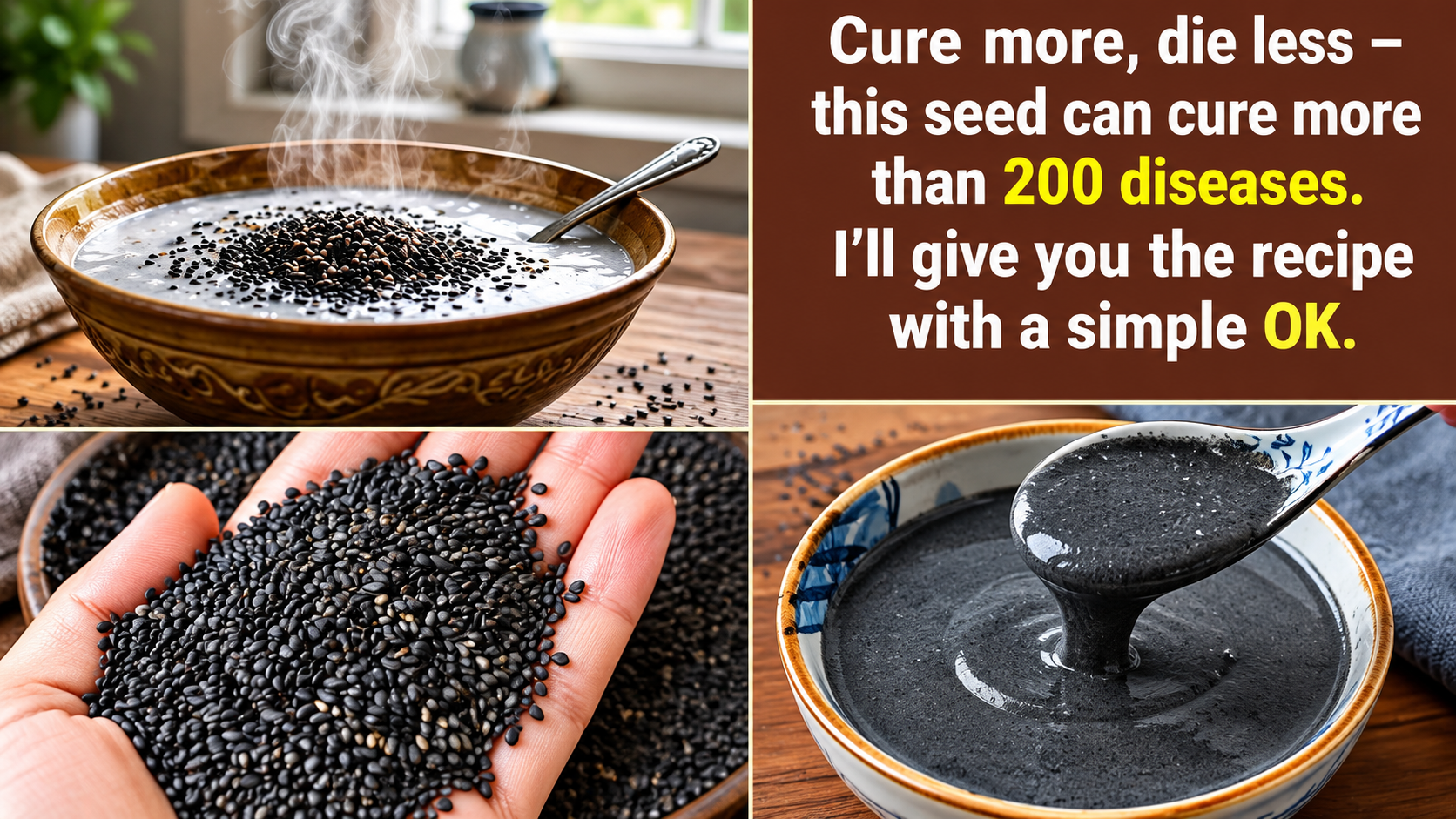
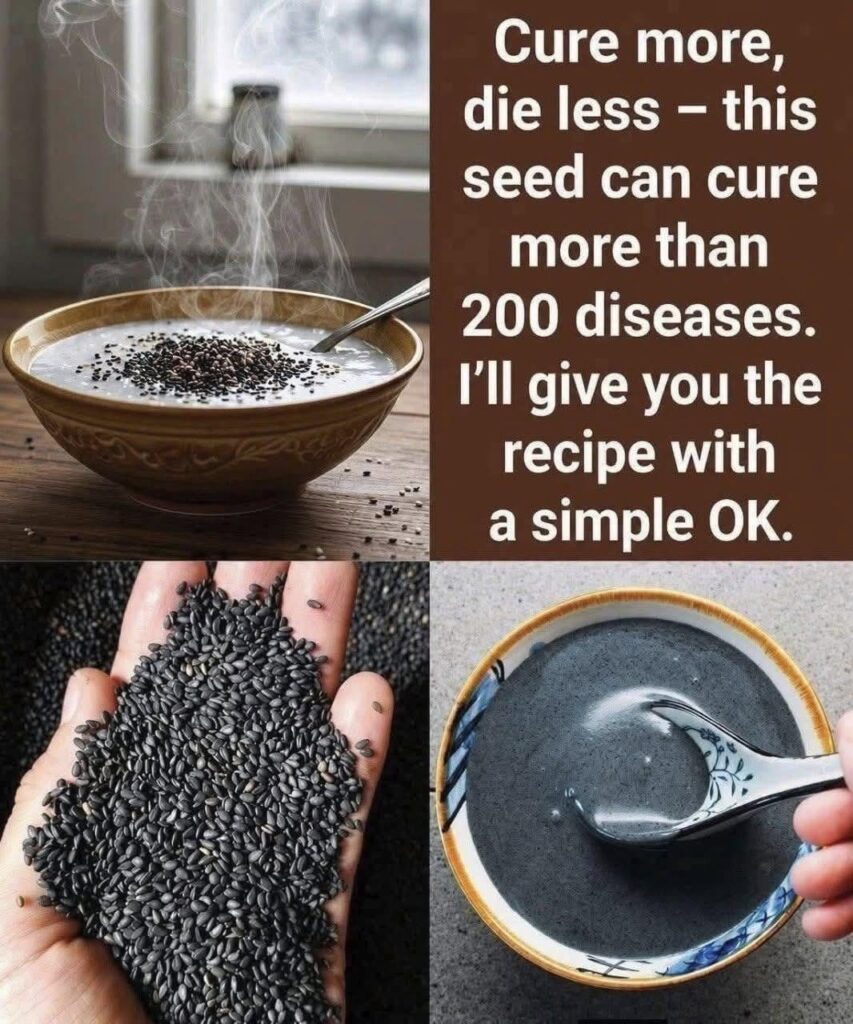
Despite viral claims that black seed can “cure more than 200 diseases,” there is no reliable clinical evidence supporting such a sweeping statement. Black seed may offer useful health benefits as part of a balanced lifestyle, but it should not replace prescribed medication or professional medical treatment.
Overall, Nigella sativa is a fascinating traditional ingredient with promising scientific potential. Its active compounds are being studied for their antioxidant, anti-inflammatory, metabolic, and other biological effects. However, further well-designed human studies are necessary to determine exactly how effective it is and which health conditions may benefit most.