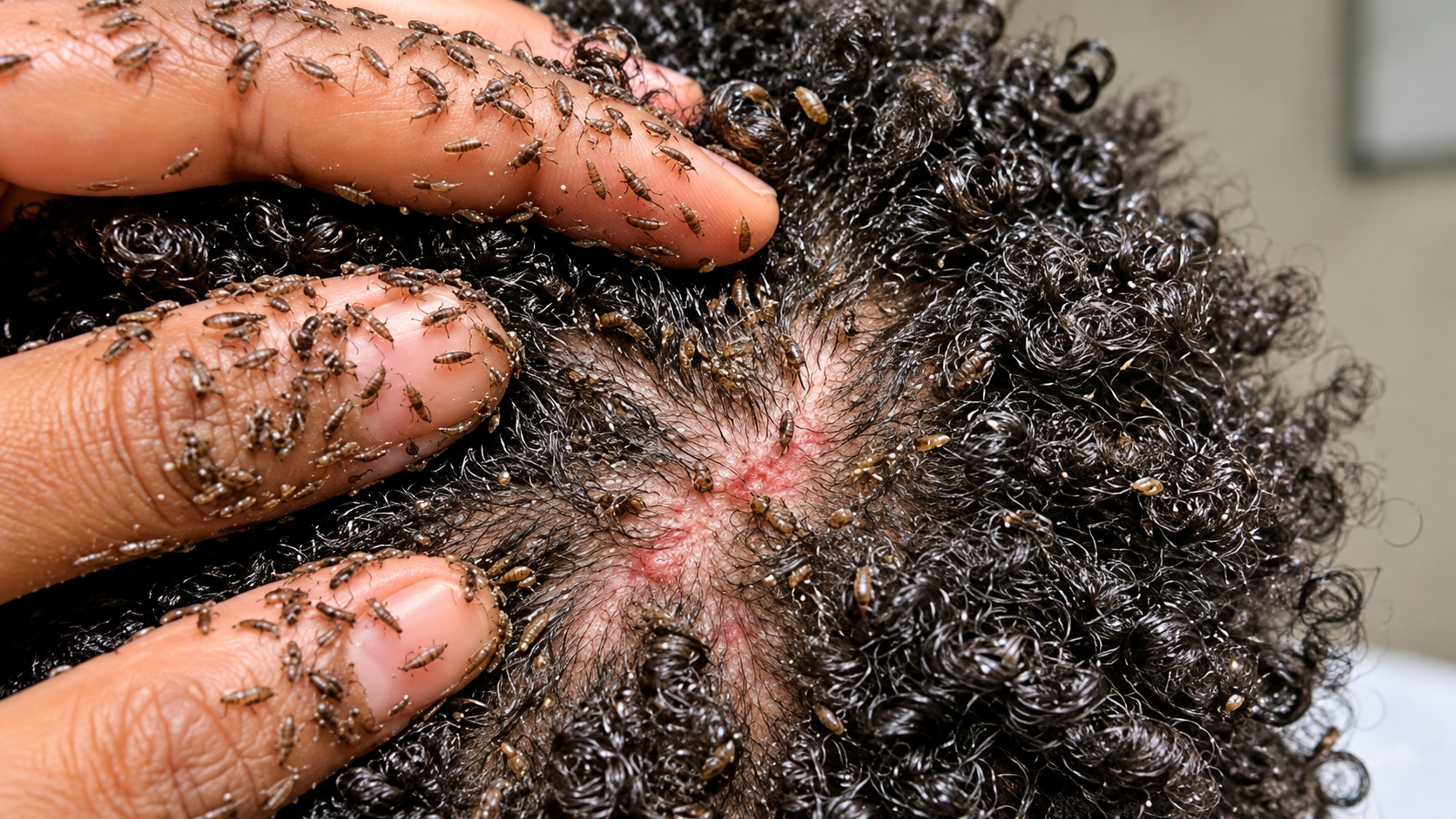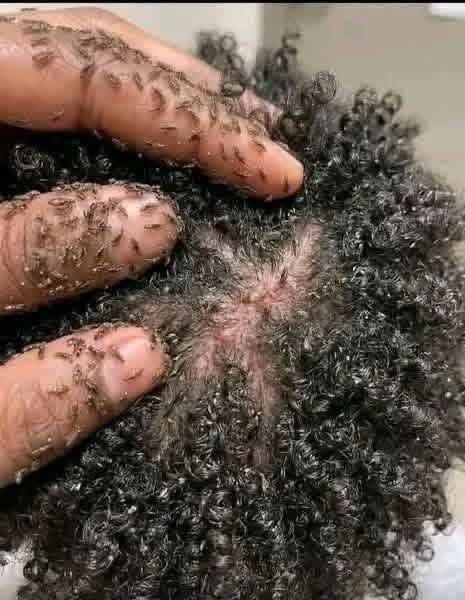
Finding tiny insects or small eggs attached to your hair can be stressful, especially when accompanied by itching or scalp irritation. Head lice are tiny parasitic insects that live near the scalp and feed on small amounts of blood. They are common among children and adults and can affect anyone, regardless of personal hygiene or hair type.
One of the most common symptoms of head lice is persistent itching. This occurs when the scalp reacts to bites from the insects. Some people may also experience a tickling or crawling sensation in their hair. However, itching does not always indicate a lice infestation, as dandruff, dry skin, and other scalp conditions can cause similar discomfort.
Another important sign is the presence of nits, which are lice eggs attached firmly to individual strands of hair. They are usually found close to the scalp, particularly behind the ears and around the back of the neck. Unlike dandruff, which can be brushed away easily, nits cling tightly to the hair and are more difficult to remove.
The best way to confirm head lice is to examine the scalp carefully using a fine-toothed lice comb. Finding live lice is the clearest indication of an active infestation. Checking the hair under good lighting can help you identify the problem early and begin appropriate treatment.
Head lice primarily spread through direct head-to-head contact. They cannot jump or fly, but they can crawl from one person’s hair to another during close contact. Sharing personal items, such as combs, brushes, hats, and pillowcases, may occasionally contribute to transmission. Having head lice is not a sign of poor cleanliness.
Fortunately, head lice can usually be treated successfully. Special lice treatments available at pharmacies can help eliminate the insects when used according to the product instructions. Wet-combing with a fine-toothed comb is another useful method for removing lice and nits. Some treatments require a second application after several days to kill newly hatched lice.
It is also sensible to check household members for signs of infestation and wash recently used pillowcases, clothing, and bedding according to their care instructions. Avoid sharing hair accessories until the infestation has been addressed.
If itching continues after treatment, or the scalp develops painful sores or signs of infection, seek advice from a healthcare professional. Early identification, appropriate treatment, and careful follow-up can help prevent reinfestation and keep your scalp comfortable and healthy.