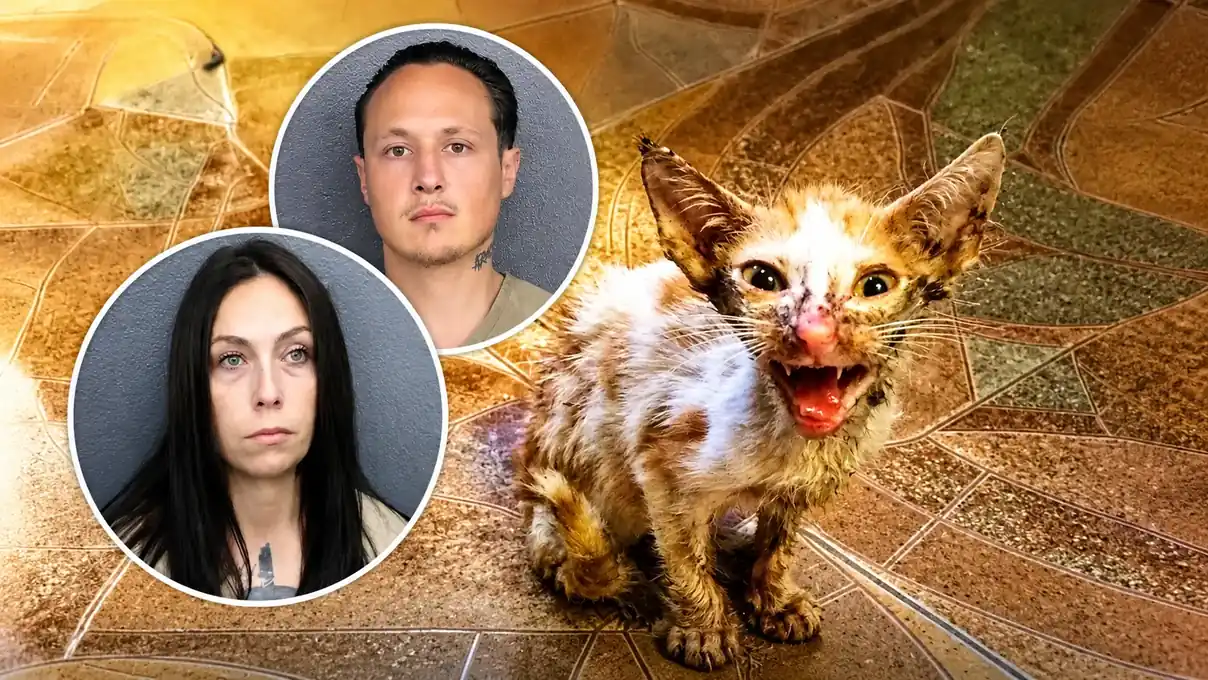
When allegations of animal cruelty emerge, they often spark public concern and renewed calls for stronger protections for vulnerable pets. In Broward County, Florida, Brett Anthony Bellera and Jennifer Armenti were reportedly charged with felony aggravated animal cruelty following an investigation into the death of a cat named Reaper at an apartment in Fort Lauderdale.
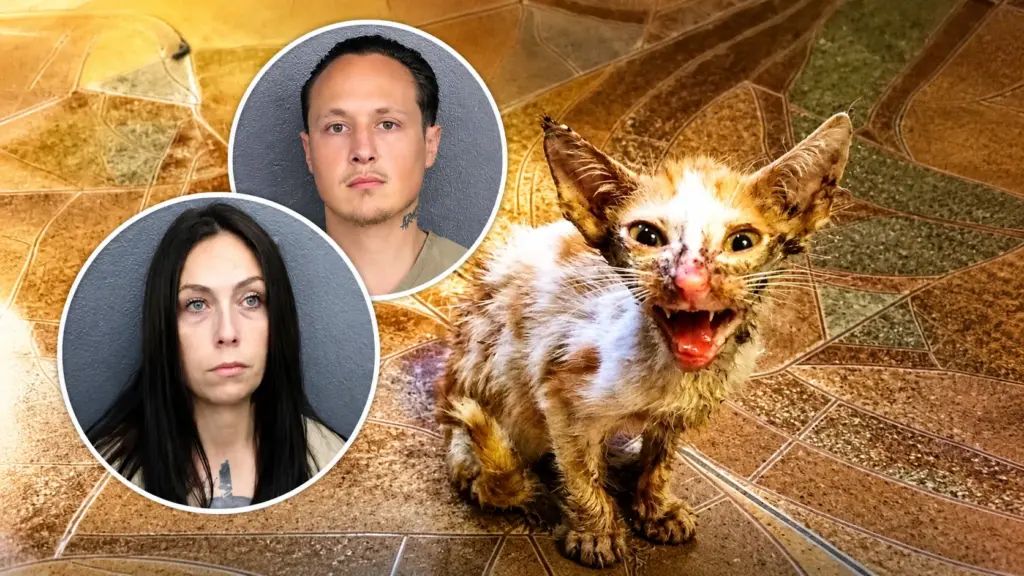
According to court affidavits, a veterinary forensic examination found that the cat suffered fatal heat exposure. The Broward County Sheriff’s Office investigated the case, and the findings became an important part of the criminal proceedings. The allegations remain subject to the legal process, and the defendants are entitled to the presumption of innocence unless proven guilty.
The case attracted additional attention because Bellera is the son of Amy Fisher, who became widely known following a highly publicized legal case in 1992 involving Mary Jo Buttafuoco. Although family connections often generate headlines, the central issues in an animal cruelty investigation are the available evidence, expert findings, and applicable laws.

Cats have shared their lives with humans for thousands of years. In ancient Egypt, they were associated with protection, grace, and the goddess Bastet. Across many cultures, cats have been valued as companions and for their ability to control pests. Today, they remain beloved members of countless households, providing comfort and companionship to people of all ages.
Because pets depend on humans for food, shelter, medical attention, and protection, responsible ownership is essential. Animals cannot explain their suffering in words, making it particularly important for people to recognize signs of distress and report suspected mistreatment.

Veterinary forensic pathology can play a significant role in investigating suspected animal abuse. Specialists examine an animal’s remains, document injuries, and assess tissue changes to help determine the likely cause of death. Their findings may assist investigators in reconstructing events and evaluating whether the available evidence is consistent with accidental harm or deliberate mistreatment.
Florida law provides criminal penalties for certain forms of aggravated animal cruelty. Depending on the circumstances and the outcome of a prosecution, a conviction may carry serious legal consequences. However, charges alone do not establish guilt, and every case must be evaluated fairly.

Communities can help protect animals by reporting suspected cruelty to local authorities, supporting animal rescue organizations, and promoting humane treatment. Ultimately, cases like Reaper’s highlight the importance of compassion, scientific investigation, and accountability. Protecting companion animals requires responsible caretakers, effective enforcement, and a shared commitment to preventing unnecessary suffering.