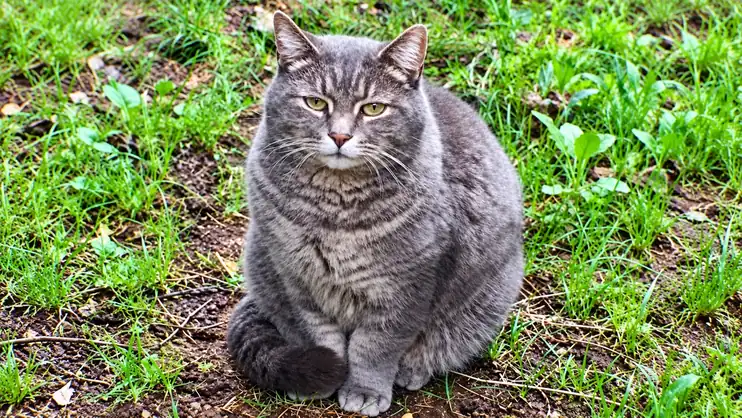
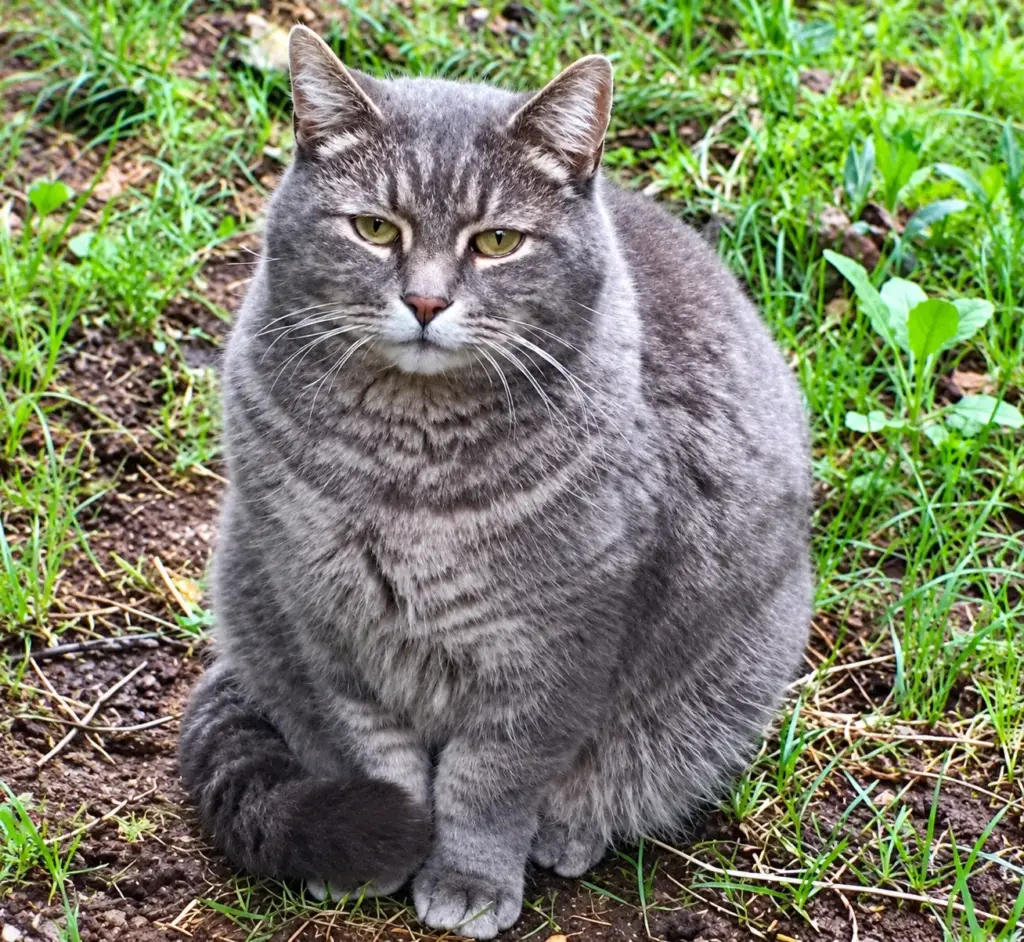
In the peaceful coastal town of Port Townsend, Washington, an eight-year-old cat named Bernie faced an uncertain future after losing the person he had known as family. His story touched the heart of an anonymous animal lover who discovered his photograph on social media and decided to give him a second chance at life.
For two months, caring neighbors had provided Bernie with food and water while he stayed in a garage. However, when his owner’s house went up for sale, Bernie risked being surrendered to a local shelter or left to survive alone. Fortunately, one compassionate person stepped forward to offer him a permanent home.
The decision was deeply personal. The new owner had recently lost a beloved fifteen-year-old cat to feline lymphoma and understood the heartbreak of saying goodbye to a cherished companion. Hoping to welcome another mature cat into their life, they believed Bernie deserved a peaceful place where he could feel safe again.
But settling into his new home proved far more challenging than expected.
Instead of exploring his surroundings or seeking affection, Bernie spent weeks hiding inside a bedroom closet. He showed little interest in toys, laser pointers, roast chicken, or tempting seafood treats. During daylight hours, he remained withdrawn, emerging mainly at night when the house was quiet and he could explore without feeling watched.
Rather than forcing Bernie to socialize, his new guardian chose patience and understanding. He was allowed to hide, observe, and adjust at his own pace.
Cats can struggle when familiar surroundings and trusted caregivers suddenly disappear. Changes in territory, routine, and familiar scents may cause stress, leading some animals to withdraw from people. Cats with limited positive human contact during kittenhood may also find social interaction difficult.
Helping a frightened cat requires a calm environment, consistent routines, accessible food and water, comfortable hiding places, and plenty of time. Gentle companionship without forced touching can gradually help an anxious animal develop confidence. Even small improvements, such as eating comfortably or exploring a room, can represent meaningful progress.
Bernie’s journey reminds us that adoption is not always filled with instant cuddles and playful moments. Sometimes, compassion means accepting an animal exactly as it is.
His new guardian did not expect Bernie to change overnight. Instead, they offered something far more important: security, freedom, and a home where he would never have to face an uncertain future alone.