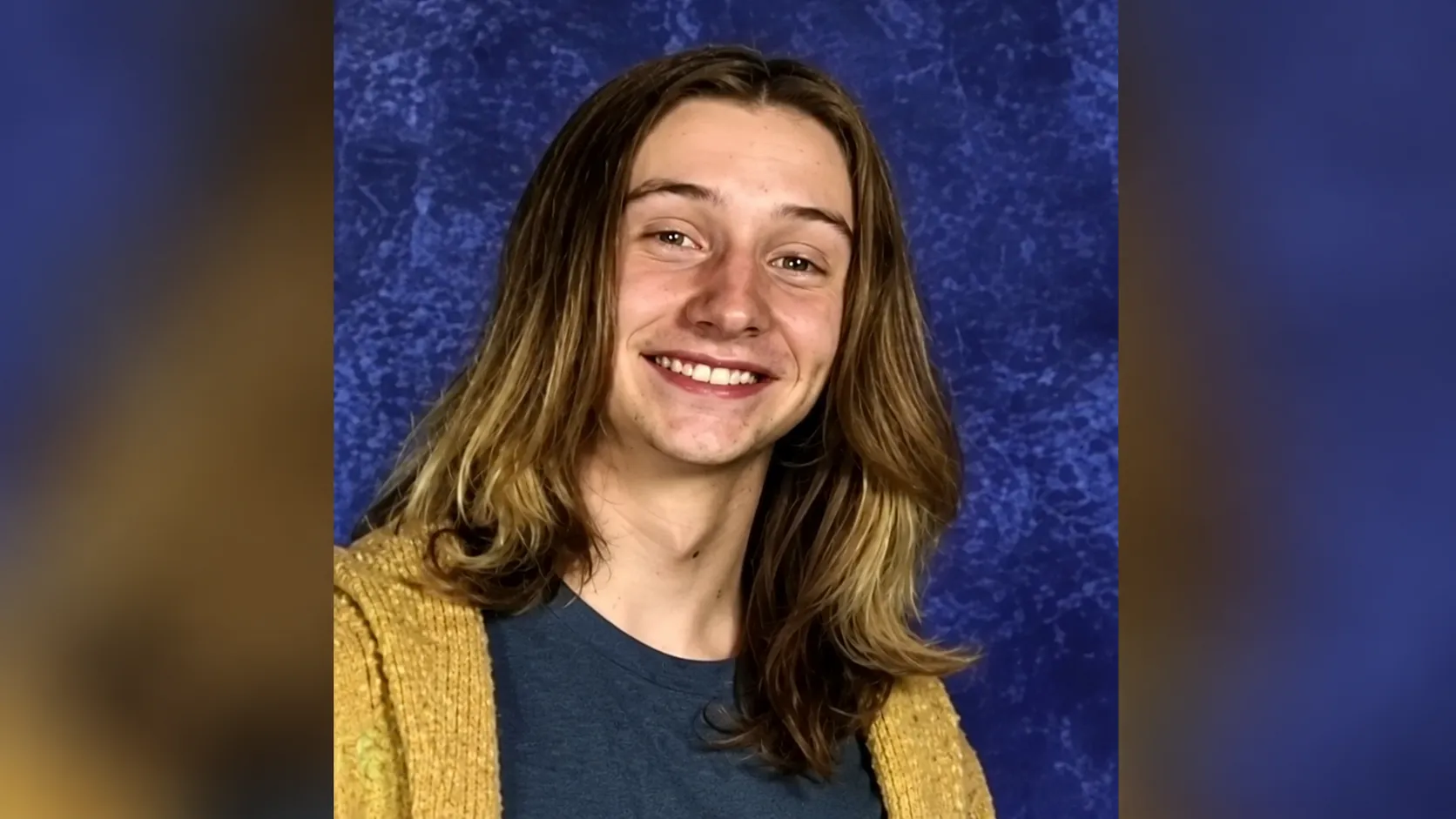
Joshua Maddux was an ordinary 18-year-old with a passion for writing and music. Described as a free spirit, he lived with his father and two sisters in Woodland Park, Colorado, a place he loved for its beautiful natural surroundings.
On May 8, 2008, Joshua went for a walk in the nearby Pike National Forest—but never came home.
His disappearance left everyone who knew him devastated, especially his family, who had already suffered a heartbreaking loss when Joshua’s brother died by suicide two years earlier.

The search for Joshua was extensive and urgent. His father, Mike Maddux, and his friends searched everywhere they could think of, but there was no trace of the teenager. Five days later, the family filed a missing-person report.
Authorities joined the search, repeatedly combing through the surrounding woodland. Despite their efforts, they found nothing. Days became months, and months eventually turned into years, with Joshua’s whereabouts remaining unknown.
His family refused to abandon hope. His sister Kate imagined that he might be living independently, traveling with a band, or writing novels under a different name. She pictured him returning one day with stories to share and perhaps a family of his own.
His father, Mike, also spoke about the heartbreak of losing Joshua’s brother, Zachary, to suicide before he graduated from high school. That tragedy had deeply affected Joshua, although friends said he appeared happy in the days before he disappeared.
Then, in August 2015, Joshua was finally found. But he was not alive, living the life his sister had imagined.
Instead, construction workers demolishing an old cabin on Meadowlark Lane, just two blocks from Joshua’s home, made a horrifying discovery: a body trapped inside one of the chimneys.
The remains had been there for years and were already mummified. Dental records confirmed the devastating truth: the body belonged to Joshua Maddux.
“I about had a heart attack,” Mike Maddux recalled.
Authorities reported that Joshua was wearing only a thin thermal shirt when his body was discovered. His other clothing—including his pants, shoes, and socks—had been neatly folded inside the cabin.
Even more puzzling, a heavy wooden breakfast bar had been moved inside and placed in a position that blocked the chimney.

The autopsy found no evidence of physical trauma or broken bones. Investigators discovered no knife wounds, bullet injuries, or drugs.
Teller County Coroner Al Born initially classified the death as an accident. He believed Joshua may have climbed into the chimney, become stuck, and died from hypothermia during freezing overnight conditions. However, the cabin’s owner, Chuck Murphy, strongly disagreed with that explanation.
“The place was damp,” Murphy said. “It smelled like hell. There was raccoon poop all over the place.” He also explained that around 20 years earlier, he had installed a thick wire barrier at the top of the chimney to prevent animals from entering.
“There’s no way that guy crawled inside that chimney with that steel webbing,” Murphy insisted. “He didn’t come down the chimney.”
Born subsequently reopened the case. The position of Joshua’s body suggested he had entered the chimney headfirst, something Murphy believed might have required two people.
The coroner later changed the classification to accident, homicide, or undetermined, while continuing to maintain that Joshua had entered the chimney.
“This one really taxed our brains,” Born admitted. “We don’t know why he took his clothes off, took his shoes and socks off, and why he went outside, climbed on the roof and went down the chimney. It was not linear thinking.”
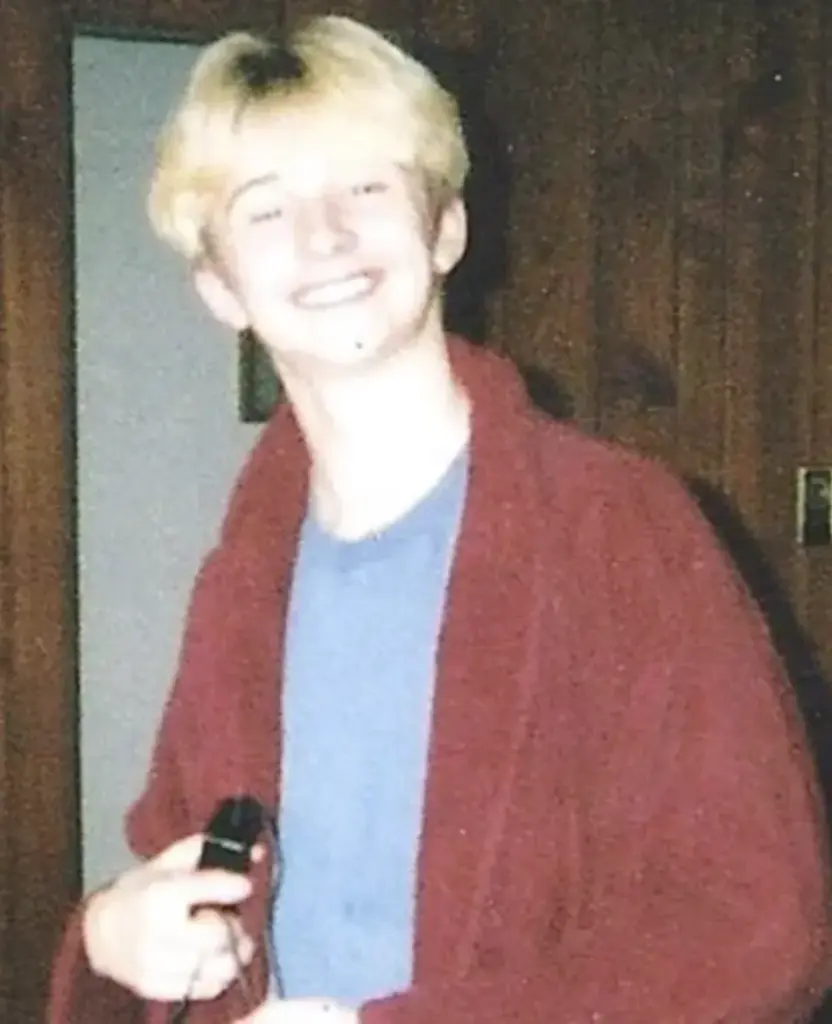
Police received tips alleging that someone had bragged about putting Joshua “in a hole.” One potential suspect, who had a history of violence, had reportedly been seen with Joshua shortly before his disappearance. That individual was later arrested in connection with an unrelated fatal stabbing. However, investigators could not substantiate the claims surrounding Joshua’s death.
Born also questioned whether one person could have placed the teenager inside the chimney without assistance.
Over the years, Murphy occasionally visited the cabin and noticed an unpleasant smell, which he assumed came from dead rodents. He never thought to examine the chimney, particularly because furniture had been used to block it. Given the cabin’s isolated location, it is also possible that nobody would have heard Joshua calling for help.
“It’s a real conundrum. A tragic, terrible story,” Murphy reflected. “We’ll never really know what happened to him. It’s a horror story in my mind to imagine what my brother must have gone through.”
“All I know is he did not go down that chimney. I think it will remain a mystery. One of those sad stories.”