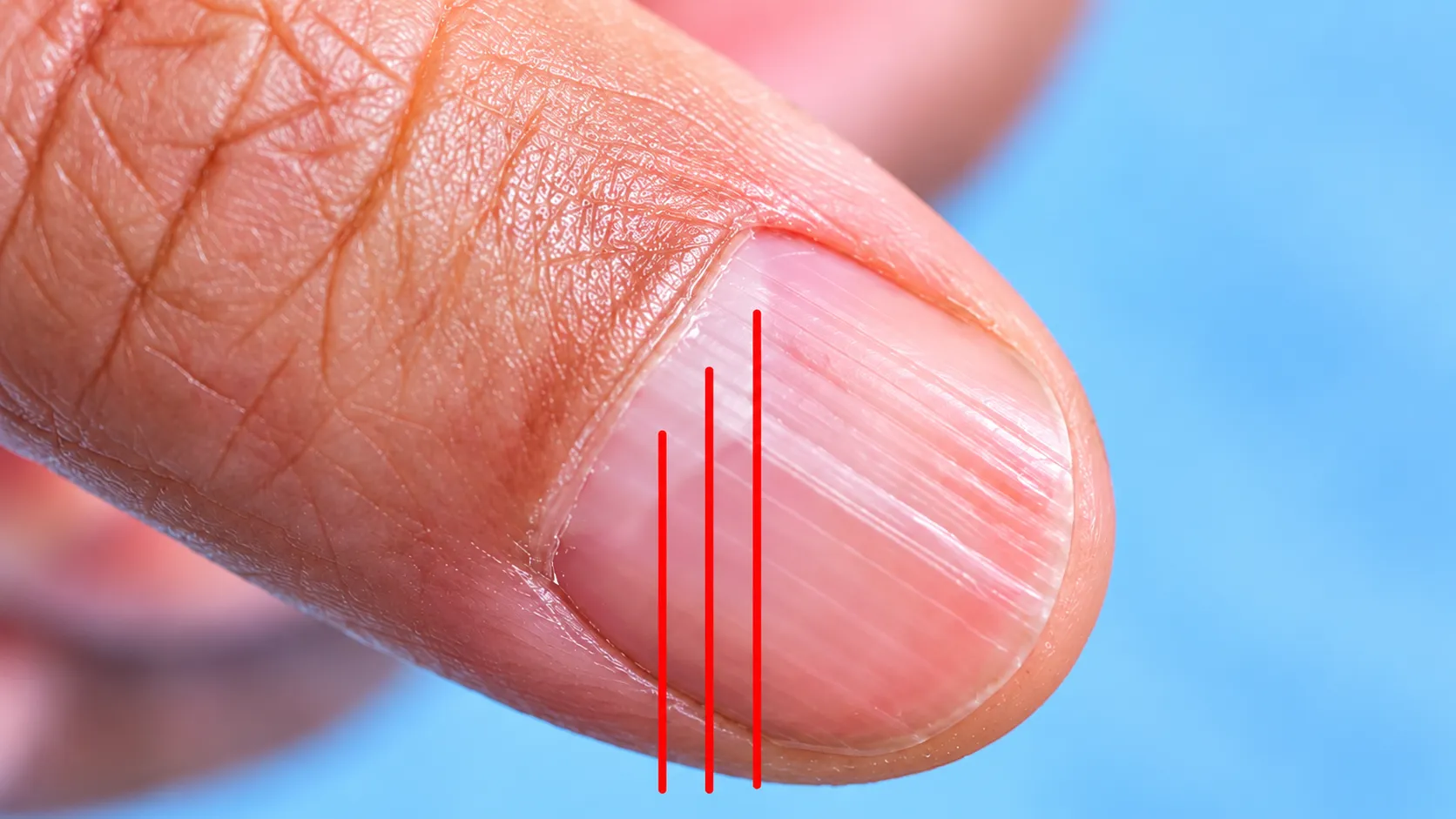
It may be easy to think of your nails as nothing more than a place to apply colorful polish or something that needs trimming every week. However, there is much more to them than meets the eye. As your nails grow, they depend on a steady supply of nutrients, oxygen, and blood. When something interferes with this process, whether through nutritional deficiencies or an underlying health condition, changes may become visible in your nails.
According to naturopathic doctor Sara Norris, nail growth can reflect how effectively your body digests and absorbs essential nutrients from food. Problems affecting this process or certain aspects of your health may eventually appear as changes in nail appearance. Learning to recognize these signs may help you identify potential concerns and seek medical advice when necessary.
Beau’s Lines: A Possible Warning Sign
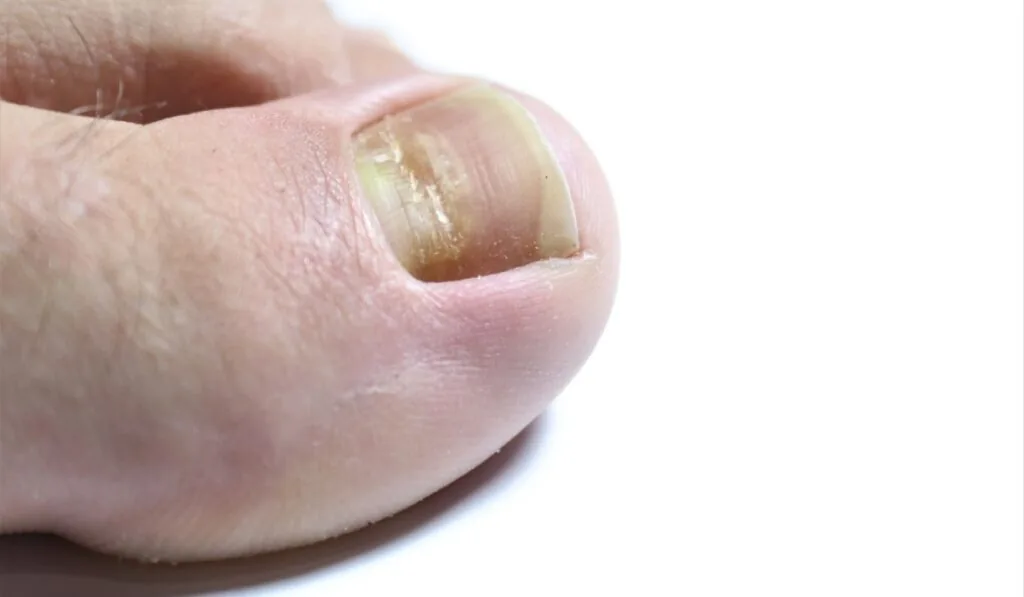
Beau’s lines are deep grooves or ridges that run across the nails and may indicate that nail growth was temporarily interrupted by a serious illness or infection. “These lines can appear after illnesses such as COVID-19 or stressful events like chemotherapy or high fevers,” explains Dr. Bhavini Shah of Lloyds Pharmacy Online Doctor. In more severe cases, nail growth may stop completely, a condition known as onychomadesis. Although Beau’s lines are not always a reason for alarm, persistent or recurring changes should be discussed with your doctor. Paying attention to unusual nail changes may offer useful clues about how your body has responded to illness or physical stress.
Clubbing: A Possible Link to Heart Health
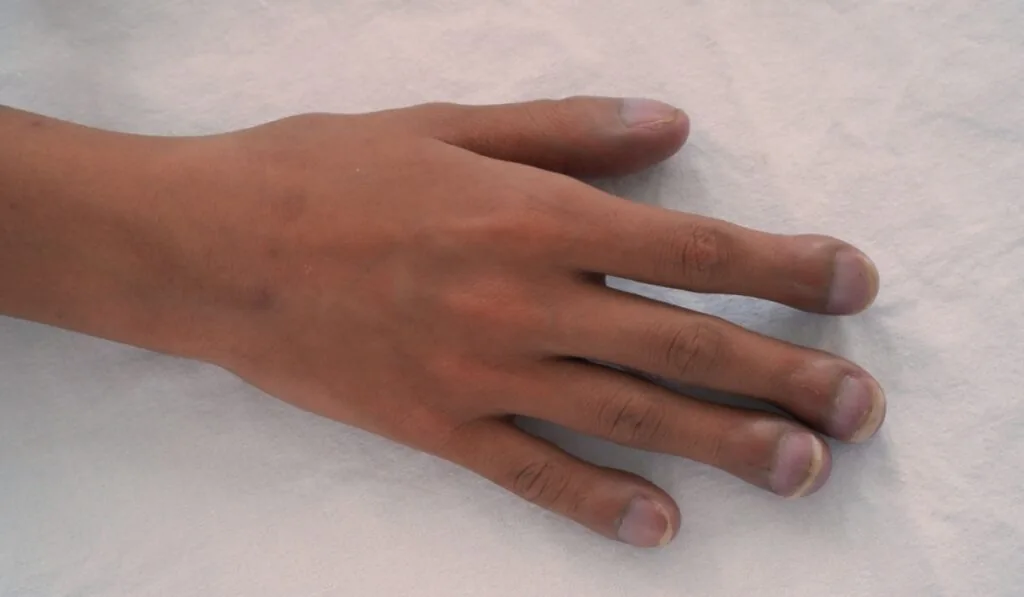
When the fingertips become enlarged and the nails curve downward, the condition is known as clubbing. It can sometimes be associated with heart disease. Dr. Shah notes that clubbing usually develops gradually, meaning noticeable changes may take time to appear. Other symptoms that may occur alongside an underlying condition include swollen ankles, unusual fatigue, and chest pain. Some people naturally have this nail shape, but newly developing clubbing should be assessed by a healthcare professional, particularly when accompanied by other symptoms. Recognizing these changes early may help identify conditions that require medical attention.
Spoon-Shaped Nails: A Possible Sign of Iron Deficiency
Spoon-shaped nails curve inward, creating a hollow appearance, and are sometimes associated with iron-deficiency anemia. They may develop because of inadequate nutrition, digestive problems, or conditions such as celiac disease. Other possible symptoms of anemia include pale skin, headaches, and shortness of breath. Dr. Shah recommends arranging a medical appointment if spoon-shaped nails develop, as blood tests can help determine whether iron deficiency is responsible. Depending on the cause, treatment may involve iron supplements and dietary adjustments. Paying attention to these changes can help you recognize when further investigation may be needed.
Nail Pitting: A Possible Sign of Skin Conditions
Small dents or pits across the nail surface may indicate more than a cosmetic concern. Nail pitting is commonly associated with certain skin conditions, including psoriasis, and can also occur with other disorders such as alopecia areata, which causes hair loss. Dr. Bhavini Shah explains that these conditions may produce additional symptoms. Psoriasis, for example, can cause dry, scaly skin patches, while eczema may lead to redness, itching, and cracked skin. Alopecia areata is associated with patchy hair loss. Mild nail pitting may not need specific treatment, while more significant cases may require treatment directed at the underlying condition. If you notice persistent or pronounced dents in your nails, a dermatologist can help identify the possible cause and recommend suitable care.
Melanoma: A Serious Concern Beneath the Nails
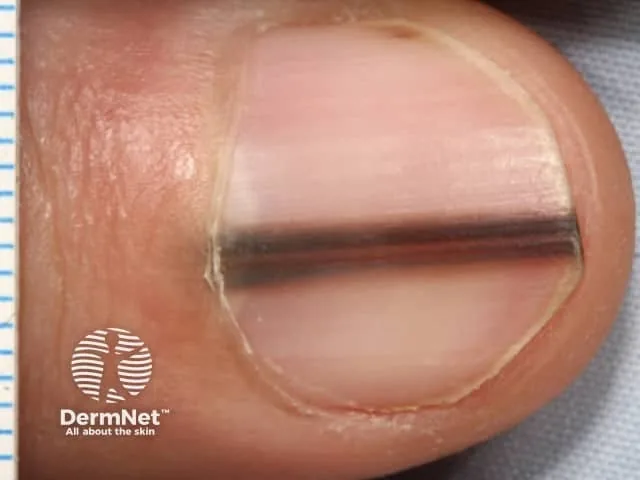
Sometimes, nail changes can be associated with serious conditions, including melanoma, a potentially life-threatening form of skin cancer. One possible warning sign is a dark stripe running lengthwise along the nail. Although many dark lines are harmless, a new or changing streak should be examined by a healthcare professional. Nail melanoma, also called subungual melanoma, is uncommon but can become dangerous if it is not detected and treated promptly. If you notice unexplained dark discoloration, particularly if the mark becomes wider, changes in appearance, or extends over time, arrange a medical assessment. Early evaluation can be important for identifying serious problems.
Terry’s Nails: A Possible Indicator of Liver Disease
Terry’s nails are characterized by a nail bed that appears mostly white, with only a narrow reddish or pinkish band near the tip. The condition is named after the doctor who first described it. Although this appearance can occur with aging, it may also be associated with health conditions such as liver disease, diabetes, and heart disease. When liver disease is involved, other symptoms may include jaundice, which causes yellowing of the skin, fatigue, and reduced appetite. If you notice a persistent change resembling Terry’s nails, consult a healthcare professional to determine whether an underlying condition needs attention.
Yellow Nails: More Than a Cosmetic Problem
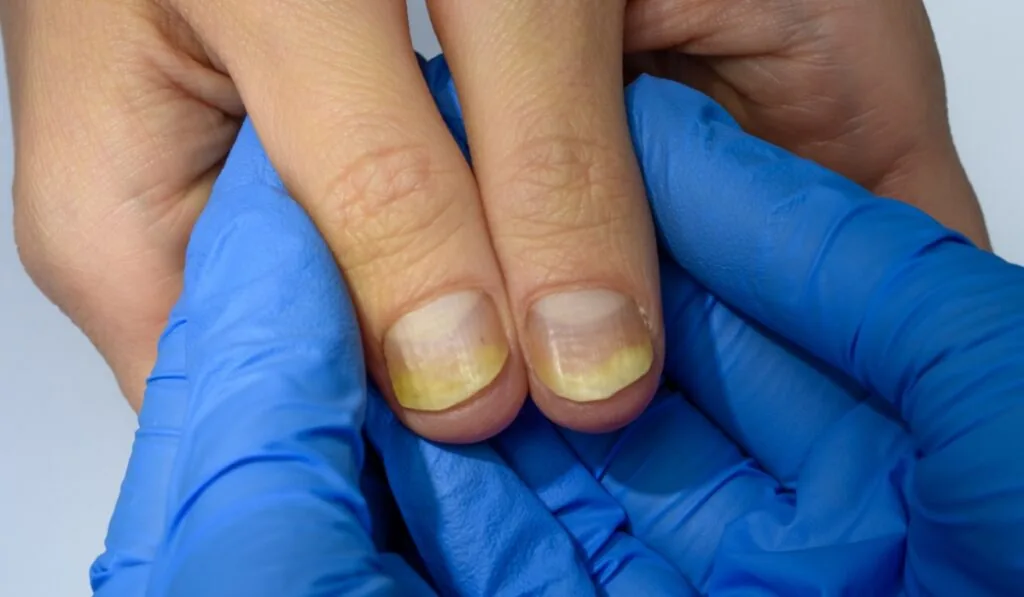
Yellow nails are often caused by fungal infections, but other possible explanations include thyroid disorders, diabetes, psoriasis, and certain lung conditions. A fungal infection may cause the nails to become thick, brittle, crumbly, or separated from the nail bed. Treatment can take time, depending on the severity and cause. If your nails develop persistent yellow discoloration that cannot be explained by nail polish or another obvious reason, consider seeking medical advice. Identifying and treating the underlying cause may help prevent further problems and improve nail appearance. Ongoing discoloration should not automatically be assumed to indicate a serious illness, but it deserves attention when it persists or occurs alongside other symptoms.
Take Action for Better Nail Health
Overall, your fingernails can offer some clues about what is happening inside your body. Certain changes may be associated with nutritional deficiencies, reduced oxygen levels, physical stress, or underlying medical conditions. Although it can be tempting to dismiss unusual nail features as harmless quirks, paying attention to persistent changes may help you recognize when a medical assessment is appropriate.
There is no need to worry excessively about every small spot, ridge, or variation in nail appearance, as many changes are harmless. However, if you notice an unexplained change that persists, worsens, or appears alongside other symptoms, consulting a healthcare professional is a sensible step. Taking a few minutes to check your nails regularly can help you become more familiar with their normal appearance and notice significant changes when they occur.