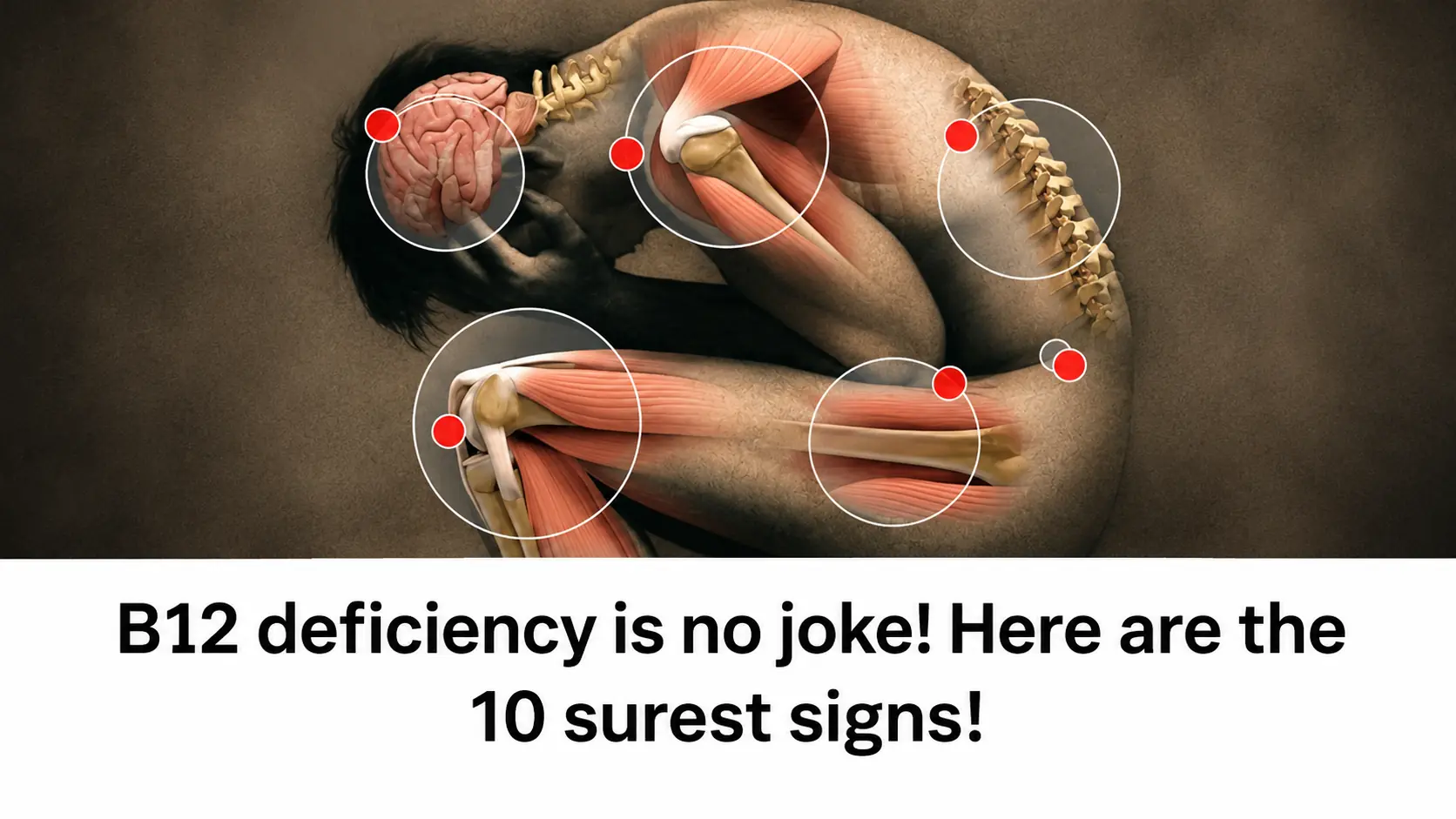
Vitamin B12 is an essential nutrient that helps keep the body healthy and functioning properly. It plays an important role in maintaining healthy nerves, producing red blood cells, and supporting DNA formation. But what happens when your body does not get enough of this valuable vitamin?
Research has highlighted vitamin B12 deficiency as a concern, particularly among middle-aged women. One reported study found that approximately 4% of women between 40 and 60 years old experienced insufficient vitamin B12 levels.
This nutrient is necessary for several important bodily processes. It supports red blood cell production, helps maintain healthy nerve cells, and contributes to normal DNA development. When vitamin B12 levels become too low, the body may experience serious complications, including anemia and neurological problems.
What Causes Vitamin B12 Deficiency?
Getting older is not the only reason someone may develop a vitamin B12 deficiency. Several factors can interfere with the body’s ability to obtain or absorb this nutrient.
Certain medications can affect vitamin B12 absorption, while people who avoid meat and other animal-based foods may not receive enough through their regular diet. Individuals following strict vegetarian or vegan diets can be particularly vulnerable without appropriate fortified foods or supplements.
Some digestive conditions can also prevent the body from absorbing vitamin B12 properly.
Why Recognizing the Symptoms Matters
Identifying a deficiency early can help prevent complications and support better health. However, the symptoms do not always appear suddenly. They may develop gradually, making them difficult to recognize at first.
Women in their 30s, 40s, and beyond should understand the possible warning signs of inadequate vitamin B12. Common symptoms may include unusual tiredness, weakness, tingling or numbness in the hands and feet, memory difficulties, and changes in mood.
Because these symptoms can have several possible causes, they should not automatically be attributed to vitamin B12 deficiency.
If you experience persistent or unexplained symptoms, consult a healthcare professional. A blood test can help determine whether your vitamin B12 levels are insufficient.
Maintaining adequate vitamin B12 intake through appropriate foods, fortified products, or supplements when recommended can help protect nerve function, support healthy blood cells, and promote overall well-being.