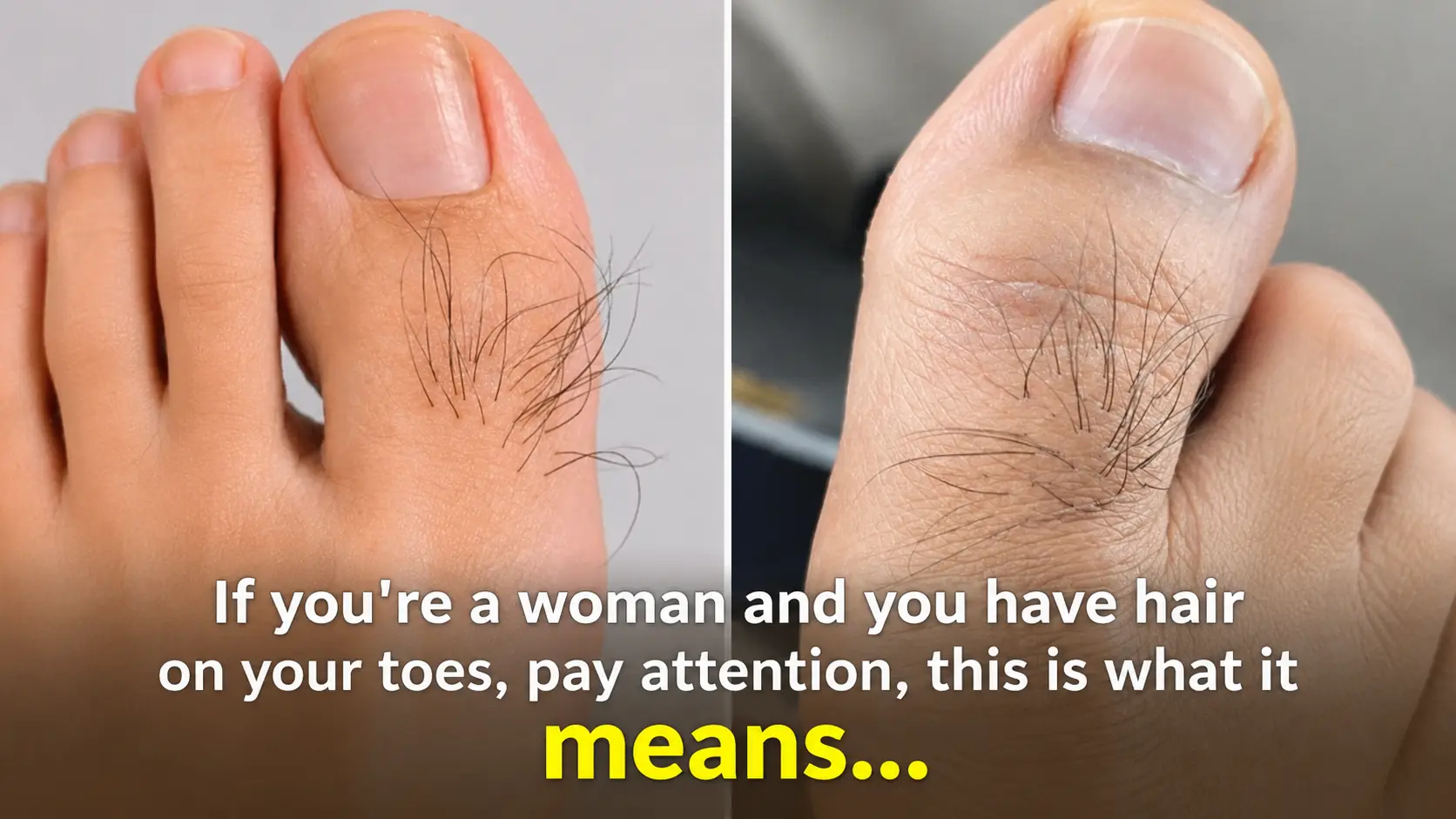
Hair growth is different for everyone. Some people naturally have thick, visible hair on their toes, while others have very little. However, if you notice that hair which previously grew normally is suddenly disappearing or becoming noticeably thinner, it may be worth paying attention to your health.
In certain situations, reduced hair growth can be associated with poor blood circulation. This becomes particularly important when other symptoms appear at the same time, including unusually cold feet, changes in skin color, wounds that heal slowly, or discomfort in the legs while walking.
These changes may sometimes be associated with peripheral arterial disease (PAD), a condition in which narrowed arteries restrict blood flow to the legs and feet.
Why Does Hair Grow on Our Toes?
Hair follicles naturally exist in many areas of the human body, including the toes. The amount and appearance of toe hair vary considerably between individuals.
Some people have dark, thick hair that is easy to notice, while others have extremely fine and light-colored hair that is barely visible.
Genetics, hormones, age, and individual physical characteristics all influence hair growth. Therefore, there is no fixed amount of toe hair that every woman or man should have.
When Should You Pay Attention?
The most important thing is noticing changes in your usual hair growth pattern. If toe hair begins disappearing or growing much more slowly, particularly alongside other unusual symptoms, circulation problems may need to be investigated.
Possible warning signs include:
Feet that frequently feel unusually cold.
Changes in the color of the toes or surrounding skin.
Cuts and wounds that take longer to heal.
Toenails that appear to grow more slowly.
Leg pain or cramping during walking that improves with rest.
These symptoms can occur with PAD, although they may also have other causes.
Why Early Recognition Matters
Peripheral arterial disease can reduce the supply of oxygen-rich blood reaching the lower limbs. If left untreated, severe cases may lead to serious complications, including wounds that fail to heal and tissue damage.
Anyone experiencing unexplained changes in toe hair alongside circulation-related symptoms should consider seeking medical advice. A healthcare professional can examine blood flow and recommend appropriate testing.
Remember: Having naturally little or no hair on your toes is not necessarily a health concern. What deserves attention is a sudden change accompanied by other unusual symptoms.