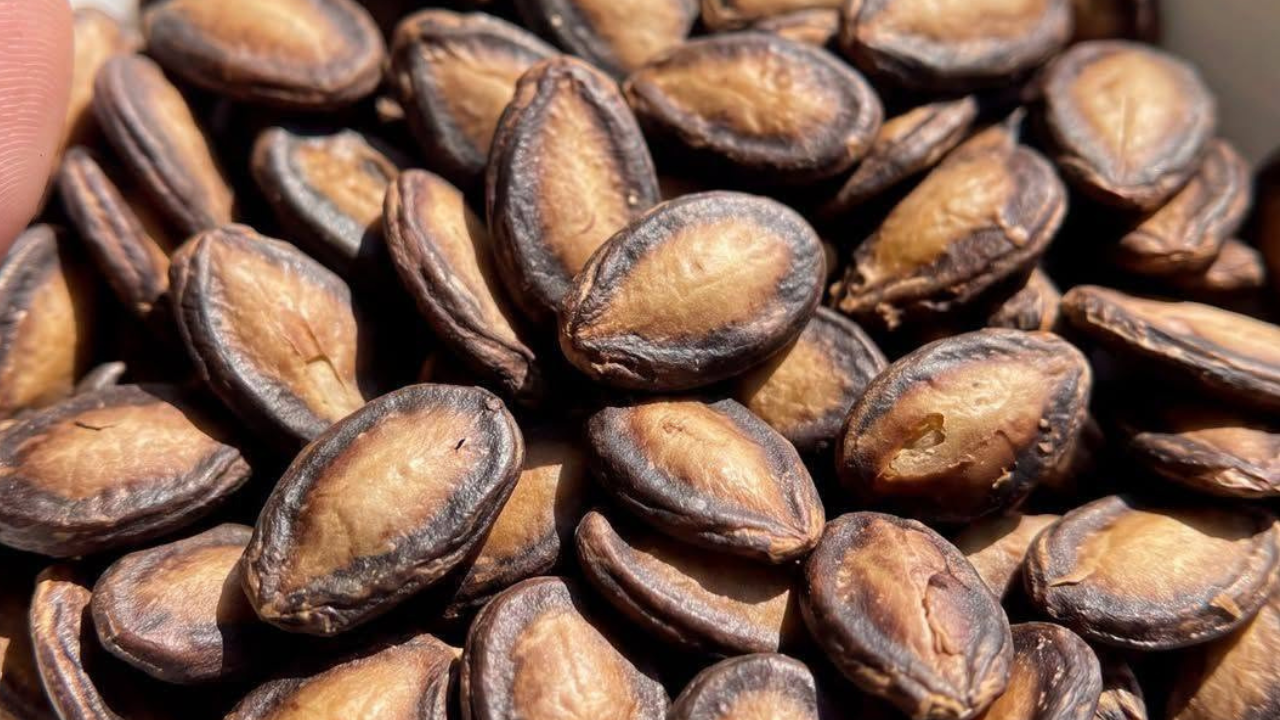
Watermelon is famous for its sweet, juicy fruit, but its seeds are often discarded without a second thought. In many parts of the world, however, watermelon seeds are roasted and enjoyed as a crunchy snack. They also contain several nutrients that can be part of a healthy, balanced diet.
Watermelon seeds provide plant-based protein, healthy fats, magnesium, iron, zinc and other minerals. These nutrients support important functions in the body, including energy production, muscle activity, immune function and the maintenance of healthy tissues.
Their magnesium content is especially noteworthy. Magnesium helps support normal nerve and muscle function and is involved in many essential processes throughout the body. Zinc is another valuable mineral that contributes to normal immune function and healthy cellular processes.
Watermelon seeds also contain antioxidants and other naturally occurring plant compounds. Antioxidants help protect cells from oxidative stress. This is one reason diets that include a variety of nuts, seeds, fruits, vegetables and other minimally processed foods are generally associated with better overall nutrition.
However, some claims circulating on social media go much further, suggesting that watermelon seeds can destroy cancer cells or prevent blindness. There is not enough evidence to support these claims. Eating watermelon seeds cannot eliminate cancer, replace medical treatment or restore damaged eyesight. Cancer prevention and treatment involve many factors, and anyone diagnosed with cancer should follow the advice and treatment plan provided by their healthcare professionals.
The same principle applies to eye health. Nutrients including zinc, vitamins A, C and E, and certain carotenoids are important for normal vision and eye function. However, no individual food or seed can guarantee perfect eyesight or reverse conditions such as cataracts, glaucoma or macular degeneration.
See more on the next page
One simple way to enjoy watermelon seeds is by roasting them. First, rinse the seeds thoroughly and let them dry. Spread them evenly on a baking tray, lightly coat them with a small amount of olive oil, and roast them at around 160–180°C until they become crisp and lightly toasted. You can add a little salt, paprika, garlic powder or another seasoning afterward.
Roasted watermelon seeds make a crunchy snack on their own, but they can also be sprinkled over salads, soups, yogurt, oatmeal or grain bowls. Since seeds are relatively high in calories, a small handful is usually enough to add nutrients without consuming too many calories.
For those trying to manage their weight, choosing nutrient-dense foods such as seeds, nuts, fruits, vegetables and plain yogurt instead of highly processed snacks can be a useful approach. However, watermelon seeds are not a fat-burning food or weight-loss treatment and should simply be included as part of an appropriate overall diet.
Anyone with a known seed allergy should avoid watermelon seeds. People with specific health conditions, dietary restrictions or nutritional requirements should also consider their individual needs before making significant changes to their diet.
Watermelon seeds are therefore much more than something that needs to be thrown away.
They can provide protein, healthy fats, magnesium, iron, zinc and other nutrients when included as part of a varied diet. Their nutritional profile makes them a worthwhile food to consider, but they should be viewed as a nutritious addition to meals—not as a miracle cure for cancer, blindness or other serious medical conditions.