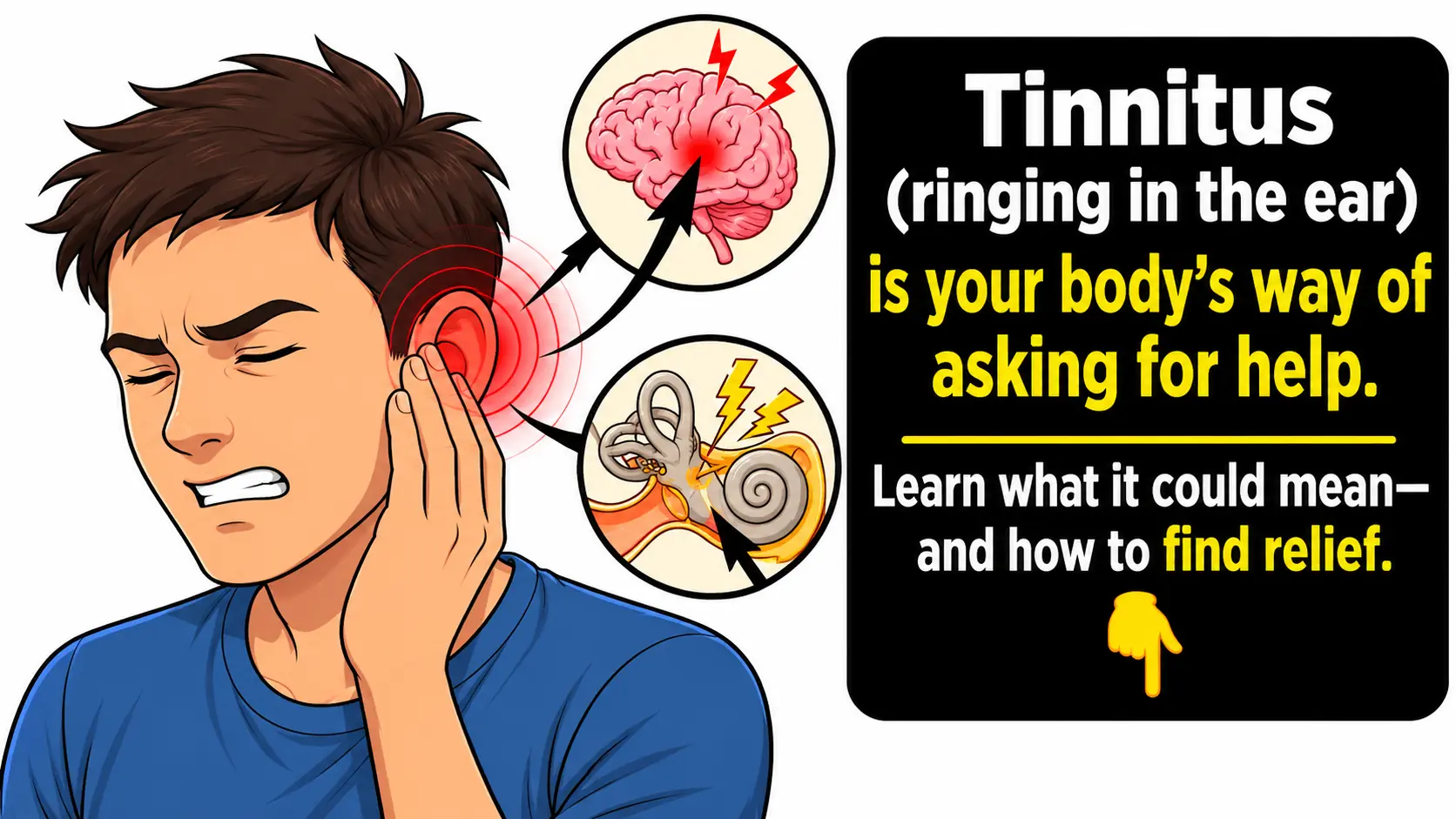
Have you ever noticed a strange ringing, buzzing, whistling, or humming sound in your ears when everything around you is completely quiet? This experience is known as tinnitus. It occurs when a person hears sounds that do not come from an actual source in their surroundings. The noise may seem to come from one ear, both ears, or even somewhere inside the head.
Tinnitus affects people differently. Some individuals experience a very faint ringing that lasts only a few moments, while others hear persistent noises that can become frustrating and difficult to ignore. In more severe cases, these sounds may interfere with sleeping, concentrating, working, or enjoying everyday activities. The symptoms can appear occasionally, disappear for a while, and return later, or remain noticeable for much longer periods.
Although tinnitus can be uncomfortable, it is important to understand that it is not a disease itself. Rather, it is often a symptom associated with another problem involving the hearing system. These problems may affect the delicate structures of the inner ear, the auditory nerve, or the way the brain receives and interprets sound information.
One of the most frequent reasons behind tinnitus is hearing loss. This can happen gradually as people grow older, but it may also develop after repeated exposure to loud noises. When the sensitive structures responsible for hearing become damaged, the brain may respond by producing sounds that seem to have no external explanation.
Loud noise exposure is another important factor that should not be overlooked. Attending concerts, listening to music through headphones at excessive volumes, or working in noisy environments without proper ear protection can increase the risk of hearing-related problems. Even one extremely loud experience may cause temporary ringing that continues after the noise has disappeared.
Recognizing these symptoms and understanding their possible causes is an important step toward protecting your hearing. If ringing develops suddenly, affects only one ear, occurs with dizziness or hearing loss, or becomes persistent, seeking medical advice is important. A hearing specialist can help identify the underlying cause and recommend appropriate treatment.